
Short Answer
In the arid expanse of a world reshaped by climate volatility, where droughts scorch the earth and erratic rainfall mocks the rhythm of seasons, a silent revolution is unfolding. It is not one of towering steel or synthetic marvels, but of humble, spiny survivors—cacti. These botanical titans, often dismissed as mere desert curiosities, are emerging as unsung heroes in the quest for climate-resilient agriculture. Their unassuming presence belies a complex tapestry of resilience, innovation, and ecological harmony, offering a blueprint for a future where food security thrives against the odds. This is not just a story of survival; it is a testament to nature’s ingenuity and humanity’s capacity to learn from it.
The Unyielding Guardians of Arid Lands
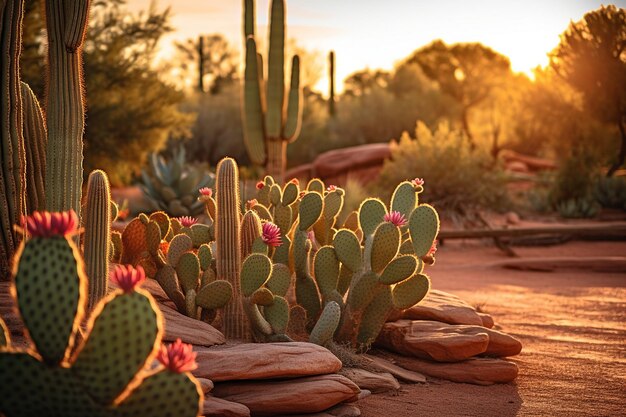
Cacti are the quintessential survivors of the plant kingdom, their very anatomy a masterclass in adaptation. With their thick, waxy skins and pleated surfaces, they minimize water loss with a precision that would make a desert engineer envious. Their spines, often mistaken for mere adornments, serve a dual purpose: deterring herbivores and casting delicate shadows that cool the plant’s surface. But it is their roots—shallow yet sprawling, like the fingers of a seasoned artisan—that truly set them apart. These roots, capable of absorbing even the faintest hint of moisture from the air or the soil, ensure that cacti can endure prolonged dry spells without so much as a whisper of distress.
What makes cacti particularly compelling is their ability to thrive in soils that would cripple most crops. Saline, nutrient-poor, and parched, these lands are often written off as wastelands. Yet, cacti flourish here, their presence a defiant counterpoint to the narrative of scarcity. Their resilience is not just a biological marvel but a strategic asset. As climate change intensifies, turning fertile lands into dust bowls, cacti offer a lifeline—a way to cultivate food where others fail.
The Culinary Renaissance of Cacti
Beyond their ecological prowess, cacti are stepping into the culinary spotlight, their flavors and textures a revelation to palates long accustomed to the monotony of conventional produce. The prickly pear, with its vibrant fruits and tender pads, is no longer a novelty but a staple in kitchens from Mexico to the Mediterranean. Its sweet, slightly tangy flesh is a burst of sunshine in a world where flavor is often sacrificed for yield. Meanwhile, the dragon fruit, with its jewel-like flesh and subtle crunch, is redefining desserts and smoothies, its exotic allure masking a hardy nature that thrives in the face of adversity.
But the culinary potential of cacti extends far beyond the familiar. The young shoots of the cholla cactus, once a survival food for indigenous communities, are now being explored as a gourmet ingredient, their asparagus-like texture a canvas for culinary creativity. Even the seeds, once discarded, are being pressed into service as a nutrient-dense oil, rich in omega-3s and antioxidants. This culinary renaissance is not just about taste; it is about reimagining food systems, where resilience and flavor coexist in perfect harmony.
Cacti as Agents of Soil Reclamation
The story of cacti in climate-resilient agriculture is not confined to their direct cultivation. These botanical powerhouses are also agents of soil reclamation, their presence a catalyst for ecological restoration. In degraded lands, where erosion and salinity have left the earth barren, cacti act as pioneers, their roots binding the soil and their canopies providing shade that cools the ground and encourages the return of other plant species. Their ability to sequester carbon, even in the harshest conditions, makes them allies in the fight against climate change, their green bodies a stark contrast to the carbon-spewing machinery of industrial agriculture.
Consider the nopal cactus, a stalwart of Mexican landscapes. Its dense, fibrous roots create a network that traps moisture and organic matter, slowly rebuilding the soil’s fertility. As it grows, it invites a symphony of life—microbes, insects, and even small mammals—to return to the land. This is not just agriculture; it is ecological alchemy, where a single plant can transform a wasteland into a thriving ecosystem. The implications are profound: if cacti can reclaim the desert, could they not also reclaim the narrative of what it means to farm in a changing climate?
The Economic Empowerment of Cactus Farming
The rise of cacti in agriculture is not merely an ecological triumph but an economic one. In regions where traditional crops falter under the weight of climate stress, cacti offer a lifeline—a way to generate income where none seemed possible. The global market for cactus-based products is burgeoning, from food and cosmetics to biofuels and pharmaceuticals. In Mexico alone, the nopal industry supports thousands of smallholder farmers, their livelihoods secured by a crop that asks for little and gives much in return.
But the economic potential of cacti extends beyond direct sales. Their low water requirements make them ideal for marginal lands, reducing the need for expensive irrigation systems. Their ability to grow in polyculture systems, interspersed with other crops, maximizes land use efficiency and diversifies income streams. For women farmers, who often bear the brunt of climate-induced poverty, cacti represent an opportunity to break free from the shackles of monoculture and embrace a future where resilience and prosperity go hand in hand.
Challenges and the Path Forward
Of course, the path to widespread adoption of cacti in agriculture is not without its hurdles. Misconceptions abound—cacti are often seen as weeds or, at best, niche crops with limited appeal. Education is key, not just in teaching farmers how to cultivate these plants but in reshaping the cultural narrative around them. Research is another critical frontier, as scientists work to unlock the full potential of cacti, from breeding drought-resistant varieties to developing new products that can compete in global markets.
There are also logistical challenges. The spines of cacti, while a marvel of evolution, pose a barrier to mechanized harvesting. Solutions are emerging—from mechanical de-spining to the development of spineless varieties—but the journey is far from over. And then there is the question of market access. For smallholder farmers, breaking into global supply chains is a daunting task, one that requires investment in infrastructure, certification, and marketing. Yet, these challenges are not insurmountable. With the right support, cacti could become the cornerstone of a new agricultural paradigm, one that is inclusive, sustainable, and resilient.
A Call to Reimagine Agriculture
The story of cacti in climate-resilient agriculture is, at its core, a story of hope. It is a reminder that solutions to the most pressing challenges of our time often lie not in the lab or the boardroom, but in the natural world, waiting to be discovered. Cacti challenge us to rethink our relationship with the land, to embrace diversity, and to celebrate the unconventional. They ask us to see beauty in the thorny, sustenance in the spiny, and resilience in the unexpected.
As the climate crisis deepens, the need for innovative, sustainable agriculture has never been more urgent. Cacti offer a path forward, but they are not a panacea. They are one piece of a larger puzzle, a testament to the power of nature’s ingenuity. The challenge now is to listen, to learn, and to act—before the deserts of the world become the only places where food can grow. The future of agriculture may well be prickly, but it is also promising.
FAQ
How do cacti contribute to climate-resilient agriculture?
Cacti thrive in arid conditions and can grow in nutrient-poor soils, making them ideal for climate-resilient agriculture. They also help with soil reclamation and sequester carbon.
What are some culinary uses for cacti?
Cacti, such as prickly pear and cholla, are used in various cuisines for their unique flavors and textures, contributing to a culinary renaissance.



Leave a Reply