
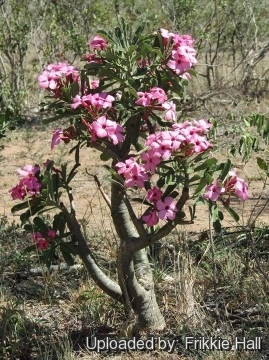
Short Answer
Adenium Swazicum, commonly known for its striking beauty and unique morphology, can sometimes present challenges for even the most seasoned succulent enthusiasts. One particularly perplexing issue is the phenomenon of leaf drop during the growing season. What might be causing these otherwise healthy leaves to succumb to gravity? Let’s delve into the factors at play and explore effective solutions to nurture your Adenium Swazicum back to its prime.
As you navigate this enchanting journey of discovery, keep in mind the importance of providing optimal conditions for your cherished succulent. Understanding the underlying reasons for leaf drop will not only illuminate potential issues but also fortify your relationship with this stunning plant.
With that said, let’s dissect the possible culprits behind your Adenium Swazicum’s leaf falling. Each cause serves as a critical puzzle piece in the broader picture of its health.
Initial Considerations: The Importance of Ideal Growing Conditions
Creating the right environment is essential for your Adenium Swazicum to thrive. It is important to consider light, temperature, soil composition, and watering practices. A sudden change in any of these factors could stress the plant, prompting leaf fall as a protective mechanism.
Light Requirements
Adenium Swazicum requires bright, indirect light to photosynthesize effectively. Insufficient light can lead to weak growth and excessive leaf drop. If your plant is not receiving enough sunlight, consider relocating it to a brighter area.
Conversely, too much direct sunlight can scorch the leaves, causing them to yellow and eventually drop. Striking a balance is critical. The ideal setup mimics their natural habitat, where filtered sunlight fosters growth.
Temperature Sensitivities
This succulent hails from warm regions, and it flourishes in temperatures ranging from 70°F to 90°F (21°C to 32°C). Extreme fluctuations, particularly drops below 50°F (10°C), can cause the plant to enter a state of distress, manifesting as leaf drop. If weather conditions in your area are erratic, consider moving your plant indoors during colder months or unforeseen temperature dips.
Humidity Levels
While Adenium Swazicum appreciates well-draining soil, it can still be affected by humidity levels. Too little humidity may lead to desiccation, while excessive moisture can cause root rot, both contributing to leaf drop. Maintaining a consistent humidity level around 30-50% will help create a conducive environment.
Soil Composition: The Foundation of Health
The right soil mix is vital for preventing leaf drop. Adenium Swazicum thrives in well-draining soil that allows for airflow around the roots. A concoction of cactus mix, perlite, and coarse sand can create an excellent medium. If the soil is too compact or retains too much moisture, root rot may ensue, leading to leaf issues.
Watering Practices: The Goldilocks Principle
Adenium Swazicum’s watering needs require a delicate balance. Overwatering often leads to root rot, causing leaves to fall off; conversely, underwatering can stress the plant, pushing it to drop leaves in search of hydration. The “Goldilocks Principle” applies here. Watering should be just right—allow the soil to dry out between watering sessions, generally every two to three weeks, depending on your environment.
Diagnosing Nutritional Deficiencies
Sensitivities to soil nutrients can be another underlying factor contributing to leaf drop in Adenium Swazicum. These plants require a balanced diet of macronutrients and micronutrients to sustain healthy foliage. A deficiency in nitrogen, phosphorus, or potassium could lead to stunted growth and subsequent leaf loss.
Fertilizing with a cactus-specific fertilizer every few weeks can replenish vital nutrients. Consider using a diluted liquid fertilizer to avoid overwhelming the roots with excess nutrients. Observing your plant post-fertilization is crucial; a gradual recovery with new leaf growth indicates positive progress.
Pests and Diseases: Hidden Threats
Sometimes, the enemy is not easily visible. Pests such as aphids and spider mites can sap the vigor of your Adenium Swazicum, even during its growing season. Look for signs of infestation: sticky residue, webbing, or speckled leaves can hint at their presence.
Incorporating preventative measures such as neem oil or insecticidal soap can help ward off these pests before they wreak havoc. Additionally, maintaining proper airflow around the plant can deter these unwanted visitors.
On the flip side, fungal diseases may also infiltrate the plant’s system, especially if overwatering occurs. Ensuring good drainage and air circulation is pivotal in minimizing disease onset. If disease is detected, isolating the affected plant to prevent spread is advised, along with seeking treatment options.
Cultivating Resilience in Your Adenium Swazicum
In summary, the leaf drop phenomenon in your Adenium Swazicum can stem from various factors encompassing environment, care practices, and hidden threats. By creating a harmonious balance of light, temperature, soil conditions, watering, and nutritional support, you can nurture your succulent and boost its resilience.
As you embark on this quest to solve the mystery of fallen leaves, remember that every challenge presents an opportunity for growth. With thoughtful attention and adjusted care techniques, your Adenium Swazicum will flourish, ready to delight you with its illustrious bloom and enduring charm.
FAQ
What causes leaf drop in Adenium Swazicum?
Leaf drop is caused by stress factors including inadequate light, temperature extremes, overwatering or underwatering, poor soil drainage, nutrient deficiencies, and pest infestations.
How can I prevent leaf drop in Adenium Swazicum?
Maintain balanced care by providing appropriate light, stable temperatures, well-draining soil, correct watering practices, proper fertilization, and pest control.
Is overwatering harmful to Adenium Swazicum?
Yes, overwatering can lead to root rot which causes leaf drop and can ultimately kill the plant.
What pests should I watch for on Adenium Swazicum?
Common pests include aphids and spider mites, which may cause leaf damage and drop if not controlled.
Can temperature changes affect Adenium Swazicum leaf health?
Yes, sudden drops below 50°F (10°C) or extreme temperature fluctuations can stress the plant and cause leaves to fall.



Leave a Reply