

Short Answer
Cacti, those resilient denizens of arid landscapes, have garnered a strong affinity among plant enthusiasts and casual gardeners alike. Their unique morphology and intriguing adaptability allow them to thrive in environments where many other plants falter. One of the most pivotal decisions in nurturing cacti is understanding their light preferences—specifically, the distinction between direct and indirect sunlight. This article embarks on a comprehensive exploration of these two types of lighting to discern which one is ultimately best for your spiky companions.
Before delving into the niceties of sun exposure, it’s essential to acknowledge the natural habitat of cacti. Originating from the sun-drenched deserts and arid terrains of the Americas, most cacti have evolved to harness the sun’s energy with remarkable efficiency. However, not every cactus is created equal—there exists considerable variability in light requirements among the diverse array of cactus species.
Understanding the features of both direct and indirect sunlight can illuminate the path toward optimal care for your cacti.
The Allure of Direct Sunlight
Direct sunlight is characterized by unfiltered rays that briskly reach the plant’s surface, typically occurring within a range of 10 to 12 hours daily. For many cacti species, particularly the desert-dwelling ones like the Saguaro and the Echinocactus, exposure to the full spectrum of sunlight is vital for their growth and development.
Sun-Kissed Aesthetics
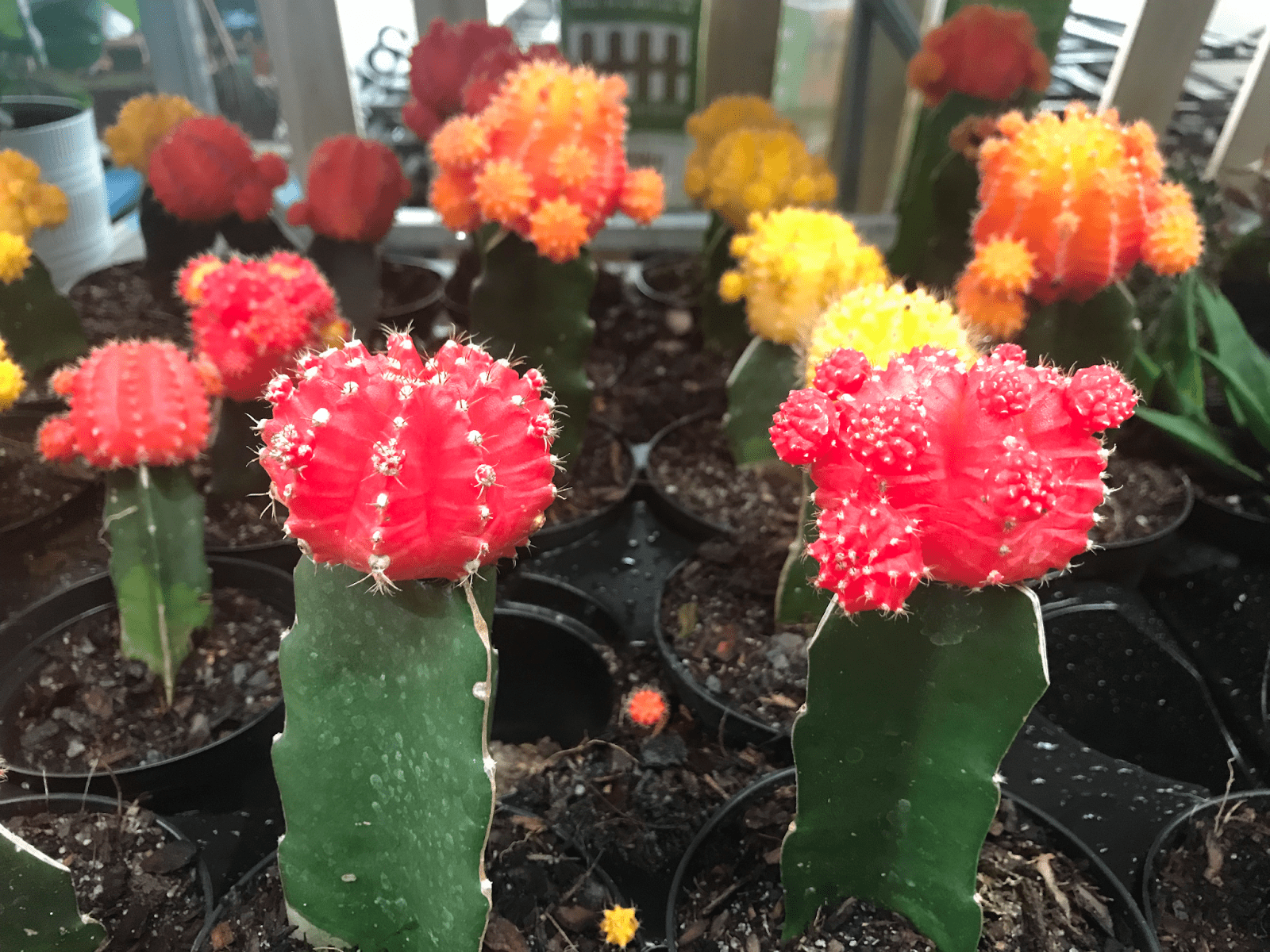
Cacti basking in direct sunlight often exhibit vibrant colorations and striking forms. The intense light can deepen their hues, transforming an ordinary green cactus into an extraordinary work of art. For instance, certain species develop a rosy blush or vivid yellow tones that simply cannot be achieved in low-light settings. Coupled with their unique shapes, this aesthetic can be breathtaking, turning a simple cactus collection into a stunning focal point.
However, it’s crucial to recognize that the very characteristic that defines a cactus—its ability to withstand sun exposure—still requires monitoring. Overexposure can lead to sunburn, manifesting as unsightly brown or white patches on the skin. Generally, only the most robust specimens can endure prolonged periods of direct exposure, helping to reinforce the idea that the type of light must match the specific needs of the species.
The Comfort of Indirect Sunlight
On the flip side, indirect sunlight is softer and filtered, often diffused by structures such as windows, sheer curtains, or other plants. This light simulates the effect of being in the presence of trees or cliffs that may provide some cover from the harsh sun. The allure of indirect sunlight lies in its gentleness; cacti exposed to it tend to thrive in a more moderate environment.
A Sanctuary for Sensitive Species
Some cacti species, such as the Rhipsalis and the Schlumbergera, flourish best under the tender embrace of indirect light. These cacti are not native to the blazing deserts but rather to subtropical regions where they occasionally find themselves nestled in shaded environments. Indirect sunlight allows these more delicate cacti to avoid the risk of scorching, preserving their health and vitality.
Furthermore, display aesthetics can indeed be enhanced with the diffused charm of indirect sunlight. A cactus in indirect light may yield a more subdued, graceful appearance—often manifesting as softer color tones and intricate shadow patterns that dance on the surface of the plant.
Balancing the Light Spectrum
Choosing between direct and indirect sunlight isn’t necessarily black and white. Many cactus enthusiasts find themselves working with several species, each requiring a unique approach to lighting. Understanding the balance becomes paramount in ensuring each plant receives what it requires without compromising the overall health of your collection.
Understanding Your Environment
The environment in which your cacti are placed significantly impacts the light exposure and, consequently, the health of the plants. South-facing windows, for instance, provide maximum direct sunlight, while east-facing windows tend to offer gentler morning light. Uncovering the particularities of your indoor climate allows you to make informed decisions about where to position your cacti.
Moreover, seasonal changes can drastically affect light quality—during winter months, the sun’s angle shifts, leading to reduced intensity. Cacti that thrived in summer’s direct rays may require additional adjustments or supplemental lighting during the colder months.
The Verdict: A Tailored Approach
So, which is best—direct or indirect sunlight? The answer is never definitive; it is nuanced and tailored to the individual needs of each cactus species you host. The vibrancy of direct sunlight may enhance some cacti, while the tranquillity of indirect light may sustain others. In practice, a balanced approach often serves best: a mix of both, with careful observation and adaptability in mind.
While nurturing your cacti, maintain an observant attitude and be prepared to make adjustments. Watch for subtle changes in their posture, color, or growth. Your attention to these details, guided by an understanding of light exposure, will foster a thriving, vibrant cactus collection that stands as a testament to your care and knowledge.
FAQ
What is the main difference between direct and indirect sunlight for cacti?
Direct sunlight consists of unfiltered rays providing intense light, while indirect sunlight is diffused and softer, often filtered through objects like windows or curtains.
Can cacti get sunburned?
Yes, prolonged exposure to intense direct sunlight can cause sunburn, appearing as brown or white patches on cacti.
Which cacti prefer indirect sunlight?
Cacti such as Rhipsalis and Schlumbergera, which originate from subtropical shaded environments, prefer indirect sunlight.
How can I adjust cactus lighting indoors?
Position cacti near south-facing windows for more direct light or east-facing windows for gentler morning light. Use sheer curtains to diffuse sunlight if necessary.

Leave a Reply