
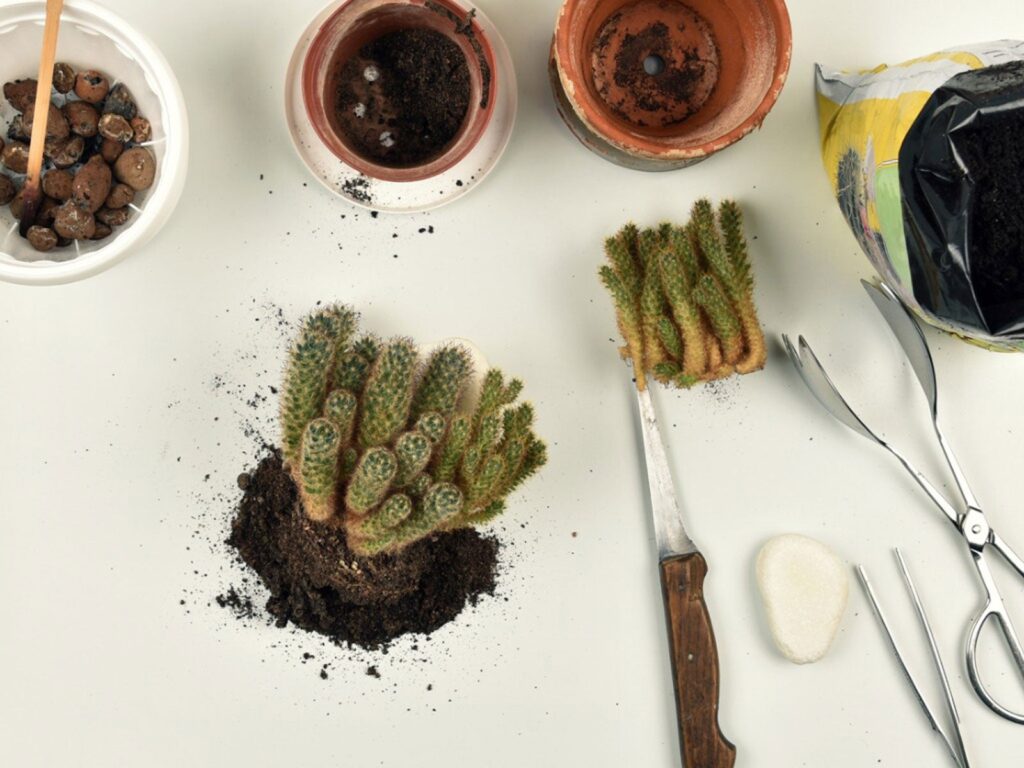
Short Answer
Repotting a cactus may seem like a daunting task, much like navigating a prickly labyrinth, but it is an essential part of cactus care that can rejuvenate these arid wonders. Just as a bird needs the freedom of the sky, a cactus requires room to grow. Understanding the nuances of this process will enhance your horticultural skills and deepen your connection with these resilient plants.
Before we dive into the specifics of repotting, recognize that cacti, with their hardiness and unique adaptations, thrive in environments that mimic their native habitats. Their ability to endure extremes makes them extraordinary companions for any plant enthusiast. Let’s explore the facets of repotting a cactus with care and precision, transforming this ritual into an art form.
Identifying the Right Timing for Repotting
Just as the seasons dictate the rhythm of nature, they also guide when it’s best to repot your cactus. Timing is crucial because it can significantly affect your plant’s health. The ideal period for repotting usually falls in early spring, just as the first hints of warmth awaken the dormant life within the cactus.
Watch for key indicators that suggest your cactus is ready for a new home. A root-bound cactus, where roots emerge through the drainage holes or grow densely around the edges of the pot, signals the need for a larger vessel. Alternatively, if soil is compact with salt or mineral build-up, it’s time to change terrains. Avoid repotting during the winter dormancy, as it can stress your plant and hinder its natural processes.
Choosing the Perfect Vessel: A Sanctuary for Growth
When it comes to selecting a new pot, think of it as choosing the right habitat for a wild animal. Cacti appreciate ample drainage and airflow to their roots, so opt for a container made of clay or terracotta with adequate drainage holes. The pot should be one size larger than the current one—typically, a pot that is 1 or 2 inches wider and deeper than the original is perfect.
Next, consider the soil. Cacti thrive in well-draining soil that replicates their native desert environment. A commercial cactus mix or a homemade blend of potting soil, sand, and perlite will do wonders. Think of it as the perfect recipe that allows your cactus to flourish—crucial for preventing root rot and ensuring healthy growth.
The Art of Extraction: Safely Removing Your Cactus
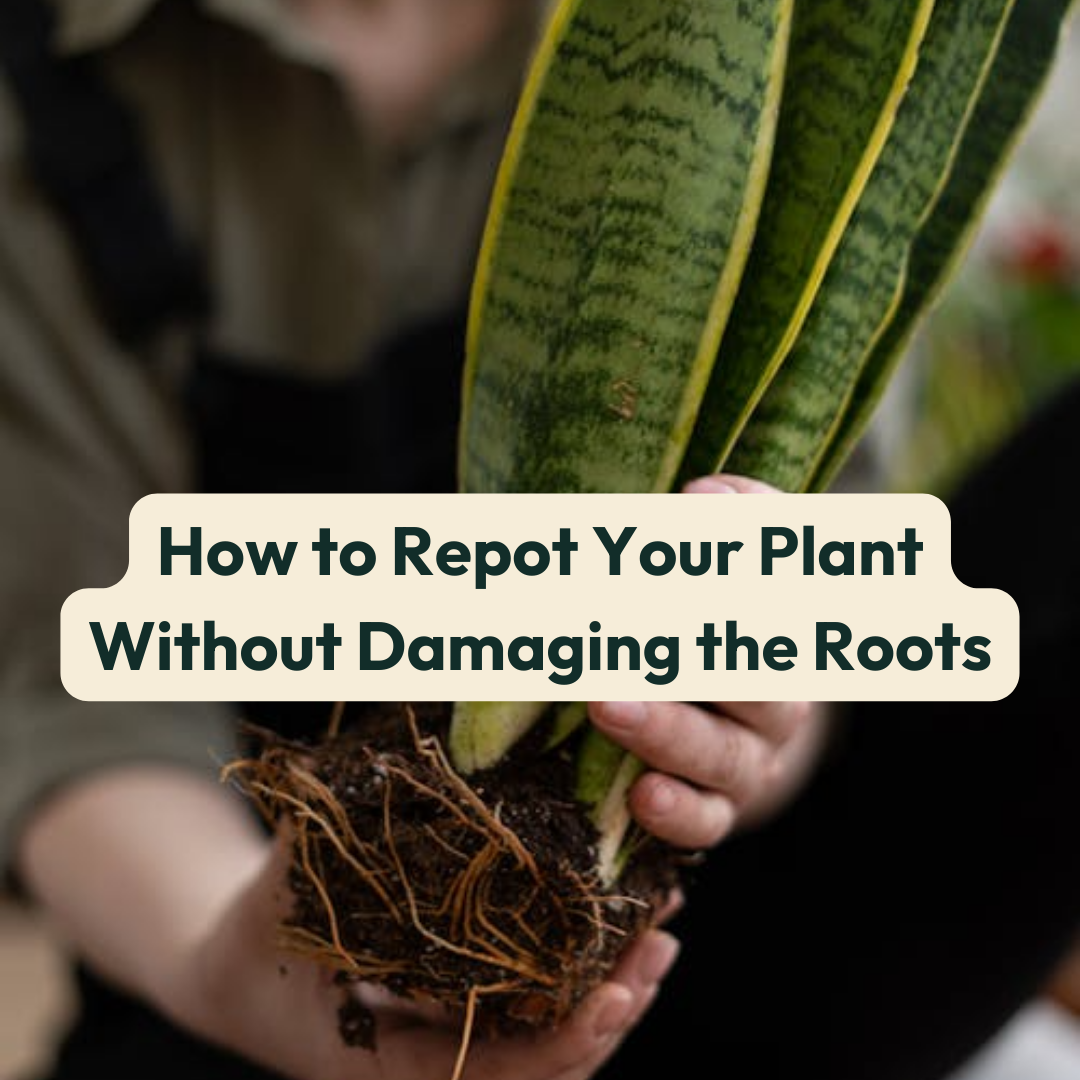
With everything prepped, it’s time to perform the delicate dance of extraction. First, wear protective gloves to safeguard your hands against the cactus’s formidable spines. Gently tilt the pot on its side and tap the container to loosen the root ball. Carefully grasp the base of the cactus—using tongs or a soft cloth can be helpful—and gently wiggle it free. This is a pivotal moment; think of it as a rite of passage from one home to another.
Examine the roots for any signs of rot or damage. Healthy roots should be white or light tan and firm to the touch. Trim away any blackened or mushy portions using sterilized scissors. This careful pruning not only fosters new growth but also ensures your cactus does not carry any infections into its new environment.
Comforting the Cactus: Planting in Its New Pot
Position the cactus upright in the center of the new pot, ensuring it sits at the same depth it was previously planted. Begin filling in around the roots with your chosen soil mixture. While doing this, avoid packing the soil too tightly—think of it as providing a supportive embrace rather than a restrictive hold. Leave space at the top for watering, understanding that this new habitat needs a little air too.
Once you have planted your cactus, give it a gentle tap to settle the soil without disturbing the roots. At this stage, you may want to wait a few days before watering to allow the roots to acclimate and heal any minor wounds from the transplanting process. This prudent waiting period mimics the natural recovery process in the wild, where resilience thrives.
Post-Repotting Care: Nurturing New Beginnings
After repotting, your cactus will require some tender love and care to ensure it thrives in its new environment. Place your cactus in a location with bright, indirect sunlight—too much direct sunlight can stress the plant further, especially after the shock of repotting. Over the next few weeks, monitor its health vigilantly, watching for signs of new growth and vitality.
Overall, repotting a cactus is not just a practical task but a transformative process. Like a traveler finding a new destination, your cactus will flourish in its new surroundings, growing stronger and more resilient. Embrace the experience and cultivate a deeper connection with your cactus as it journey into its bright, sun-drenched future.
FAQ
How do I know if my cactus needs repotting?
Signs include roots growing out of drainage holes, soil compacted with mineral buildup, or the cactus looking root-bound.
Can I repot a cactus during winter?
It is not recommended because cacti are usually dormant in winter and repotting can stress the plant.
What should I do if I find root rot during repotting?
Trim away any blackened or mushy roots with sterilized scissors before repotting to prevent infection.
Is it necessary to use gloves when repotting a cactus?
Yes, gloves protect your hands from the cactus spines and make handling safer.
Leave a Reply