
Short Answer
In the vast, sprawling wilderness of botany, cacti stand as resilient sentinels of the arid landscapes, captivating enthusiasts with their unique adaptations. But have you ever pondered their classification—are they monocots or dicots? This question might seem trivial, yet it beckons a deeper exploration into the complexities of plant taxonomy and the evolutionary relationships that dictate these classifications.
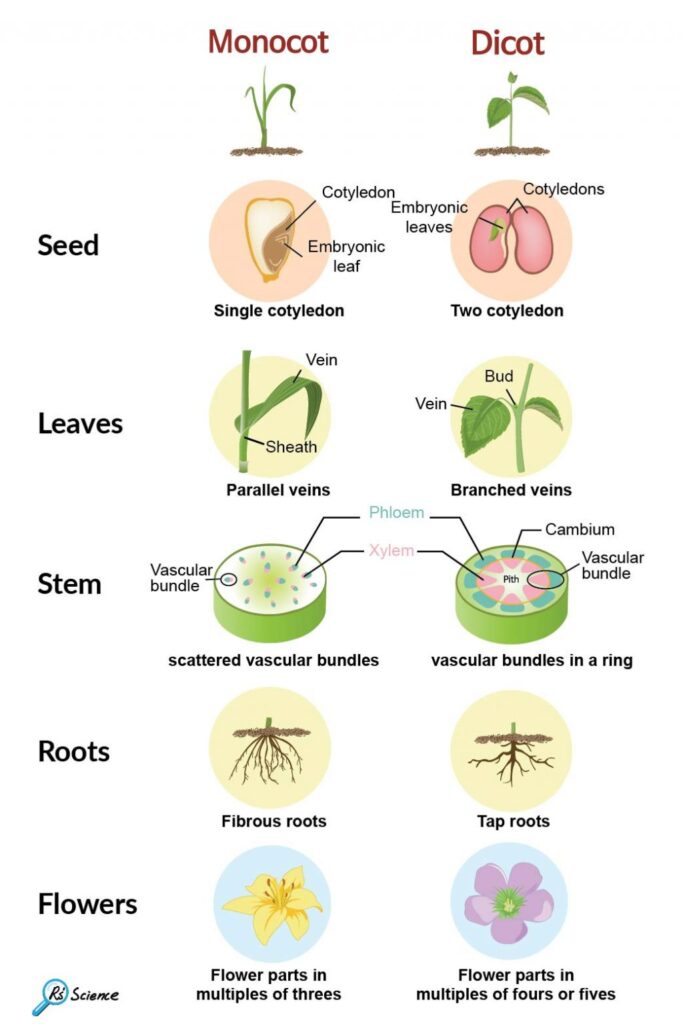
To embark on this journey, one first needs a firm grasp of what monocots and dicots represent in the botanical lexicon. Monocots, characterized by their single cotyledon, parallel leaf venation, and complex flower structures, present a stark contrast to dicots, which boast two cotyledons, net-like leaf venation, and typically more straightforward floral arrangements. Understanding where cacti fit within this dichotomy propels us toward not only an appreciation of their biological characteristics but also their ecological significance.
The answer to the question of cactus classification lies firmly in the classification of dicots. Though these spiny plants may not resemble the typical leafy flora associated with dicots, their phylogenetic lineage definitively aligns them within this group. In exploring the intricate features of cacti, one might revel in the unique adaptations these plants possess, including their distinctive stem morphology and the myriad ways they conserve water.
The vitality of cacti in the ecosystems they inhabit is undeniable. But have you ever considered how these classifications affect the cultivation and care of cacti in horticulture? Understanding whether a plant belongs to the monocot or dicot family can alter how it is grown, its water requirements, and the conditions it thrives under. Do we risk misunderstanding their needs due to the labeling of these organisms, taking them out of context?
To peel back the layers of cactus biology, we must delve into their anatomical structure, each aspect revealing the adaptations that define them as dicots.
Winged Successors: The Anatomy of Cacti
Upon examination, the anatomy of cacti showcases striking features that set them apart from other plants. The stem of a cactus serves not just as a support structure but as a crucial organ for photosynthesis and water storage. Unlike the rigid, woody stems of traditional dicots, cactus stems are often fleshy and swollen. This morphology is an adaptation to their arid environments, allowing them to store and utilize water efficiently during prolonged droughts.
Cacti exhibit reduced or modified leaves that have evolved into spines, an adaptation that minimizes water loss through transpiration and acts as a deterrent against herbivory. These spine structures vary remarkably across the diverse cactus family and can be an essential feature for identification.
Furthermore, they demonstrate a specialized photosynthetic pathway known as Crassulacean Acid Metabolism (CAM). This allows them to open their stomata during the night rather than the day to mitigate water loss—a truly fascinating adaptation within the scope of plant biology.
Branching Out: A Diverse Family of Cacti
Within the dicot classification, cacti belong to the family Cactaceae. This family is characterized by its remarkable diversity. Echinopsis, Saguaro, and Opuntia—each genus manifests variations that serve unique ecological niches. For instance, the Saguaro cactus, an iconic symbol of the southwestern United States, can attain heights of up to 70 feet and live for over 150 years, showcasing an adaptation toward longevity and resilience.
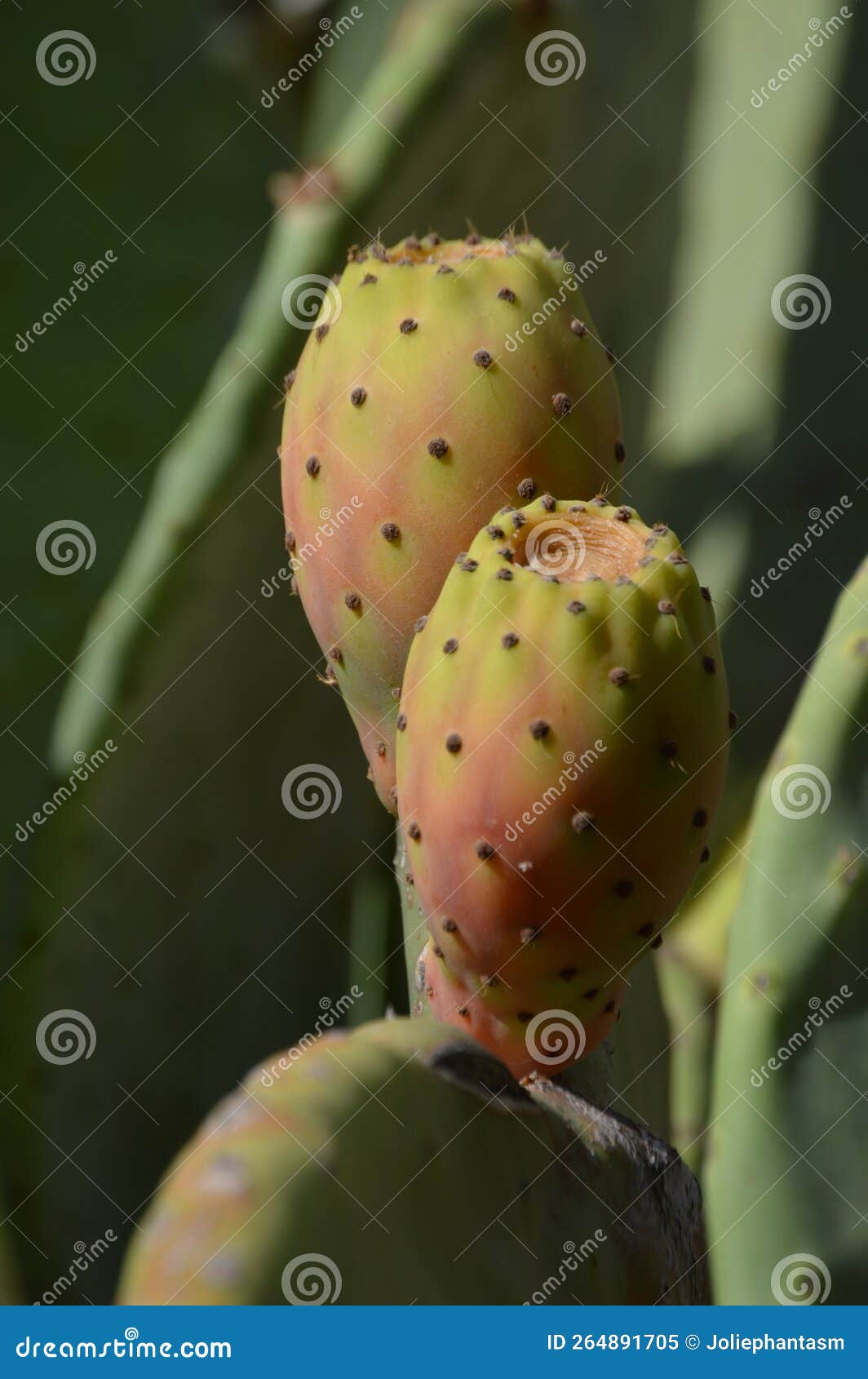
In stark contrast, the Opuntia, or prickly pear, exhibits a different survival strategy. With its flat pads and vibrant flowers, it thrives in dry shrublands and is often used in culinary applications, serving as a testament to both ecological adaptation and human ingenuity. Each of these genera illustrates the fascinating experimentations of nature within a single family of plants.
Ecological Warriors: Cacti’s Role in Their Ecosystems
Cacti play an indispensable role in their ecosystems, providing food and shelter to a variety of wildlife. Birds, mammals, and insects have intricately evolved alongside these plants, relying on them not just for sustenance but for habitat as well. The fruits of certain cacti are not only consumable by animals but also aid in the propagation of the plants through seed dispersal—creating a symbiotic relationship that benefits both parties. Isn’t it remarkable how interconnected life can be in such arid conditions?
Conservation: Thriving Amidst Changing Climates
As climate change continues to alter landscapes worldwide, the conservation of cacti becomes a pressing concern. Their unique adaptations may make them resilient, but habitat destruction poses significant threats. Urbanization, agricultural expansion, and climate shifts challenge their existence. Recognizing the classification of cacti aids conservationists in understanding their biology and, by extension, formulating strategies to protect these geological treasures.
In conclusion, the question of whether cacti are monocots or dicots leads us down a fascinating path of botanical classification. As dicots, cacti exhibit adaptations that facilitate survival in harsh environments, contributing profoundly to their ecosystems. While they may embody elements of intrigue and wonder, the responsibility lies with us to further understand and conserve these remarkable plants. Thus, the playful question remains: as we study their intricate nature, how can we ensure that the story of cacti continues to unfold in harmony with our changing world?
FAQ
Are cacti monocots or dicots?
Cacti are dicots, meaning they have two cotyledons and characteristics typical of dicot plants.
How do cacti conserve water?
They have fleshy stems for water storage, spines that reduce transpiration, and use CAM photosynthesis which opens stomata at night.
What family do cacti belong to?
Cacti belong to the family Cactaceae.
Why is it important to know if cacti are monocots or dicots?
Knowing their classification helps in understanding their biology and proper cultivation techniques.
What threats do cacti face in the wild?
Habitat destruction, urbanization, agricultural expansion, and climate change threaten wild cacti populations.



Leave a Reply