

Short Answer
Misting cactus plants is a topic that garners considerable debate among horticulturists and cactus enthusiasts alike. While some advocate for the practice, insisting it mimics the natural rainfall environment cacti thrive in, others voice concerns regarding its potential drawbacks. This article delves into the pros and cons of misting cactus plants to provide a well-rounded view on whether it is a beneficial practice or a misguided approach to cactus care.
Understanding the natural habitat of cacti is paramount when assessing the practice of misting. Cacti are native to arid regions where humidity levels are typically low, and rainfall is sporadic. Their adaptations, such as thick, fleshy stems and spines, help them retain moisture and reduce water loss. This unique physiology raises an intriguing question: Can misting replicate the environmental conditions to which cacti have adapted, or does it pose risks to their health?
The question of whether to mist cacti often arises from the desire to provide optimal care for these resilient plants. Here, we will explore both sides of this practice, shedding light on its potential benefits as well as its significant drawbacks.
The Benefits of Misting Cacti: Is It Worth It?
One salient argument in favor of misting cacti revolves around humidity. While cacti are accustomed to low humidity, there are instances, particularly with certain species, where additional moisture can be beneficial. Misting can serve to increase humidity temporarily, which may be advantageous for young or recently transplanted cacti that are still acclimating to their new environment.
Studies have shown that during the growing season, a slight uptick in humidity can stimulate growth and enhance respiratory functions in plants. For cacti like the Astrophytum or Echinopsis, which may benefit from extra moisture during particularly dry spells, occasional misting can provide that necessary respite. This delicate balance can encourage flowering and overall vitality, especially when pairs with optimal lighting conditions.
Another potential advantage is the removal of dust. Over time, cacti can accumulate dust and debris on their spiny exteriors, which can obstruct photosynthesis. Misting can serve as a method for cleaning off this layer of grime. By doing so, you may potentially improve light absorption and enhance the plant’s overall health.
Some enthusiasts also argue that misting can help foster beneficial microbes in the soil, potentially improving root health. Added moisture can activate dormant beneficial bacteria that assist in nutrient absorption, creating a healthier growing environment. While this does not apply universally, it does hold potential for certain cacti enthusiasts who are keen on nurturing their plants holistically.
Risks Associated with Misting Cacti: A Word of Caution
Despite the arguments in favor, misting cacti does come with a significant caveat: the risk of rot and fungal infections. Cacti thrive on the edge of survival, reliant on their sparse moisture intake. Excess moisture, whether from misting or overwatering, can lead to a condition known as root rot. This often results in irreversible damage or even fatality for the cactus. It is vital to understand that the susceptibility to rot increases when air circulation is poor, as stagnant dampness encourages fungal growth.
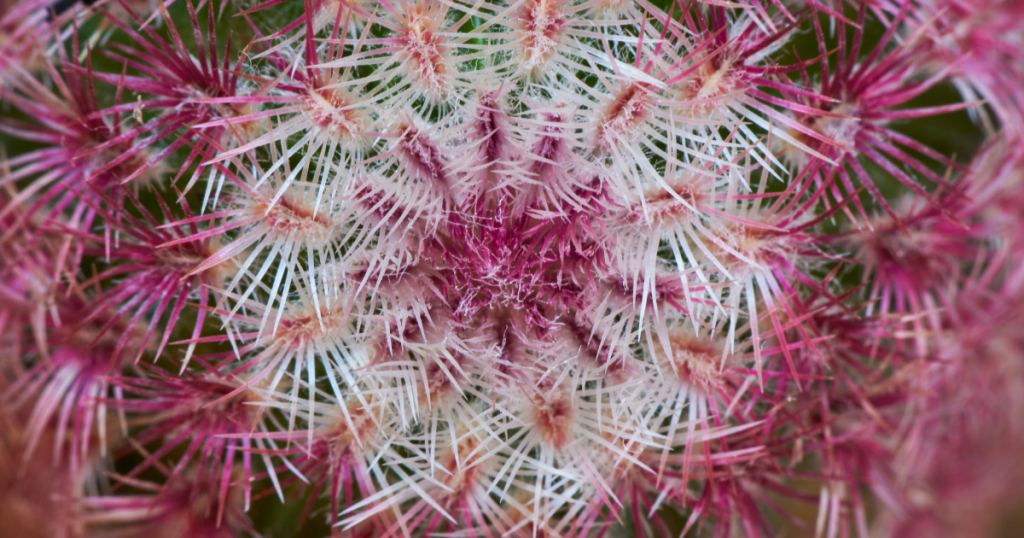
The morphology of certain cacti can exacerbate these risks; for instance, those with dense, hairy spines or pads can trap moisture. Such structures create microenvironments where moisture lingers, which may lead to unexpected consequences such as mold development or pest infestations. This can be particularly troublesome in high-humidity areas or during the rainy season.
Over-misting can disrupt the natural balance that many cacti have spent years achieving. These plants are inherently adapted to dry, arid conditions, and introducing excessive moisture can lead to stress, causing growth to stagnate or even reverse. For many cacti, it is crucial to maintain the balance of dryness in the soil as well as the surrounding atmosphere.
When considering the risks associated with misting, it is essential to take into account specific species requirements. Certain varieties of cacti, such as the resilient Saguaro or the sensitive Opuntia, can respond differently to changes in humidity. Enthusiasts should perform due diligence to understand the needs of their specific cactus types before engaging in any misting practice.
Best Practices for Misting Cacti: How to Moisture Wisely
If you are inclined to mist your cacti, there are key considerations and best practices to keep in mind. First and foremost, misting should always be done in moderation. Rather than a daily or frequent ritual, consider misting once or twice a month.
Timing is also paramount. Early in the morning is the best time to mist; this allows any excess moisture the opportunity to evaporate throughout the day, reducing the risk of rot. Be judicious about the amount of moisture you disperse; a light spray is generally better than a soaking. Pay attention to how your cactus responds, monitoring for signs of distress or rot.
Finally, it is essential to ensure that air circulation around your cacti is optimal. Whether indoors or outdoors, ensuring good airflow can help dissipate moisture and reduce humidity levels, mitigating the risk of disease. Proper placement near a window where air can flow freely can significantly improve the health and resilience of your cactus.
In conclusion, misting cacti is a practice that can yield benefits if done with care, yet it also carries notable risks that should not be overlooked. A nuanced approach is essential, often emphasizing moderation and specificity relative to the cacti species in question. For many, understanding the complexities of plant care will ultimately lead to healthier, more vibrant cacti. Careful observation and adjustments based on environmental conditions can lead to informed decisions that cater to each unique plant. The ultimate goal should always be to nurture these remarkable plants while respecting their innate adaptations to their arid homes.
FAQ
Why do some cacti benefit from misting?
Certain species or young cacti may benefit from occasional misting as it temporarily increases humidity, which can stimulate growth and improve vitality.
What should I watch for after misting my cactus?
Monitor for signs of rot, mold, or pest infestation, and ensure moisture evaporates quickly through good air circulation.
Can misting replace regular watering for cacti?
No, misting should not replace regular watering as it does not provide sufficient soil moisture for most cacti.


Leave a Reply