
Short Answer
Sandy loam soil is a popular choice among gardeners and horticulturists, particularly for those who cultivate cacti and other succulents. Its unique composition and properties provide an excellent growing medium, ensuring robust growth and vibrant health. Understanding what sandy loam is, why it is ideal for cactus growth, and how to manage it properly can significantly enhance your gardening endeavors.
To fully appreciate the significance of sandy loam soil, it is imperative to explore its composition, texture, drainage capabilities, and nutrient content. This article will delve into each of these aspects while also considering optimal care practices for cacti grown in sandy loam.
What Is Sandy Loam Soil?
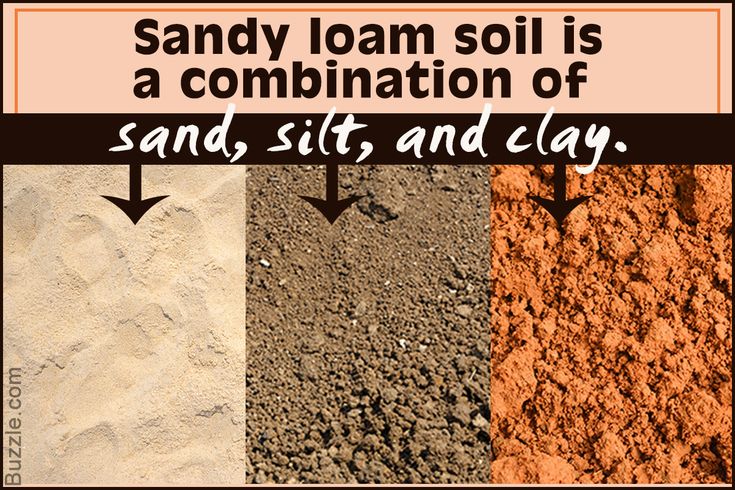
Sandy loam is a hybrid soil type, consisting of a balanced mixture of sand, silt, and clay. This trifecta comes together to form a soil that maintains desirable attributes from each component. Typically, sandy loam contains approximately 60% sand, 30% silt, and 10% clay.
Sand particles are large and allow for excellent aeration and drainage, which are crucial for thriving cactus species. Silt enhances moisture retention and improves nutrient-holding capacity, while clay, although in minor proportions, can provide structure to the soil.
The texture of sandy loam is light and crumbly, making it easy to work with for planting and cultivating. This combination contributes to its status as a versatile growing medium, ideal for various plants, especially those that require well-draining conditions.
Why Is Sandy Loam Ideal for Cactus Growth?
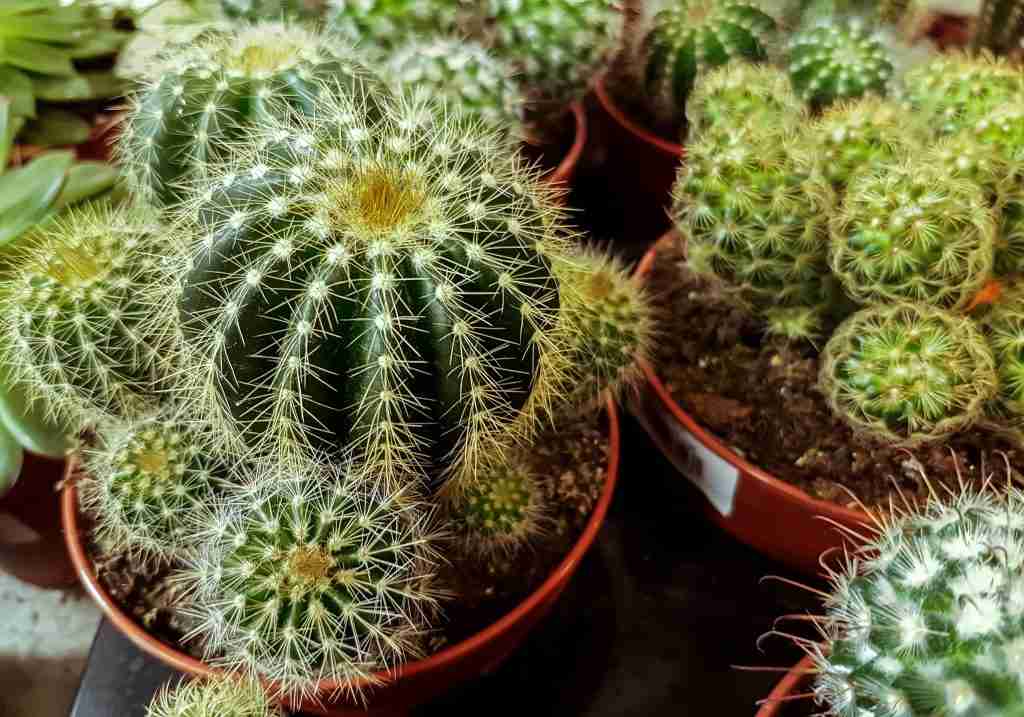
Cacti, being desert-dwelling plants, naturally thrive in environments that offer minimal moisture and abundant drainage. Sandy loam soil provides the perfect habitat for these unique flora, enhancing their growth potential in several key ways.
Exceptional Drainage Properties
One of the primary advantages of sandy loam is its superior drainage capabilities. The large sand particles allow water to flow freely through the soil, which prevents the waterlogging that can suffocate cactus roots. As cacti are adapted to arid conditions, this drainage feature is instrumental in replicating their native habitat, fostering healthy growth.
Additionally, the quick drainage minimizes the chances of root rot, a common issue faced by succulent plants when moisture is trapped in the soil for extended periods. Well-drained environments allow cacti to flourish, promoting root systems that are robust and well-established.
Optimal Aeration
Good aeration is another significant aspect of sandy loam soil. The spaces between sand particles create pockets of air, enabling roots to respire effectively. Cacti roots require oxygen to function optimally; insufficient aeration can lead to a host of complications, including weak growth and susceptibility to diseases. By facilitating proper air circulation, sandy loam nurtures the overall health of cactus plants.
Balanced Moisture Retention
While drainage and aeration are critical, so too is moisture retention. The silt content in sandy loam plays a vital role in achieving this balance. Silt particles are small, which allows them to hold onto water better than sand alone. This property ensures that despite sandy loam’s rapid drainage, there’s still enough moisture available to sustain the needs of cacti during dry spells. As a result, the soil can provide a consistent source of hydration without overwhelming the plant.
Nutrient Availability
Contrary to the misconception that sandy soils are nutrient-poor, sandy loam actually retains a moderate amount of essential nutrients. While cacti do not require excessive fertilization, the presence of essential nutrients such as nitrogen, phosphorus, and potassium in sandy loam allows for optimal growth.
It’s essential, however, to manage nutrient levels effectively. Frequent testing and adjustments can help to achieve a nutrient balance that sustains cactus vitality without leading to overabundance.
Best Practices for Cactus Care in Sandy Loam
Choosing sandy loam is just the first step in cultivating healthy cacti. Proper care and management are necessary to ensure these resilient plants thrive.
Watering Techniques
Understanding the watering needs of cacti is paramount when working with sandy loam. Due to its rapid drainage properties, cacti typically require less frequent watering than other plant types. A good rule of thumb is to allow the soil to dry out completely between waterings. This schedule encourages deep root growth and prevents the complications associated with excessively moist soil.
Fertilization
Moderate fertilization is essential for robust cactus growth. A balanced, diluted fertilizer should be applied during the growing season, typically in the spring and summer months. Avoid heavy feeding in the fall and winter when cacti enter dormancy, as they require significantly fewer nutrients during this period.
Soil Amendments
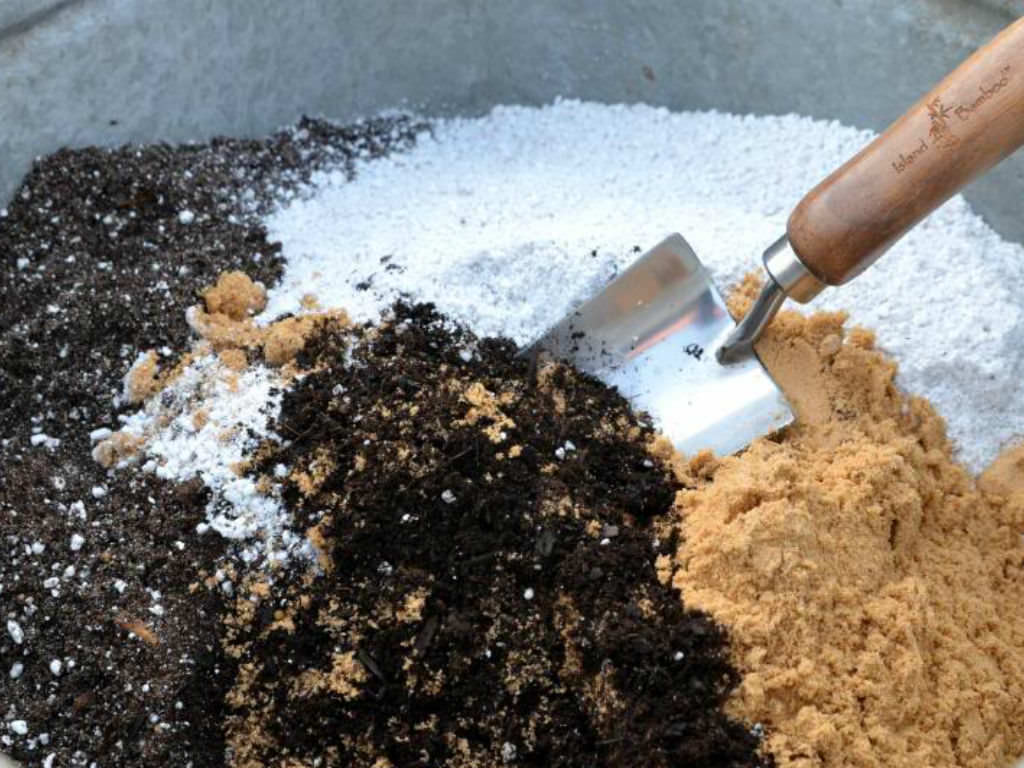
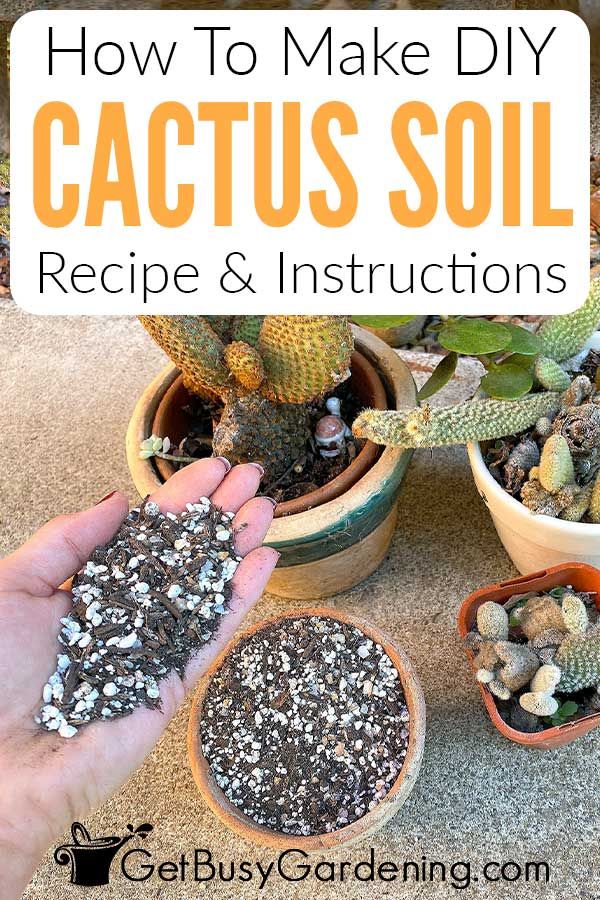
To enhance the properties of sandy loam, consider incorporating materials such as perlite or pumice. These amendments improve aeration further, boost drainage clarity, and provide additional structural support for cactus root systems. Observing the growing conditions will allow you to tailor your soil mix to optimize growth.
In conclusion, sandy loam soil is an exceptional medium for cactus cultivation. Its unique texture, complemented by efficient drainage, aeration, and nutrient retention, creates an environment conducive to robust plant development. By adhering to recommended care practices, you can create a thriving habitat for your cacti while enjoying the beauty and resilience these remarkable plants bring to your garden.
FAQ
What is sandy loam soil?
Sandy loam soil is a balanced soil type made up of sand, silt, and clay, offering good drainage and nutrient retention.
Why do cacti prefer sandy loam soil?
Because it provides excellent drainage and aeration, mimicking their natural arid habitat and preventing root rot.
How should I water cacti planted in sandy loam soil?
Water only when the soil has completely dried out to avoid overwatering and root problems.
Can I improve sandy loam soil for my cacti?
Yes, by adding perlite or pumice to further enhance drainage and aeration.
Leave a Reply