
Short Answer
Arizona stands as a remarkable locale for an extraordinary variety of cactus species, each showcasing unique adaptations that allow them to thrive in the arid desert environment. Understanding the different types of cacti found in Arizona not only enhances appreciation for the flora of the region but also helps inform buyers, landscapers, and hobbyists interested in incorporating these resilient plants into their own environments.
Among the notable characteristics of Arizona’s cacti is their ability to conserve water, engage in photosynthesis with specialized adaptations, and develop intricate relationships with the surrounding ecosystem. This exploration will delve into the iconic species, their habitats, distinctive traits, and roles within their ecosystems. With an eye towards enthusiasts seeking to cultivate these striking plants, we will address essential considerations for care and selection.
Iconic Cacti of Arizona
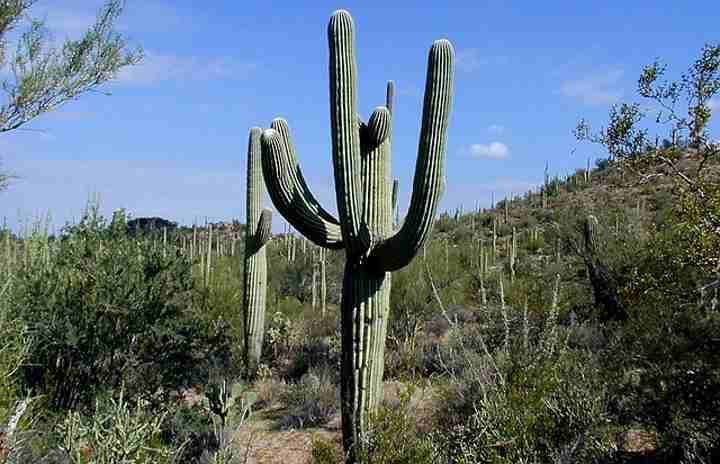
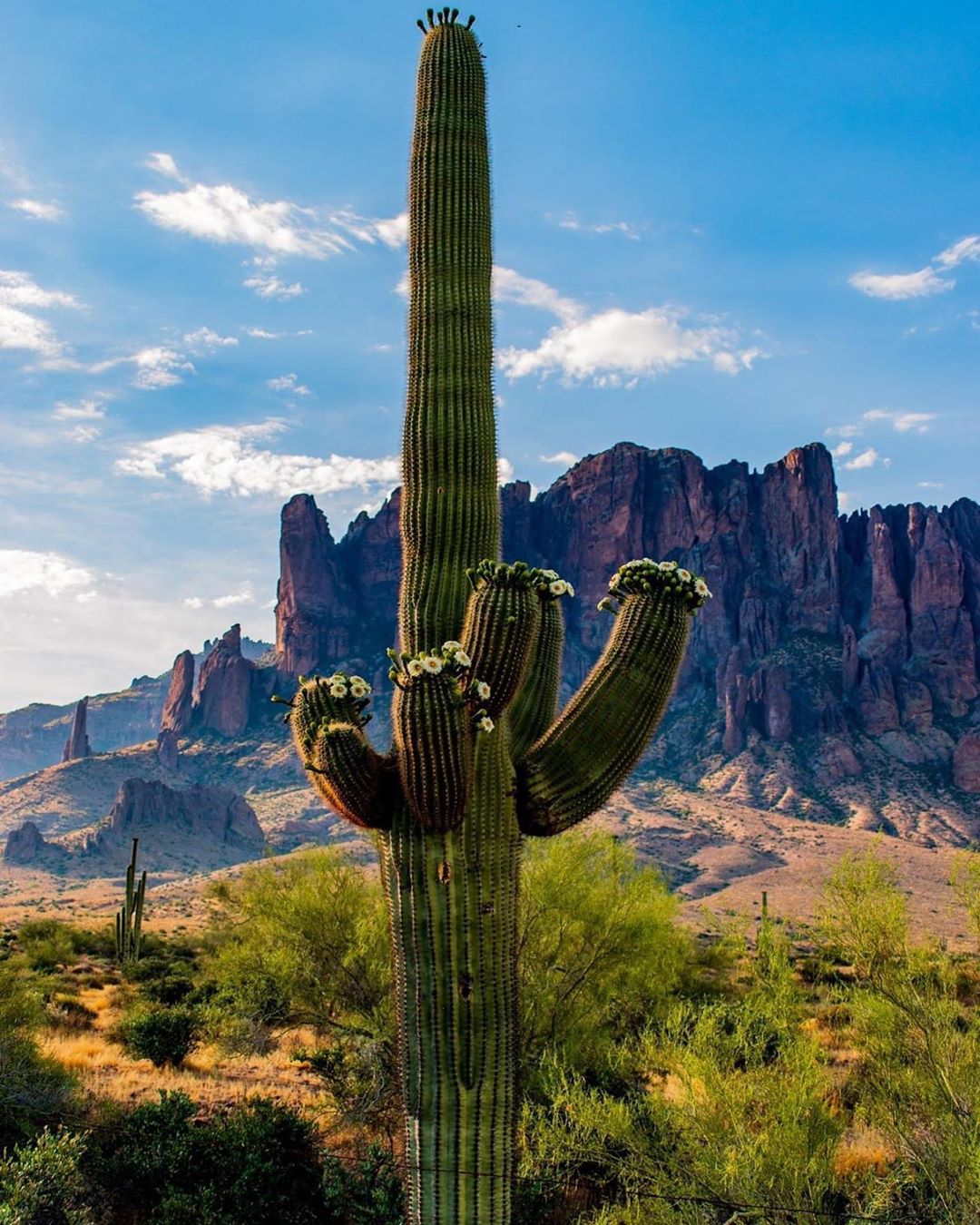
Arizona boasts a remarkable variety of cacti, but some species are particularly emblematic of the region’s landscape. The Saguaro cactus (Carnegiea gigantea) is the most recognizable, reaching towering heights of up to 40 feet and living over 150 years. Its impressive size and iconic arms stretch outwards, creating a nostalgic silhouette against the fiery desert sunsets. Found primarily in the Sonoran Desert, the Saguaro’s white blooms, which appear in late spring, attract pollinators such as bees, bats, and birds, playing a vital role in the ecology of the desert.
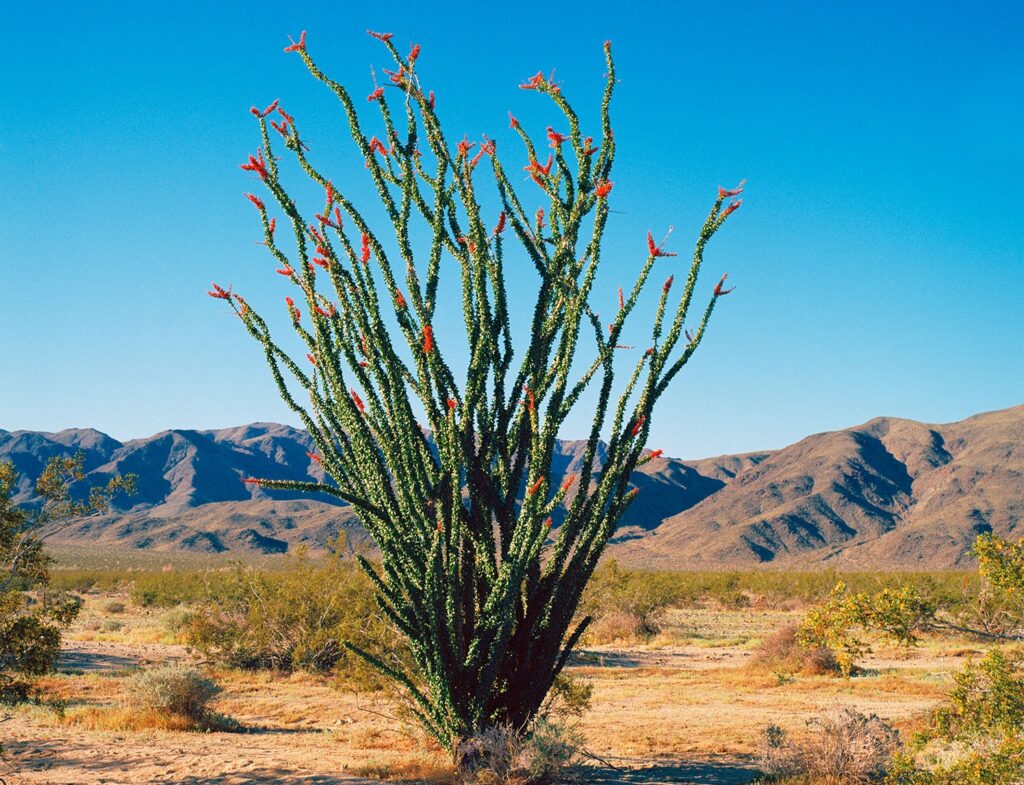
Another unique marvel is the Organ Pipe cactus (Stenocereus thurberi). Typically found in the southern regions of Arizona, its name derives from the multiple arms that resemble organ pipes. Preferring rocky hillside environments, this cactus flourishes in areas where sunlight and drainage are optimal. Its striking nocturnal flowers, which bloom at night, release an intoxicating scent to attract nighttime pollinators, showcasing a beautiful adaptation to the desert’s cyclical rhythms.
The Barrel cactus (Ferocactus spp.) is another captivating specimen that comes in various forms. Generally found throughout the state, it exhibits a round, barrel-like shape, prominently adorned with spines. Known for its resilience in the harsh climate, the Barrel cactus stores water, providing sustenance during droughts. Its fruit is edible and serves as an important food source for wildlife, further embedding it within the desert food web.
Diversity within the Desert
Beyond the iconic varieties, Arizona is rich in diverse cacti species, each contributing distinct features and benefits to the landscape. The Cholla cactus (Cylindropuntia spp.) exemplifies this biodiversity. Found primarily in the southeastern part of the state, Cholla cacti are known for their segmented stems, which can be easily detached and often stick to passersby. This fascinating dispersal mechanism allows the cactus to colonize new areas, ensuring its survival amid the desert’s challenges.
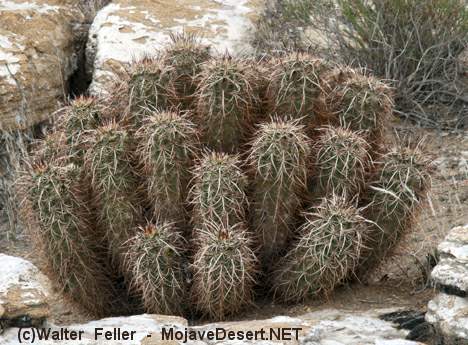
The Fishhook barrel cactus (Ferocactus wislizeni) is a notable species characterized by its hooked spines, which serve both a defensive function and help to collect moisture from rain or dew. Additionally, this cactus produces edible fruit that can be harvested, encapsulating the dual role of Arizona cacti as both ornamental and practical plants.
Exploring the Hedgehog cactus (Echinocereus spp.) provides insight into smaller, more delicate cacti that thrive in Arizona’s deserts. Compact in size, these cacti rival larger species with their stunning flowers that bloom in vibrant shades during the spring months. Their adaptability allows them to grow in a variety of soil types, making them a favorable choice for gardens aiming for diversity.
Care Considerations for Cacti Enthusiasts
For those interested in acquiring these majestic plants, understanding their care needs is essential. When selecting cacti, consider the specific requirements of each species. Saguaro cacti, for example, require ample space for growth, while Barrel cacti can thrive in more confined areas. Regardless of selection, the importance of proper drainage cannot be overstated; overwatering is a common pitfall that leads to root rot.
Soil composition plays a crucial role in cactus health. Utilizing a well-draining cactus mix or creating a blend of sand and potting soil ensures roots remain aerated and healthy. In addition to soil, conscientious watering practices—typically less frequent in the winter months—are vital to mimic the natural cycle of rainfall in their native environments.
The benefits of incorporating Arizona cacti into landscaping extend beyond aesthetics. These plants require minimal maintenance, contribute to water conservation efforts, and foster biodiversity by supporting native wildlife. The establishment of a cactus garden can create a serene oasis amidst the urban desert, enhancing both ecological balance and visual appeal.
Conclusion: Embracing the Cacti of Arizona
Arizona’s cacti embody resilience, beauty, and ecological significance, making them a compelling choice for enthusiasts and landscapers alike. With a plethora of species available, from the towering Saguaro to the intricate Hedgehog cactus, there are numerous options to explore that satisfy both aesthetic desires and practical considerations. By incorporating these remarkable plants into gardens or landscapes, individuals can celebrate the unique flora of the Southwest while contributing to the preservation of its diverse ecosystems.
FAQ
What types of cacti are native to Arizona?
Native cacti include Saguaro, Organ Pipe, Barrel, Cholla, Fishhook Barrel, and Hedgehog cacti among others.
How do I care for a Saguaro cactus in a garden setting?
Provide ample space for growth, ensure well-draining soil, avoid overwatering, and protect from frost.
Are Arizona cacti beneficial to local wildlife?
Yes, they provide food through their fruit and flowers and serve as habitat for various desert animals.
Can I grow Arizona cacti indoors?
Some smaller species like Hedgehog cacti can be grown indoors with sufficient light and proper care.

Leave a Reply