
Short Answer
Potting Soil for Cactus Plants: The Best Soil Mix for Thriving Cactus
In the vast arid landscapes where cacti flourish, they evolve to survive with scarce resources, adapting to the whims of nature’s many challenges. Just as these resilient plants have adapted, so too should we meticulously craft the environment in which they thrive. When it comes to potting soil for cacti, understanding the unique requirements of these delightful succulents is pivotal in fostering their longevity. A suitable soil mix serves as the nurturing embrace that allows cacti to flourish, reminiscent of the sandy desert lands they call home.
Crafting the Perfect Soil Mix: A Love Affair with Texture and Composition
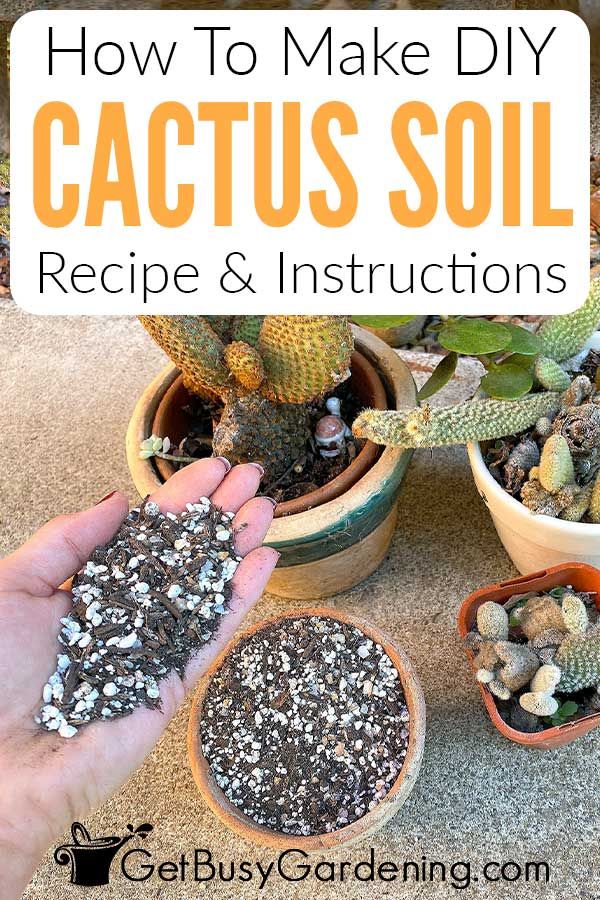
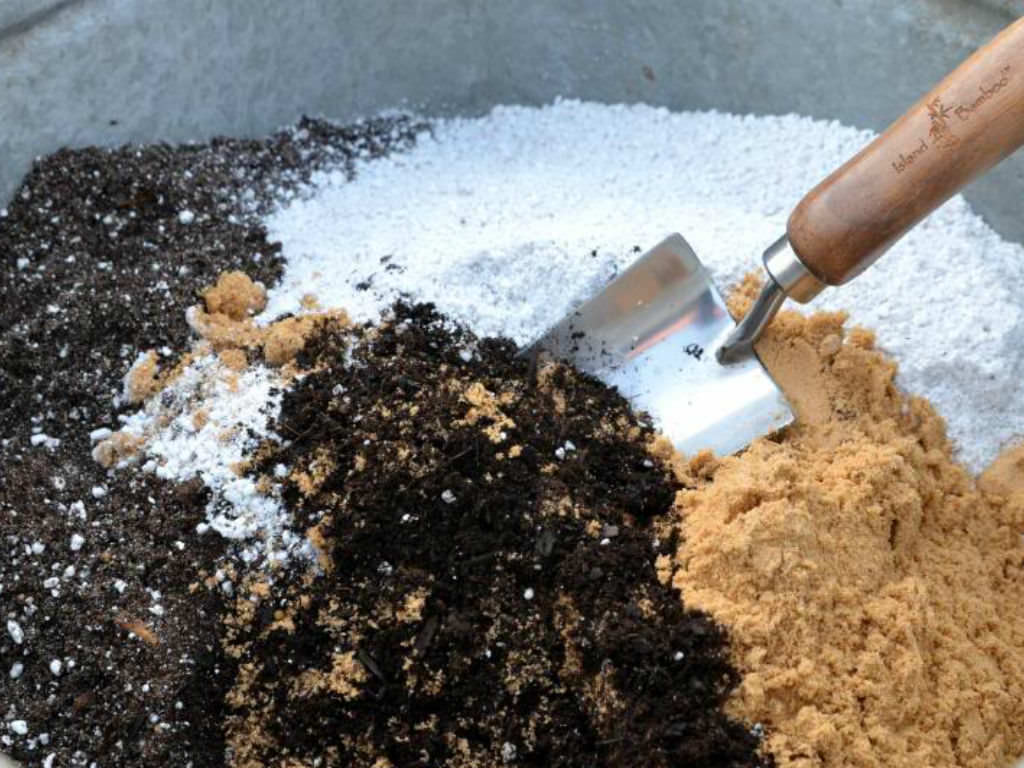
Cacti demand a potting soil mélange that mimics their native habitat while affording adequate drainage and aeration. A standard potting mix, heavy and moisture-retaining, can be detrimental to their health, akin to a drowning sailor floundering in a storm. To craft the perfect mix, one must consider a trio of vital ingredients: mineral grit, organic matter, and an amendment aimed at aeration. Each component plays a crucial role in providing the cactus with the right texture, allowing roots to breathe freely while preventing water logging.
Mineral grit, such as coarse sand or pumice, serves as the groundwork of any cactus potting mix. These materials stabilize the soil structure, providing both drainage and support. Like a finely woven tapestry, the integrated particles allow excess moisture to escape quickly, preventing the dreaded root rot—a common nemesis for cacti enthusiasts. Light and porous, mineral grit ensures that the soil retains just enough moisture without becoming a stagnant pond.
Organic matter, in moderate quantities, can lend nutrients to your cactus. While cacti thrive in nutrient-poor environments, a touch of finely shredded coconut husk or compost can stimulate growth, helping the plant to flourish during its growing season. The organic elements, like gentle whispers of encouragement, can enhance the vitality of cacti without overwhelming them.
This delicate balance of grit and organic material can also be further refined by adding amendments such as perlite or vermiculite. These lightweight components incorporate air pockets into the soil, fostering an environment that is akin to the refreshing breeze found in the desert after a rain—a momentary yet exhilarating reprieve.
Understanding the Climate: How Environmental Factors Influence Soil Choices
The soil for cacti is not a one-size-fits-all concoction; instead, it is a reflection of the climate and conditions where the plants will reside. Cacti belong to diverse families, each with unique growth habits and environmental preferences. The knowledge of outdoor, indoor, or greenhouse growing can influence soil selection. An indoor cactus may require a slightly different mix than one destined for a sunbaked windowsill, echoing the reality that our practices must mirror the plants’ original habitats.
In arid climates, soil can often be coarse and sandy, allowing quick drainage to combat the ever-present threat of decay. For those tending cacti in humid environments, adjusting the soil mix to retain slightly more moisture while ensuring drainage will be critical—an exercise that reflects the adaptability of the cactus itself. The ideal potting soil mix becomes a vibrant conversation between gardener and plant, one that permits the unique characteristics of each cactus to shine.
The Alchemy of Potting Up: Best Practices for Repotting Your Cactus
Creating the ideal potting soil is only part of the equation; the ritual of repotting cacti can be a transformative experience that fosters growth and rejuvenation. When considering repotting, timing is essential. The best time to carry out this practice is during the late winter or early spring when the plant is awakening from dormancy, stirred to life by the warmer temperatures and lengthening days.
When preparing to repot, choose a pot that is slightly larger than the current one—allowing your cactus’s roots space to expand, much like an artist expanding their canvas. With a drainage hole at the bottom, the new container must perform its duty as an outlet for excess water, preventing the soil from becoming overly saturated. While crafting the new soil mixture, gently remove the cactus from its previous pot, being cautious not to damage the delicate root system. This process, much like a gentle hug, fosters a connection—the gardener nurturing the plant with care.
Upon placing the cactus in the new container, fill the remaining space with the freshly mixed soil. Be careful not to bury the plant too deeply; cacti prefer to sit above the soil, honoring their natural inclination to thrive on sun-drenched landscapes. Following repotting, allow a short period before watering— permitting the roots to acclimate, similar to allowing a traveler to rest before hitting the trail again.
Conclusion: The Delicate Dance of Balance
Just as cacti have adapted to thrive in the harshest of environments, an understanding of their potting soil needs ensures that they will not only survive but flourish in our care. By carefully selecting the right amendments, understanding how climate influences growth, and mastering the art of repotting, gardeners can cultivate a thriving cactus that becomes a testament to the resilience and beauty found within these remarkable plants. The allure of cacti lies not only in their stunning silhouettes against a desert sunset but also in the intimate connection formed between the caretaker and the cared-for roots beneath the surface, where the true magic of life resides.
FAQ
What is the best soil mix for cactus plants?
The best soil mix for cactus plants is a well-draining blend that typically includes mineral grit such as coarse sand or pumice, moderate organic matter like shredded coconut husk or compost, and aeration amendments such as perlite or vermiculite.
How often should I repot my cactus?
Cacti should generally be repotted every 2 to 3 years, ideally during late winter or early spring to coincide with their natural growth cycle and dormancy period.
Why is drainage important for cactus soil?
Drainage is crucial because cacti are susceptible to root rot if their roots sit in waterlogged soil. A well-draining soil mix prevents excess moisture retention, allowing roots to breathe and stay healthy.
Can I use regular potting soil for my cactus?
Regular potting soil is usually too dense and moisture-retentive for cacti, which can lead to root rot. It’s important to amend regular soil with mineral grit and aeration materials to mimic a cactus’s natural environment.
How does climate affect the choice of soil for cacti?
In arid climates, a coarser, sandier soil is preferred to ensure quick drainage, while in more humid environments, the soil may retain slightly more moisture but must still drain well to prevent root problems.
Leave a Reply