
Short Answer
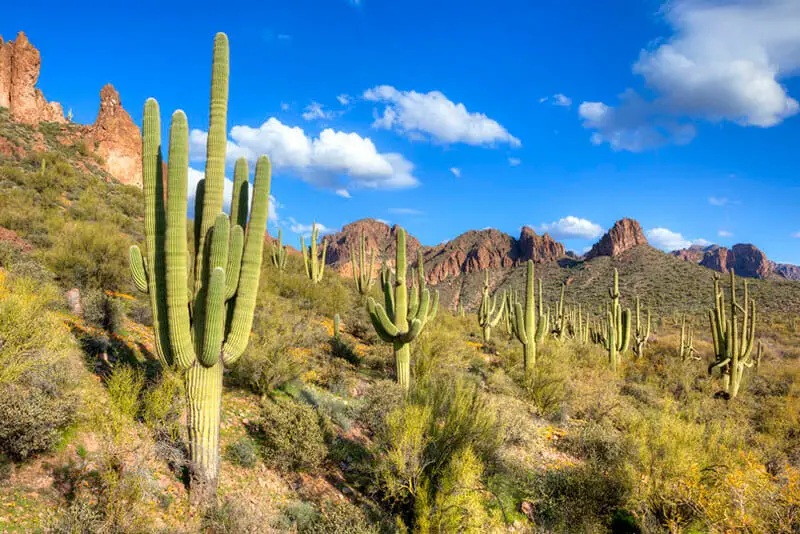
In the arid expanses of deserts, where life seems a tenuous thread, cacti stand resilient. They are not merely robust survivors of inhospitable climates; they are a testament to the diverse and often astonishing reproductive processes of the botanical world. To understand whether cacti have seeds, one must delve into their intricate lifecycle—a saga filled with reproduction, adaptation, and unfurling potential.
Historically, seeds have been nature’s way of ensuring continuity. Like time capsules, they encapsulate the essence of the parent plant. Cacti, with their remarkable adaptations, have an equally mesmerizing method of propagating their species. In understanding the reproductive mechanisms of these unique plants, one uncovers a narrative rich with ecological connection and survival tenacity.
Within the world of cacti, the interplay of flowers and seeds unfolds in rare and captivating splendor. The flowers of many cactus species are more than mere adornments; they represent the culmination of energy spent during the dry spells, waiting for the right moment—the elusive dance between moisture and sunlight. Once triggered by these environmental cues, cacti erupt into vibrant blooms, which are often mesmerizing in form and hue.
Vibrantly colored and richly scented, these flowers serve a dual purpose: to attract pollinators while facilitating reproduction. Pollination is critical for seed production, and many cacti have developed extraordinary adaptations to ensure successful cross-pollination. While some cacti are self-pollinating, producing seeds without assistance, many rely on external agents—bees, birds, and even the wind—to achieve fertilization. This is nature’s version of a grand ball, where the enticement of fragrance and color beckons suitors of the air.
After the act of pollination comes fertilization, where the male gametes unite with the ovules to form seeds. Each seed encased within the mature fruit holds the promise of a new life, ready to burst forth under the right conditions. This reproductive fruiting period is akin to a lullaby of potential, cradling within it the future of its lineage. As the fruits mature and turn vibrant shades of red, yellow, and orange, they serve as a siren call to wildlife, who consume them and unwittingly propagate the seeds through their feces—an extraordinary circle of life that illustrates nature’s interconnectedness.
The seeds themselves are remarkably equipped for survival. Adapted to endure the harshest of conditions, they are often encased in hard shells that can withstand desiccation and predation. Once they are expelled from their parent plant—either through consumption and excretion or as the fruit naturally falls to the ground—they lie in wait. In the midst of barren landscapes, a single droplet of rain can serve as the catalyst for germination, awakening dormant seeds from their long slumber.
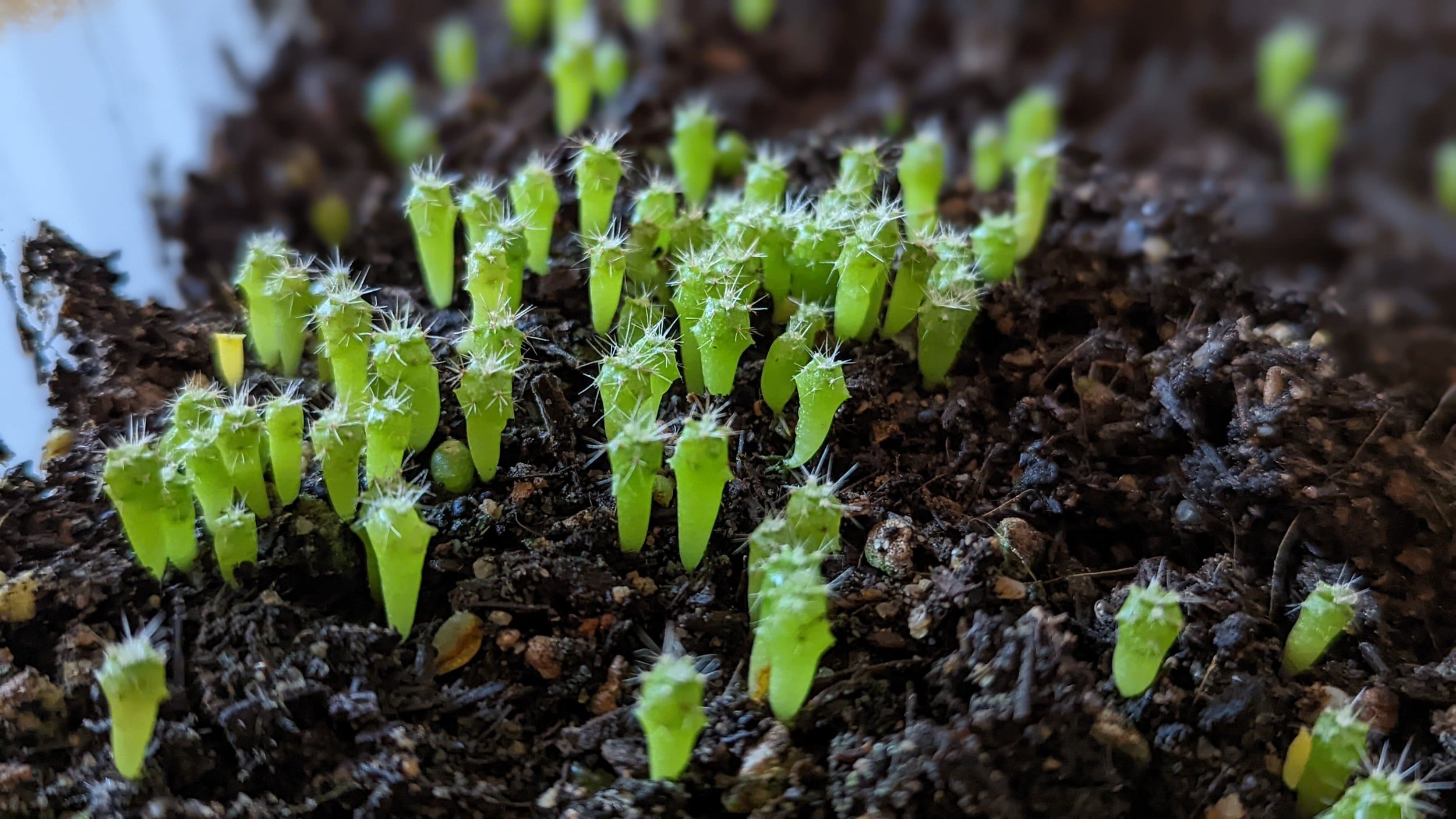
Seedling cacti are, initially, delicate and vulnerable, yet they exhibit botanist William James’s famous notion of “radical empiricism.” They strike out into the world with all the audacity of youthful aspiration, seeking water, light, and nutrients. The seedlings must navigate a treacherous landscape fraught with challenges; competitors for resources loom large, while potential predators—including rodents and birds—eagerly eye their tender forms.
As they grow, cacti exhibit various growth forms—some develop into tall, columnar giants, while others remain low and sprawling. This diversity is not merely aesthetic; each form is an adaptation to specific environmental conditions that enhance survival. The journey from seed to mature cactus is one marked by resilience and adaptability, a microcosm of the grander themes of life’s persistence.
Fascinatingly, some cacti employ a form of asexual reproduction. Known as vegetative propagation, this allows certain species to grow new plants from fragments of themselves. Through this method, a cactus can clone itself, ensuring its genetic material continues even if a portion of it succumbs to environmental forces. This facet of cactus reproduction showcases the plant’s remarkable resilience, a survival mechanism against the harshness of its habitat.
In conclusion, to assert that cacti do have seeds is to merely scratch the surface of a complex and beautifully orchestrated reproductive narrative. From the flourish of their stunning blooms to the painstaking creation of tiny seeds, these plants embody tenacity and resilience. Each seed represents potential—a future oasis in a land of extremes. They are the storytellers of deserts, carrying tales of survival, adaptation, and the ceaseless dance of life enduring against all odds.
In exploring the reproductive processes of cacti, we gain insight not only into their biological marvels but also into the intricate tapestry of life woven through ecosystems. The phenomenon of seed generation in these desert denizens is a definitive testament to nature’s ingenuity and the continuous quest for survival in an unforgiving world.
FAQ
Do all cacti produce seeds?
Most cacti reproduce sexually by producing seeds through flowers, although some can also reproduce asexually.
How do cacti disperse their seeds?
Cacti disperse seeds primarily through animals that eat their fruit and excrete the seeds elsewhere, as well as by natural fruit drop.
Can cacti reproduce without seeds?
Yes, many cacti can reproduce asexually by growing new plants from fragments, a process called vegetative propagation.
What conditions are needed for cactus seeds to germinate?
Cactus seeds typically require moisture, suitable temperature, and sometimes specific environmental cues like rainfall to germinate.


Leave a Reply