
Short Answer
In the diverse realm of botany, cacti stand out as remarkable entities, showcasing a unique adaptation to harsh environments. Among the intriguing facets of these succulents is their reproductive process, particularly their ability to produce seeds. This article delves into whether cacti have seeds and unravels the multifaceted nature of cactus reproduction.
Understanding the reproductive mechanisms of cacti is essential for both cultivation enthusiasts and botanical scholars. Educators and hobbyist gardeners alike often seek clarity on this subject when they encounter questions about propagation and seed viability. By exploring various reproductive strategies, we can address common concerns and equip ourselves with the knowledge necessary to cultivate these resilient plants effectively.
The Basics of Seed Production in Cacti
Cacti reproduce sexually through the production of seeds, but the journey from flower to seed is intricate and fascinating. Most cacti exhibit vibrant flowers that are not merely ornamental; they play a crucial role in reproduction by attracting pollinators, such as bees, butterflies, and hummingbirds. These pollinators facilitate the transfer of pollen, leading to fertilization.
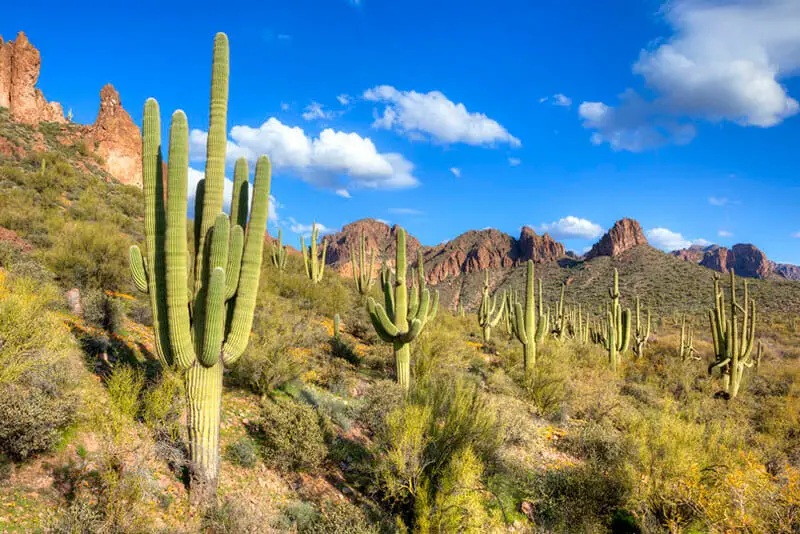
When a cactus flower receives pollen, the ovules within its ovary begin to develop, ultimately resulting in the formation of seeds. Each flower can produce multiple seeds, which varies greatly depending on the species and environmental conditions. For example, the majestic Saguaro cactus can produce thousands of seeds from a single flower, while other species may yield significantly fewer. The genetic diversity among seedlings contributes to the survival and adaptability of cacti in their native habitats.
Pollination: The Essential First Step
The process of pollination is a pivotal first step in seed production. Cacti evolved a variety of mechanisms to entice pollinators, including vibrant colors, enticing scent profiles, and the display of structural adaptations. The timing of flowering is also crucial; many cacti have adapted to bloom at night to attract specific nocturnal pollinators.
Once fertilization occurs, the seeds begin to develop within specialized structures, often encased in the fleshy fruit of the cactus. This fruit not only protects the seeds but also aids in their dispersal. As the fruit ripens, it may change color and attract animals, which consume the fruit and inadvertently assist in the distribution of seeds over a broader area. Some cacti exhibit a fascinating strategy, whereby the seeds remain within the fruit for an extended period before germination, ensuring that the seeds wait for optimal conditions.
Seed Dispersal Mechanisms: Nature’s Strategy for Survival
Seed dispersal is vital for the survival of cactus species, allowing them to colonize new environments. Various mechanisms have evolved to facilitate this, ranging from wind dispersal to animal-mediated transport.
Some species produce lightweight seeds that can be carried over distances by the wind, while others depend heavily on animals, who eat the fleshy fruit. The motion of the animal, coupled with digestive processes, can lead to the effective spread of seeds far from the parent plant. It’s an evolutionary trade-off; while not all seeds survive the journey, those that do may thrive in new locales, reducing competition among seedlings and optimizing genetic diversity.
The Role of Environmental Conditions in Seed Viability
Environmental conditions significantly influence seed viability and the success rate of germination. Factors such as temperature, moisture, and soil type play crucial roles. Cactus seeds often remain dormant until conditions are conducive to germination, reflecting a sophisticated adaptation to arid climates.
For instance, many cacti require a specific range of temperatures and moisture content for their seeds to germinate successfully. Some species have even adapted to utilize seasonal rains, necessitating a finely tuned receptiveness to environmental cues. These adaptations not only contribute to a sustainable life cycle but also ensure that cacti can thrive in some of the most inhospitable areas on Earth.
Cultivating Cacti from Seed: A Practical Guide
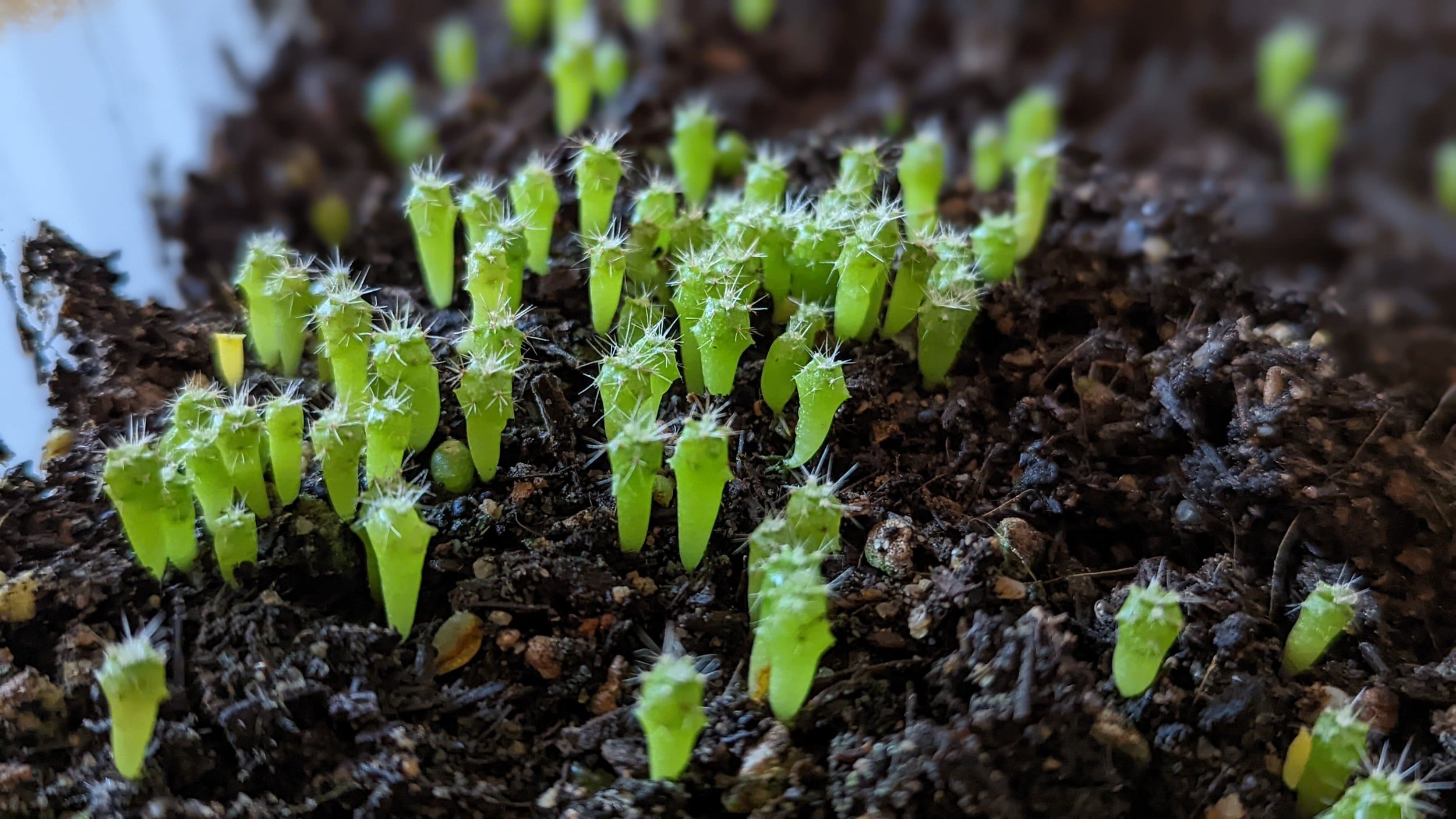
For enthusiasts looking to propagate cacti from seeds, understanding the intricacies of germination is imperative. The process begins with sourcing viable seeds, which can often be purchased from specialty nurseries or collected from ripe fruit.
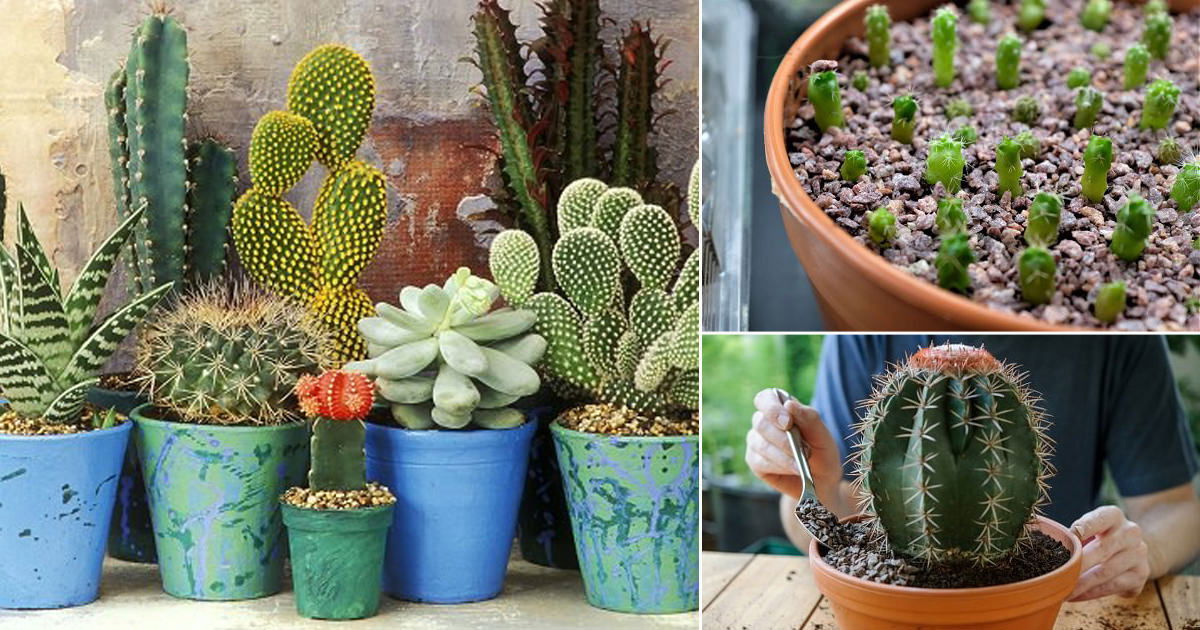
Once acquired, seeds should be sown in a well-draining medium, as excessive moisture can lead to rot. A mixture of cactus soil and perlite is often recommended for optimal drainage. Strategic moisture regulation is crucial; seeds thrive with a moderate level of humidity but must not be overly saturated.
As seeds germinate over several weeks to months, their successful transition to mature plants requires vigilance in environmental control, light exposure, and watering practices. This phase is a delicate balancing act, with novice and experienced gardeners alike benefiting from a structured approach to ensure robust growth.
Conclusion: The Resilience of Cacti Through Reproduction
In conclusion, cacti indeed have seeds, and their reproductive processes are marked by remarkable adaptations that highlight their resilience. From unique pollination strategies to varied dispersal mechanisms, cacti exhibit an astounding variety that speaks to their success in diverse ecosystems.
Understanding these processes not only addresses concerns for potential cactus cultivators but also enriches appreciation for the remarkable adaptations that enable these plants to survive and thrive in some of the most challenging environments. Armed with this knowledge, enthusiasts can cultivate healthier plants and contribute to the vitality of these iconic species.
As the world continues to change, the reproductive tenacity of cacti serves as a beacon of hope and an exemplary guide for sustainability in the realms of both nature and horticulture.
FAQ
Do cacti have seeds?
Yes, cacti reproduce sexually by producing seeds following pollination and fertilization.
How do cacti attract pollinators?
Cacti attract pollinators with vibrant flower colors, scents, and sometimes by blooming at night to attract nocturnal pollinators.
What are common seed dispersal methods for cacti?
Seeds are dispersed by wind or animals that eat the fleshy cactus fruits, helping spread seeds over a wider area.
What environmental factors affect cactus seed germination?
Temperature, moisture, and soil type impact seed viability and germination success.
Can I grow cacti from seeds at home?
Yes, with proper seed sourcing, well-draining soil, moisture control, and suitable light, you can cultivate cacti from seeds.


Leave a Reply