
Short Answer
Cacti, the emblematic flora of arid landscapes, epitomize resilience and adaptation. Among the desert vistas of North America, the Mojave Desert stands out for its extraordinary diversity of these remarkable plants. Spanning across California, Nevada, Utah, and Arizona, the Mojave Desert serves as a remarkable backdrop for a variety of cactus species, each uniquely adapted to endure the harsh climatic conditions. This article delves into the fascinating world of cacti in the Mojave Desert, exploring different species, their habitats, and their ecological significance.
In this exploration, readers can anticipate an in-depth examination of the Mojave’s most iconic cacti, insights into their behaviors, and their roles within the desert ecosystem.
The Mojave Desert: A Harsh Yet Beautiful Habitat
The Mojave Desert is characterized by its stunning landscapes, marked by a fragile interplay of aridity and occasional life-giving rainfall. It boasts a remarkable elevation range, with expanses of sandy dunes, rugged mountains, and the iconic “Joshua trees,” which are not true trees but rather a type of yucca. The climate is extreme; temperatures can soar beyond 120°F in the summer months and plummet to near freezing in winter. Despite these conditions, the desert provides an ideal habitat for numerous cactus species that exhibit an astonishing ability to thrive where most plants would fail.
Understanding the environment is vital when discussing cacti. These plants have evolved features that allow them to conserve water, utilize sunlight efficiently, and deter herbivores. Specialized adaptations, such as thickened outer skins, reduced leaf structures, and extensive root systems, enable them to endure prolonged droughts. The Mojave Desert’s limited precipitation—averaging less than 10 inches annually—means every drop of moisture is essential for survival.
Iconic Cacti of the Mojave Desert
Among the myriad of cacti that call the Mojave home, certain species stand out due to their distinctive appearances and ecological roles. Here are a few notable examples:
1. Mojave Mound Cactus
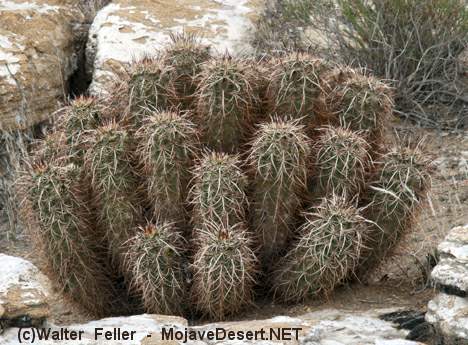
The Mojave Mound Cactus (Echinocereus engelmannii) is an unequivocal jewel of the Mojave landscape. Characterized by its spherical, mound-like shape, this cactus typically reaches a height of around 12 inches, adorned with slender, spiny projections that provide a layer of protection against herbivores. The Mojave Mound Cactus blooms with exquisite pink to purple flowers during late spring, attracting pollinators such as bees and butterflies. These striking flowers are ephemeral, lasting only a few days, which adds to the allure of witnessing their vibrant display amidst the arid surroundings. The Mojave Mound Cactus thrives in rocky and sandy soils, often found in areas with indirect sunlight, showcasing its adaptability to varied microenvironments.
2. Barrel Cactus
The Barrel Cactus (Ferocactus cylindraceus) offers a bold architectural presence within the desert. Ranging from 2 to 4 feet in height and possessing a barrel-shaped body, this cactus is distinguished by its prominent ribs and curved spines. In the spring, vibrant yellow flowers crown its top, providing a striking contrast to its rugged form. Barrels are not only visually appealing but also serve as vital water reservoirs for desert-dwelling animals, a testament to their ecological importance. Their thick, waxy skin helps them minimize water loss, while their deep root systems enable them to tap into hidden moisture reserves. Notably, the flesh of the Barrel Cactus is edible, providing sustenance for both humans and wildlife alike.
3. Cholla Cactus
The Cholla Cactus, specifically the Teddy Bear Cholla (Cylindropuntia bigelovii), graces the Mojave with its enchanting yet deceptive appearance. Resembling a fuzzy teddy bear from a distance, closer inspection reveals its densely packed spines, known as glochids, which attach easily to anything that brushes against them. The Cholla is renowned for its otherworldly beauty, especially when covered in golden blooms in the spring. Its adaptability is remarkable; it thrives in various soil types and can propagate through fragmentation, as segments of the cactus can take root independently. The Cholla provides critical habitat for birds and small mammals, as its structure offers shelter and protection from predators.
The Role of Cacti in Desert Ecosystems
Cacti play an integral role in sustaining the delicate balance of the Mojave Desert ecosystem. As keystone species, they influence various ecological dynamics. The presence of cacti provides food and habitat for an array of wildlife, including insects, birds, and small mammals. The vibrant flowers of cacti attract pollinators, thus contributing to the fertility of the desert and enabling cross-pollination among plants.
The water retention abilities of cacti are vital in an environment where every drop counts. Cacti preserve moisture, allowing surrounding plants and animals to benefit from this stored resource during drought periods. Their intricate root systems help stabilize the sandy soil, reducing erosion and promoting a healthier ecosystem. These contributions highlight the significance of protecting cacti and their habitats, ensuring the survival of this vibrant yet fragile environment.
As we immerse ourselves in the wondrous world of cacti in the Mojave Desert, we glean not only an appreciation for their beauty and uniqueness but also a deeper understanding of their vital role within the desert ecosystem. Through their remarkable adaptations, cacti exemplify the resilience of life in arid conditions and remind us of the breathtaking diversity our planet offers. From the alluring Mojave Mound Cactus to the iconic Barrel and Cholla cacti, each species contributes uniquely to the tapestry of the Mojave Desert, making it a treasure trove for botany enthusiasts and nature lovers alike.
FAQ
What is the Mojave Mound Cactus?
A small, spherical cactus with pink to purple flowers that blooms in late spring, adapted to rocky and sandy soils with indirect sunlight in the Mojave Desert.
Why is the Barrel Cactus important in the desert ecosystem?
It serves as a water reservoir for wildlife, has edible flesh, and its thick skin helps minimize water loss.
How does the Cholla Cactus propagate?
Through fragmentation; segments of the cactus can break off and root independently to create new plants.

Leave a Reply