
Short Answer
Prickly Pear Cactus Thorns: How to Safely Handle and Care for Prickly Pear Cactus Thorns
Understanding Prickly Pear Cactus Thorns
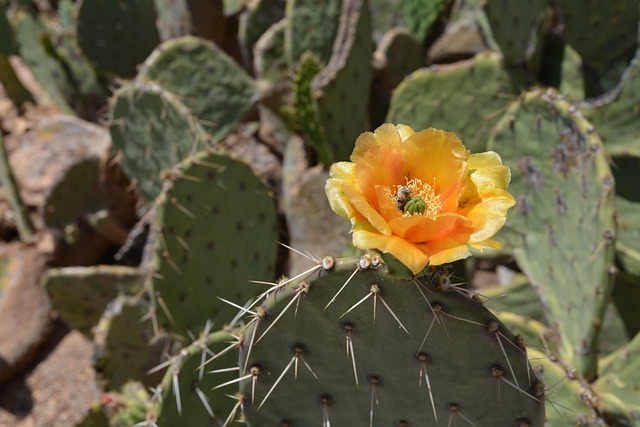
The Prickly Pear cactus, belonging to the Opuntia genus, is a perennial staple of arid landscapes, thriving in a variety of environments globally. Its distinctive pads and vibrant fruit, known as tunas, emphasize its ecological and cultural significance. However, one notable characteristic that warrants discussion is the thorn system of this fascinating plant.
Thorns can be categorized primarily into two types: the larger, rigid spines and the smaller, hair-like glochids. While the spines deter herbivores and pests, the glochids are notorious for frequently causing irritation upon contact. Understanding these differences is crucial for safe handling, as both types pose unique challenges.
The Dangers of Prickly Pear Thorns
Encountering thorns from a Prickly Pear cactus can lead to more than just minor inconvenience. The glochids, which may seem innocuous, can embed themselves in the skin. They release irritative compounds that can cause delayed allergic reactions, leading to discomfort or a rash.
Similarly, the stiff spines can puncture skin, leading to potential infection if not treated properly. Scrapes or punctures can become breeding grounds for bacteria, emphasizing the importance of proper first aid and caution when interacting with these plants.
In urban areas or in gardens, one may often overlook these formidable defenses, resulting in accidental encounters. Therefore, understanding the nature of these thorns is not just for the botanist, but also for anyone looking to coexist or cultivate these striking plants in their own gardens.
Essential Techniques for Safe Handling
When it comes to handling the Prickly Pear cactus, preventive measures are paramount. Wearing gloves made of thick leather or specialized gardening gloves can act as an effective barrier against both spines and glochids. This simple precaution significantly reduces the risk of injury.
Utilizing tools, such as long-handled tongs or a spatula, can aid in effortless transport or re-potting of pads without direct contact. For gardening purposes, using pruning shears can help cut away unwanted pads, minimizing the risk of close encounters with thorns.
In addition, frequent inspection of the cactus before any handling is advisable. Observing the health of the cactus and checking for loose pads can help avoid unexpected run-ins with thorns. The act of detaching pads should be approached with care, ensuring stability at the base of the pad to prevent slips which could lead to injury.
Caring for Your Prickly Pear Cactus
Maintaining the health of a Prickly Pear cactus involves more than just safeguarding against its thorns. Proper watering, adequate sunlight, and soil selection are foundational to its longevity and vitality.
If considering a potting scenario, use a well-draining soil mix combined with coarse sand or gravel. This deters excess moisture, which can lead to rot—an underlying concern for cactus aficionados.
Positioning your cactus in a location that receives ample sunlight is essential. Ideally, a southern-facing window offers maximum exposure. However, those who wish to cultivate outdoors must ensure that extreme temperature fluctuations are avoided, as Prickly Pear cacti can tolerate some cold but do best within a comforting temperature range.
Succulents rely on a careful balance of water. During the growing season, allowing the soil to dry out entirely between watering is critical. Overwatering is one of the most frequent pitfalls—remember that these plants are elegantly designed to thrive under arid conditions.
Identifying Potential Pests and Issues
In the pursuit of maintaining a healthy Prickly Pear cactus, vigilance regarding pests and diseases is crucial. Scale insects and mealybugs often find their way to these resilient plants, feeding on the sap and damaging pads in the process.
Early detection through visual inspection is key; inspecting the pads regularly can prevent widespread infestation. If such pests are spotted, a gentle spray with a mixture of water and mild soap can often dislodge them. For more resilient infestations, commercial insecticidal soap may be necessary.
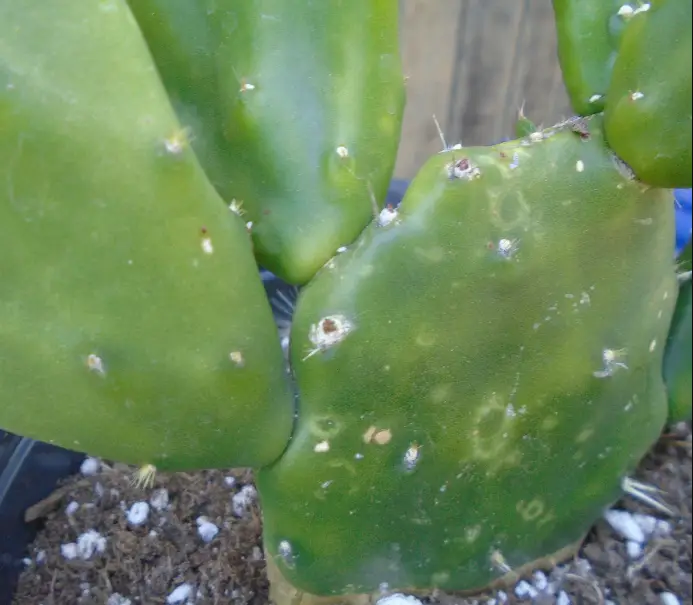
Additionally, be on the lookout for signs of environmental stress, such as discoloration, shriveling pads, or blackening spots. These symptoms may indicate pathogen-related issues or problems with exposure to sunlight or water. Addressing these concerns promptly will enhance the health and aesthetics of your cactus.
Navigating Nestled Elements of Culture and Culinary Usage
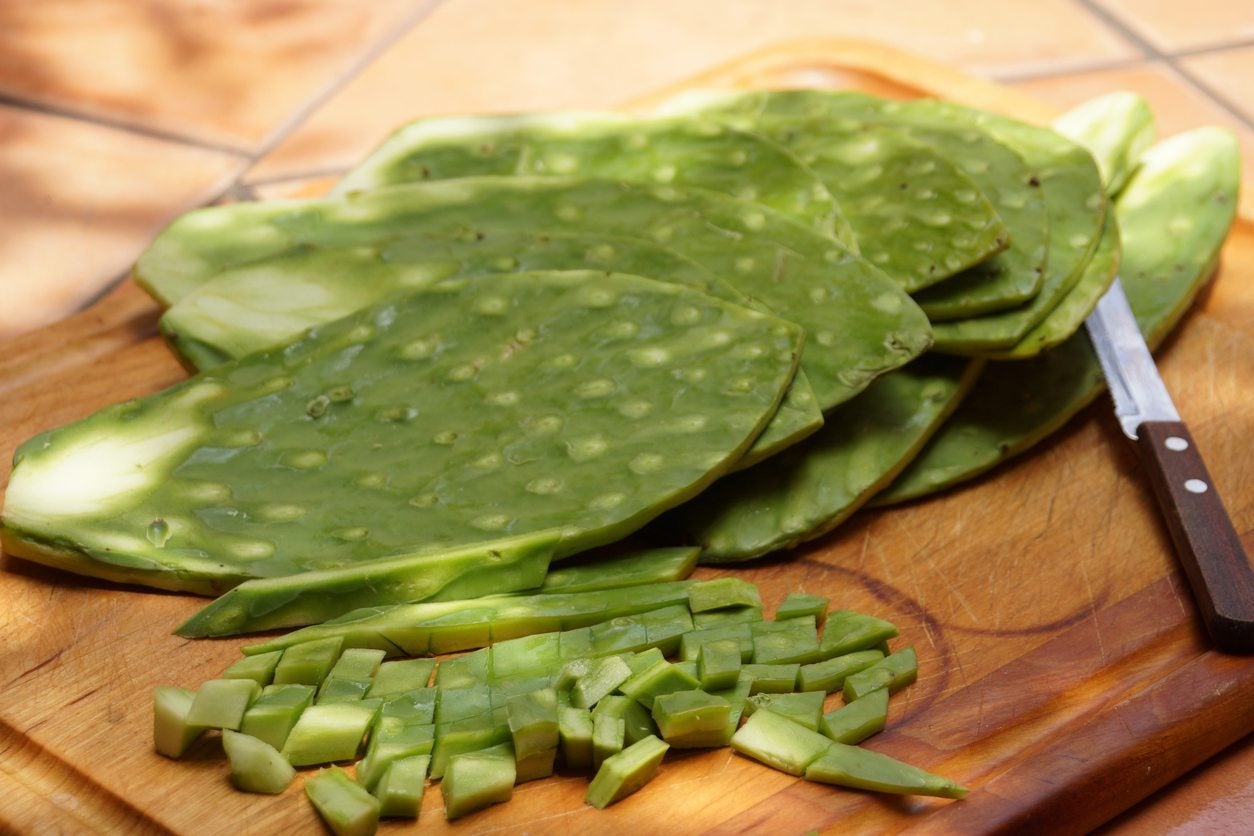
The Prickly Pear cactus holds a rich place in culinary traditions, with its pads (nopales) and fruits (tunas) forming the basis of numerous dishes across different cultures. However, preparation comes with its challenges.
Prior to culinary use, engaging in a thorough removal of thorns is imperative. Adopting a fire-roasting technique on the pads can effectively singe off glochids, making the pads safe for consumption. Furthermore, using a vegetable peeler or knife can efficiently remove the thick skin surrounding the tuna, allowing for enjoyment of its juicy, sweet interior.
Understanding how to handle thorns not only elevates the safety of engaging with these plants but also opens the door to a myriad of delicious, healthful culinary pursuits.
In conclusion, the Prickly Pear cactus epitomizes resilience and beauty within its arid realm. However, its thorns demand respect through careful handling and mindful care. By applying substantial methods of protection and utilizing best practices for maintenance, both enthusiasts and novices alike can appreciate this remarkable plant’s full potential. With understanding, a deep-rooted relationship with Prickly Pear can flourish, much like the vibrant fruits that adorn its pads.
FAQ
What are the two types of thorns on the Prickly Pear cactus?
The Prickly Pear cactus has larger, rigid spines and smaller, hair-like glochids, both of which require careful handling.
How can I safely handle Prickly Pear cactus thorns?
Wear thick leather or specialized gardening gloves, use long-handled tools, and inspect the cactus before handling to avoid injury from the spines and glochids.
What should I do if prickle pear thorns puncture my skin?
Clean the affected area promptly to prevent infection and remove any embedded glochids carefully. Seek medical advice if irritation or allergic reactions occur.
How do I care for a Prickly Pear cactus to maintain its health?
Provide well-draining soil, adequate sunlight, and water sparingly, allowing the soil to dry out between watering to prevent rot.
How are Prickly Pear cactus pads prepared for culinary use?
Remove thorns thoroughly by fire-roasting or peeling to make the pads safe for consumption.

Leave a Reply