
Short Answer
Planting prickly pear cactus cuttings can be both a rewarding and straightforward endeavor. Known for their resilience and adaptability, prickly pear cacti are not only visually striking but also relatively simple to propagate, making them an ideal choice for gardeners of all experience levels. This guide will provide a comprehensive step-by-step approach to successfully propagate prickly pear cacti from cuttings.
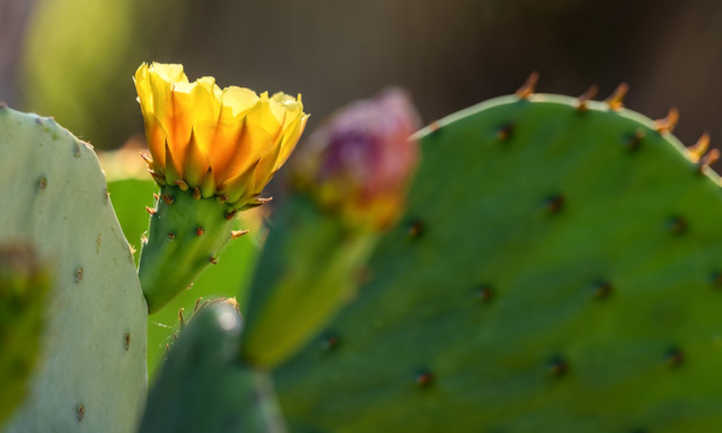
Understanding the anatomy and growth habits of the prickly pear cactus is crucial before diving into the propagation process. These plants belong to the Opuntia genus, characterized by flat pads, spiny or spineless surfaces, and vibrant flowers. They thrive in a range of habitats, from deserts to urban environments, making them exceptionally versatile and hardy.
Before you begin, it’s prudent to address some buyer concerns regarding the propagation of prickly pear cacti. Many prospective gardeners worry about the ultimate success of planting these cuttings and the potential issues that could arise. With careful preparation and a thoughtful approach, you can achieve a high success rate while enjoying the beauty and utility of one of nature’s most resilient plants.
As you navigate the propagation process, consider the following essentials: appropriate timing, cutting selection, preparation methods, and ongoing care. Let’s delve into each stage of the process.
The Optimal Time for Propagation
Timing can greatly influence the success rate of your prickly pear cactus cuttings. The best period for taking cuttings is during the warmer months of late spring and early summer. During this time, the plant is actively growing, allowing the cuttings to root more quickly and effectively.
Additionally, ensure you choose a day when the weather is dry. Excess moisture can encourage fungal issues or rot, compromising the integrity of your cuttings. By selecting the right conditions and timing, you set the stage for a fruitful propagation journey.
Selecting the Ideal Cutting
Once you’ve determined the optimal time for propagation, the next step is to select the right cutting. Ideal cuttings should be healthy, mature pads, ideally between 6 to 12 inches long. Look for pads that are free from blemishes, disease, or insect damage. A robust, vibrant appearance typically indicates a healthy cactus pad.
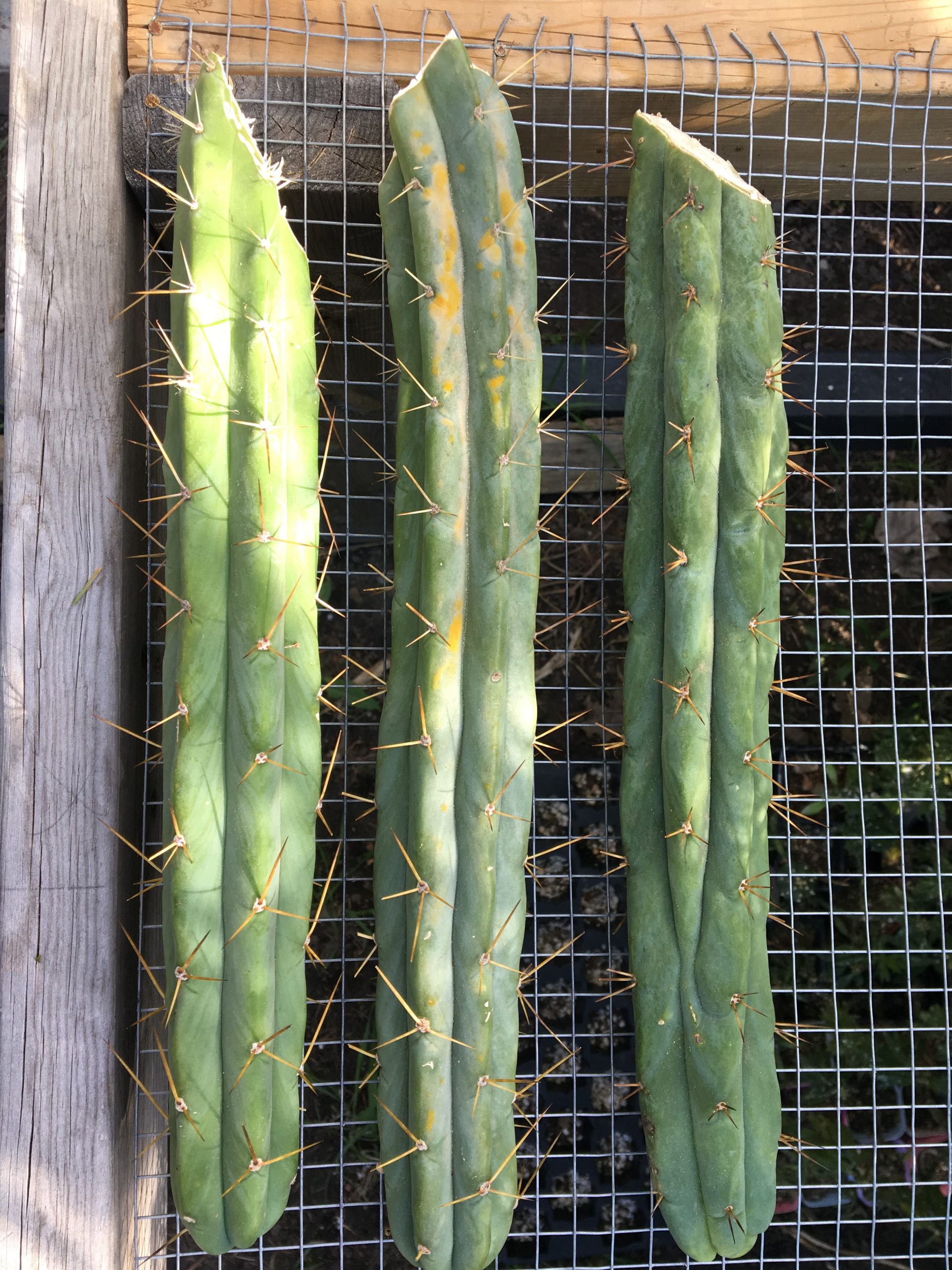
When you cut the pad, utilize a sharp, sterile knife to minimize damage and reduce the risk of infection. It’s advisable to allow the cut surface to callous over for several days before planting. This crucial step helps protect the cutting and encourages rooting by reducing moisture loss.
Preparing to Plant: Soil and Containers
The choice of container and soil can make a substantial difference in the success of your prickly pear cactus cuttings. Use a pot with drainage holes to prevent water accumulation, which can lead to rot. Plastic or terracotta pots work well, depending on your aesthetic preference and availability.
For the potting mix, consider a well-draining cactus or succulent blend that combines standard potting soil with coarse sand or perlite. This mixture allows water to flow through efficiently while preventing the roots from sitting in moisture. A good ratio is approximately 2:1 of potting soil to coarse material.
Planting Your Cuttings
With your cuttings calloused and your potting mix ready, it’s time to plant. First, fill your container with the prepared soil mixture, leaving enough space at the top for your cactus cuttings to settle comfortably. Position the cuttings upright, burying only the bottom inch or two into the soil. Be cautious not to plant them too deep, as this can lead to insufficient rooting and potential rot.
Once planted, lightly press the soil around each cutting to provide some support. After planting, avoid watering the soil for at least a week. This precaution allows the cuttings to develop a more robust root system without the risk of excess moisture.
Ongoing Care for Healthy Growth
Post-planting care plays a pivotal role in ensuring the vitality of your cactus cuttings. Position the container in a location that receives ample indirect sunlight. While prickly pears are drought-tolerant, initiating their growth period requires a balance of light and water.
After the initial week, you may begin to water sparingly. The best approach is to allow the soil to dry out completely between waterings. Over-watering is one of the most common pitfalls in cactus propagation, so err on the side of caution. Additionally, consider using a diluted cactus fertilizer during the growing season to provide essential nutrients that promote growth.
Signs of Root Development
Be patient; it may take several weeks before you notice any discernible growth. Signs of rooting include new pad formation or a change in color in the existing pads. As your cuttings establish roots, you can gradually increase watering to maintain healthy growth.
Troubleshooting Common Issues
Even with the best intentions and practices, you may face challenges while propagating prickly pear cacti. Watch for signs of shock or disease, such as discoloration of the pads, softening, or rot. If you notice any of these symptoms, reduce watering, ensure adequate ventilation, and consider repotting to encourage recovery.
In conclusion, planting prickly pear cactus cuttings is a satisfying venture that brings beauty and diversity to your garden. By following this step-by-step guide, you can ensure a higher success rate and enjoy the flourishing results of your hard work. With patience and proper care, you will be able to cultivate a thriving collection of prickly pear cacti that will elevate your outdoor space for years to come.
FAQ
When is the best time to propagate prickly pear cactus?
The best time is during late spring and early summer when the plant is actively growing.
How do I prepare the cactus cuttings before planting?
Allow the cut edges to dry and callous over for several days to prevent rot and infection.
What soil mix should I use for prickly pear cuttings?
Use a well-draining mix combining potting soil with coarse sand or perlite in a 2:1 ratio.
How should I water newly planted prickly pear cuttings?
Do not water for the first week; afterward, water sparingly and let the soil dry out completely between waterings.
What are signs that my prickly pear cutting is rooting?
Look for new pad growth or color changes in existing pads as signs of successful rooting.
Leave a Reply