
Short Answer
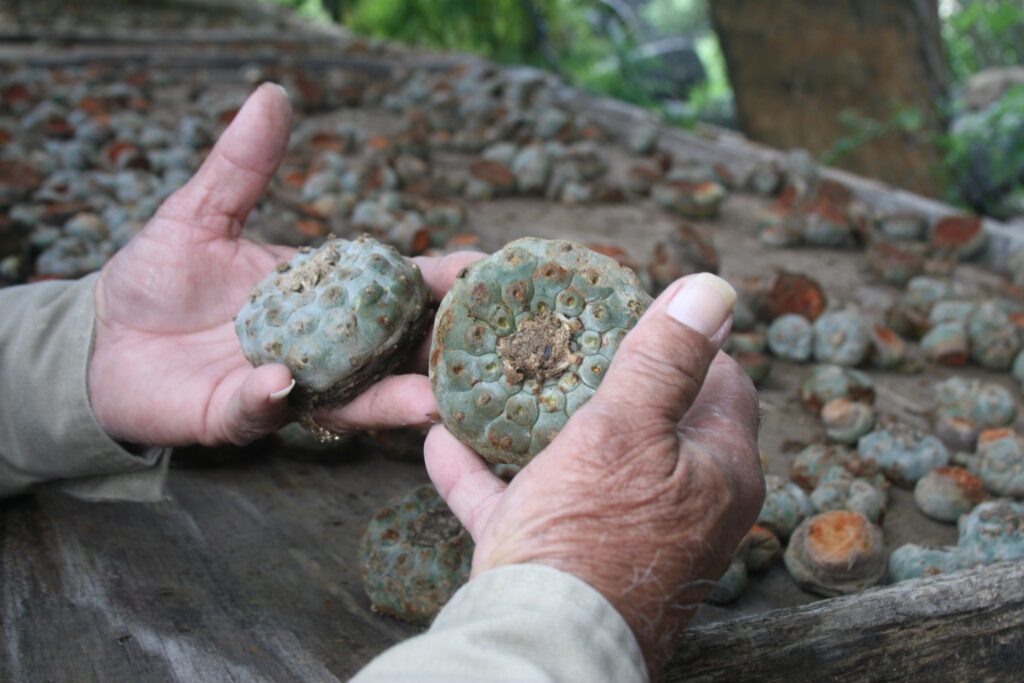
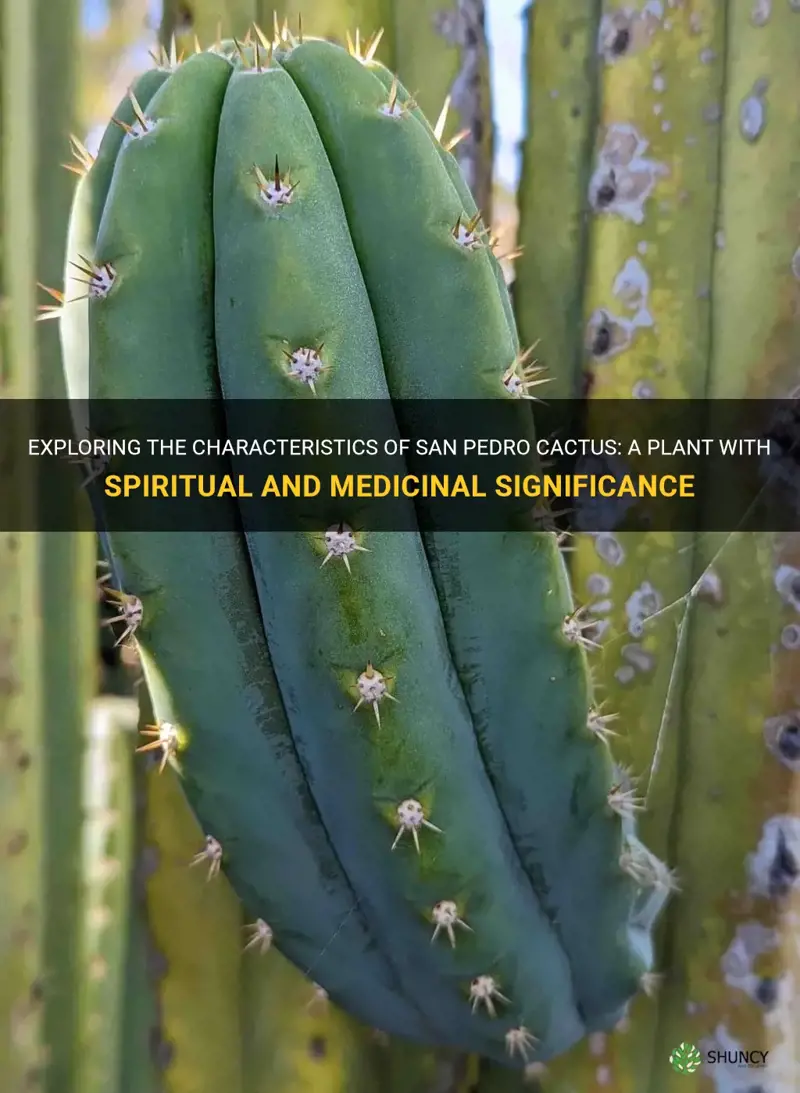
Peyote, a small cactus native to the southwestern United States and Mexico, has been historically revered for its psychoactive properties. The seeds of peyote, which are often a topic of legal debate, present a convoluted narrative regarding their legality. This article delves into the intricate web of regulations governing peyote and its seeds in the U.S., shedding light on the various components that influence their legal status.
Peyote is primarily known for its principal psychoactive component, mescaline. This compound induces hallucinations and altered states of consciousness, which are foundational to its use in various religious and cultural ceremonies, particularly among Native American tribes. Despite its long-standing cultural significance, the legal framework surrounding peyote and its seeds is multifaceted and varies across federal and state jurisdictions.
As interest in traditional use and entheogenic substances grows, understanding the legal nuances is imperative for lawmakers, cultivators, and enthusiasts alike.
The Federal Perspective on Peyote and Mescaline
The Substance Abuse and Mental Health Services Administration (SAMHSA) classifies mescaline, derived from peyote, as a Schedule I controlled substance under the Controlled Substances Act. This classification denotes a high potential for abuse, lack of accepted medical use, and a lack of accepted safety for use under medical supervision. However, an exception exists for the use of peyote in the context of religious practices by recognized tribes.
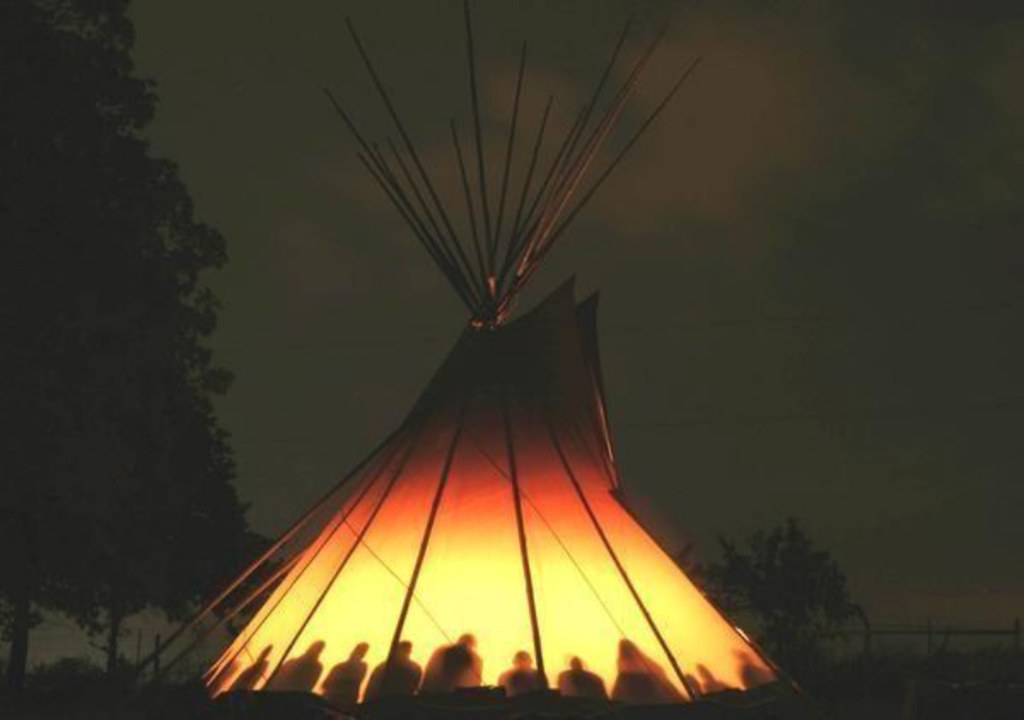
The American Indian Religious Freedom Act Amendments of 1994 protects the religious practices of Native Americans, allowing them to use peyote in ceremonial contexts without fear of legal repercussions. This exemption underlines a significant aspect of peyote’s legal status, highlighting the cultural and spiritual dimensions that contribute to its acceptance among certain communities.
The Seeds: Legal Ambiguities and Considerations
The legality surrounding peyote seeds is less clear-cut than that of the cactus plant itself. In many jurisdictions, there’s an apparent dichotomy between the seeds and the mature cactus. While the cultivation, possession, and use of peyote as a sacramental substance are legally protected for Native Americans, the laws regarding the seeds can vary significantly.
Some states allow for the possession and cultivation of peyote seeds, primarily for non-psychoactive purposes such as horticulture, while others may prohibit their possession altogether, due to their association with the plant’s psychoactive properties. For individuals seeking to cultivate peyote or its seeds for personal or ceremonial use, it is crucial to study the local regulations thoroughly.
State Responses to Peyote Seed Cultivation
In terms of state-level legislation, responses to peyote seed cultivation and possession have been diverse. For example, some states—particularly those with historical ties to Native American tribes—are more lenient, providing allowances for peyote cultivation. Others have adopted stricter views, associating any aspect of the plant with potential misuse or abuse.
Importantly, even in states where seeds are legally possessed, cultivation may still be tightly regulated. Potential cultivators ought to explore zoning laws, agricultural regulations, and local ordinances to ensure compliance, as the legal landscape can change rapidly, influenced by public sentiment and shifts in policy.
The Quest for Decriminalization and Research Opportunities
Beyond simple legality, there is a growing movement advocating for the decriminalization of peyote and its seeds for broader therapeutic and research purposes. Enthusiasts argue that increased access to peyote could lead to valuable insights into mental health treatment, spiritual experiences, and the medicinal properties of mescaline.
With the burgeoning interest in psychedelics for therapeutic uses, new avenues for scientific exploration are arising. Research institutions are increasingly looking at mescaline’s effects within controlled environments, examining its potential benefits and implications in various therapeutic contexts. However, these studies face significant hurdles due to the restrictive legal framework surrounding peyote.
Recent developments suggest a gradual shift in perception regarding psychoactive substances. As communities advocate for broader access and understanding, coupled with compelling research supporting the therapeutic potential of such substances, peyote may find itself at the forefront of new legislative conversations.
The Future of Peyote and Its Seeds in the Legal Landscape
As discussions surrounding drug policy evolve, the fate of peyote and its seeds remains uncertain. Legal outcomes will likely depend on a harmonious balance between cultural significance and societal perspectives on drug use. The push for reform and a nuanced understanding of peyote within both historical and contemporary contexts is essential to shaping future legal frameworks.
Ultimately, stakeholders ranging from Native American tribes to law enforcement agencies, cultivators, and researchers must engage in dialogues that respect both cultural traditions and public safety. The future of peyote and its seeds in the U.S. could hinge on cooperative efforts that prioritize responsible use while celebrating the intricate history of this remarkable plant.
In conclusion, the legal status of peyote and its seeds in the U.S. epitomizes a complex interplay between tradition, culture, and evolving perceptions of psychoactive substances. Navigating this landscape necessitates awareness of both federal and state laws, as well as recognition of indigenous rights that underscore the profound significance of peyote in spiritual practices. As society continues to grapple with these issues, the discourse surrounding peyote will undoubtedly evolve, driven by ongoing research and an enduring respect for cultural heritage.
FAQ
Is peyote legal to possess in the United States?
Peyote is generally illegal under federal law due to its mescaline content, but recognized Native American tribes have legal exemptions for its use in religious ceremonies.
Are peyote seeds legal to buy or cultivate in the U.S.?
The legality of peyote seeds varies by state. Some allow possession and cultivation for non-psychoactive purposes, while others prohibit seeds due to their association with the psychoactive cactus.
What federal laws regulate peyote and mescaline?
Mescaline is classified as a Schedule I controlled substance under the Controlled Substances Act, but the American Indian Religious Freedom Act exempts Native American religious use of peyote.
Why do laws distinguish between peyote plant and its seeds?
Because seeds are not psychoactive themselves, some jurisdictions regulate them differently, often allowing horticultural use while restricting mature plant use.
Are there movements to decriminalize peyote and its seeds?
Yes, there is growing advocacy for decriminalization to enable therapeutic research and broader access while respecting cultural traditions.

Leave a Reply