
Short Answer
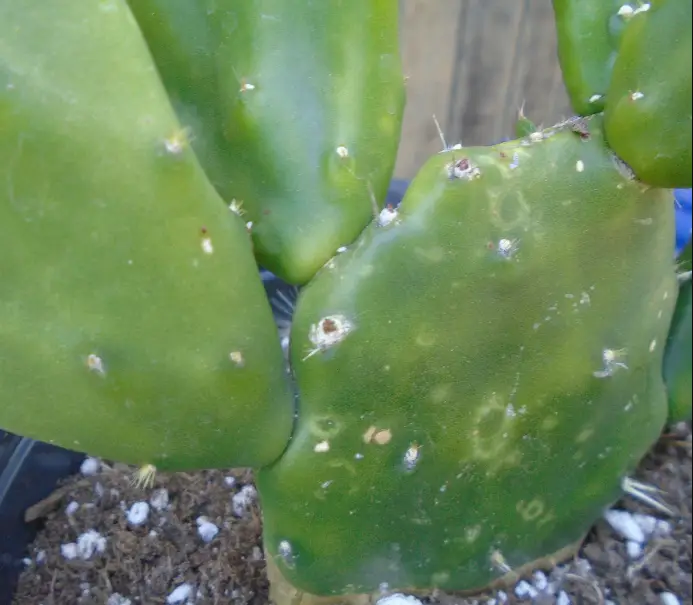
White spots on a prickly pear cactus can be alarming for any gardener or cactus enthusiast. These unsightly blemishes may indicate various issues that could threaten the health and vibrancy of your plant. Understanding the causes of these white spots—and how to effectively treat them—is essential for maintaining a thriving cactus. Here’s an extensive guide to identifying the reasons behind white spots on prickly pear cacti and the methods you can use to mitigate these issues.
Before diving into treatment, it is vital to understand what these white spots signify. In most cases, white spots are indicative of pests or fungal infections. However, they may also arise from environmental stressors. Recognizing the underlying cause will allow you to apply the most effective treatment.
Common Causes of White Spots on Prickly Pear Cactus
Identifying the root cause of white spots is the first step in treating your prickly pear. Let us explore the most prevalent reasons for these annoying marks.
Powdery Mildew
One of the primary causes of white spots is powdery mildew. This fungal disease appears as a white, powdery coating on the cactus surface, primarily due to high humidity and inadequate air circulation. The poor airflow traps moisture, fostering a conducive environment for fungal growth. While powdery mildew typically does not kill the plant outright, it can weaken its overall health over time.
Cactus Mealybugs
Cactus mealybugs are notoriously troublesome pests that can also lead to the development of white spots. These tiny insects appear as small, fluffy white masses, often located in the crevices of the cactus or at the heart of the pads. They feed on plant sap, draining the cactus of vital nutrients and causing stress. Their presence can lead to further complications, such as the development of sooty mold, which manifests as black, sticky spots due to honeydew excreted by the bugs.
Sunburn or Environmental Stress
Another cause of white spots may be sunburn or other forms of environmental stress. When a prickly pear cactus is subjected to excessive sunlight, extreme temperatures, or inconsistent watering, it may develop white patches on its flesh. These spots can appear as bleached areas, indicating that the plant is struggling to thrive in its current conditions.
How to Treat White Spots on Your Prickly Pear Cactus
After diagnosing the cause of the white spots, the next step is to implement appropriate treatment methods aimed at restoring your cactus to its healthy state.
Powdery Mildew Treatment
For powdery mildew, it is crucial to enhance air circulation around the plant. Positioning the cactus in a more open area or using a fan during humid conditions can significantly improve airflow. Additionally, applying a fungicidal spray can help eliminate the spores that lead to further infection. Be sure to follow the manufacturer’s guidelines, as over-application may harm the plant.
Mealybug Removal
If cactus mealybugs are the culprits, a more hands-on approach is required. Begin by physically removing the visible mealybugs with a cotton swab dipped in rubbing alcohol. This method effectively eradicates the insects without introducing harsh chemicals. However, if the infestation is extensive, consider using insecticidal soap or neem oil as a more potent treatment. These organic solutions can help eliminate the pests while remaining safe for the plant and surrounding environment.
Addressing Environmental Stress
In cases of environmental stress leading to white spots, evaluate the current care regimen. Ensure that the cactus is receiving adequate light without being scorched by direct midday sun. If potted, consider relocating the cactus to a shadier location during peak sunlight hours. Pay attention to watering practices; overwatering and underwatering can both lead to stress. The soil should be allowed to dry out completely between waterings, mimicking the cactus’s natural desert habitat.
Final Thoughts: Prevention is Key
While understanding how to treat existing issues is vital, prevention should also be a focus to ensure your prickly pear cactus remains in optimal health. Regularly inspect your cacti for signs of pest infestation or fungal growth. Implementing a prudent care routine tailored to the needs of your cactus will significantly reduce the chances of encountering white spots.
Furthermore, consider providing your cactus with a consistent environment. Sudden temperature fluctuations can be particularly distressing. Watering on a regular, predictable schedule while ensuring the correct soil drainage can also mitigate stress factors. As with most plants, a healthy prickly pear cactus will resist pests and disease more effectively.
Caring for prickly pear cacti requires diligence and knowledge, but by being proactive about their health, you can enjoy their beauty and resilience without the fear of unsightly white spots. With the right treatment and preventative measures in place, your prickly pear cactus can continue to be a striking addition to your garden or indoor collection.
FAQ
What are white spots on prickly pear cactus?
They are signs of issues such as fungal infections like powdery mildew, pest infestations like mealybugs, or environmental stress such as sunburn.
Can powdery mildew kill my prickly pear cactus?
Powdery mildew rarely kills the cactus outright but can weaken it over time if untreated.
How do mealybugs affect prickly pear cactus?
Mealybugs feed on sap, causing stress and potentially leading to secondary fungal growth like sooty mold.
Is sunburn reversible on prickly pear cactus?
Sunburn causes bleached areas that may not fully recover, but adjusting light exposure can prevent further damage.



Leave a Reply