
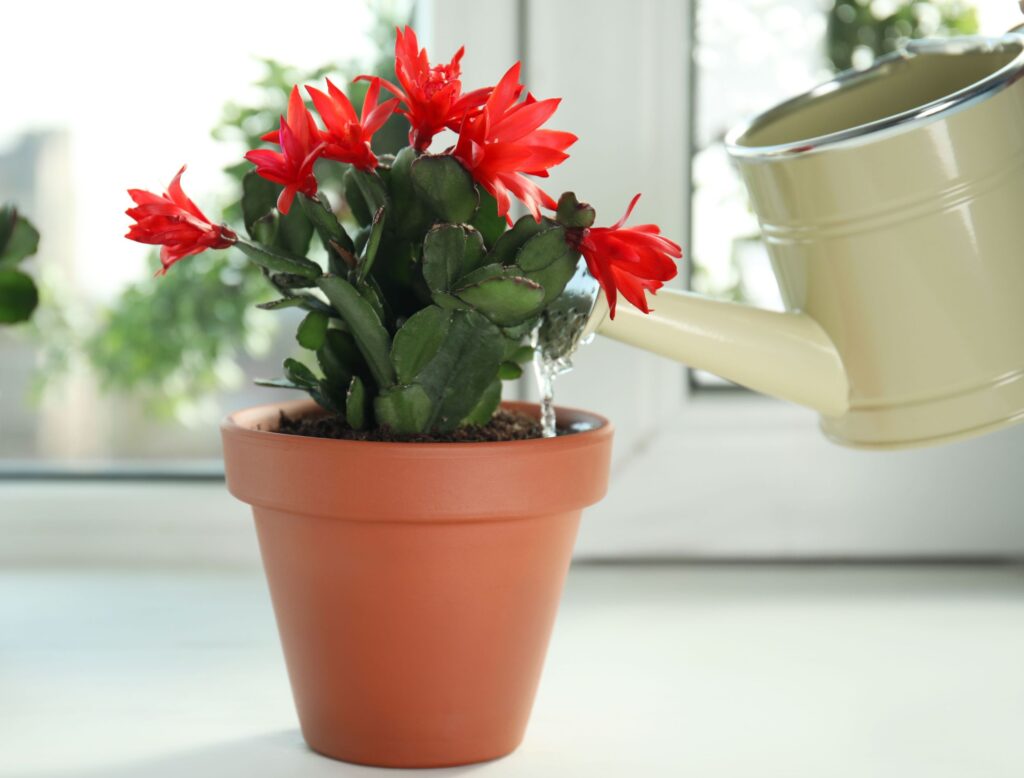
Short Answer
Cacti are renowned for their ability to thrive in arid conditions, yet they still require precise care to flourish. One of the fundamental aspects of cactus maintenance is understanding their watering needs. This article delves into how often to water cacti, establishing a comprehensive guide for various species, environmental factors, and seasonal changes.
Watering a cactus is not a mere act; it is an art, a meticulous balance between hydration and drought. A cactus’s resilience in the face of drought does not exempt it from the perils of overwatering. Each species has distinctive requirements that should guide the watering schedule. As such, it’s crucial to consider the plant’s native habitat to replicate suitable conditions as closely as possible.
Understanding the various types of cacti is essential in determining their watering frequency. From the majestic Saguaro to the diminutive Christmas Cactus, each variation presents unique characteristics that influence how much and how often they should be watered.
The Saguaro, a symbol of the American Southwest, exemplifies how climate shapes a plant’s needs. This towering giant can store water within its fleshy stems, allowing it to sustain itself over prolonged dry spells. Conversely, species like the Christmas Cactus, originating from tropical regions, demand a different regimen. These plants prefer consistently moist soil during their growing season.
Establishing a Watering Routine
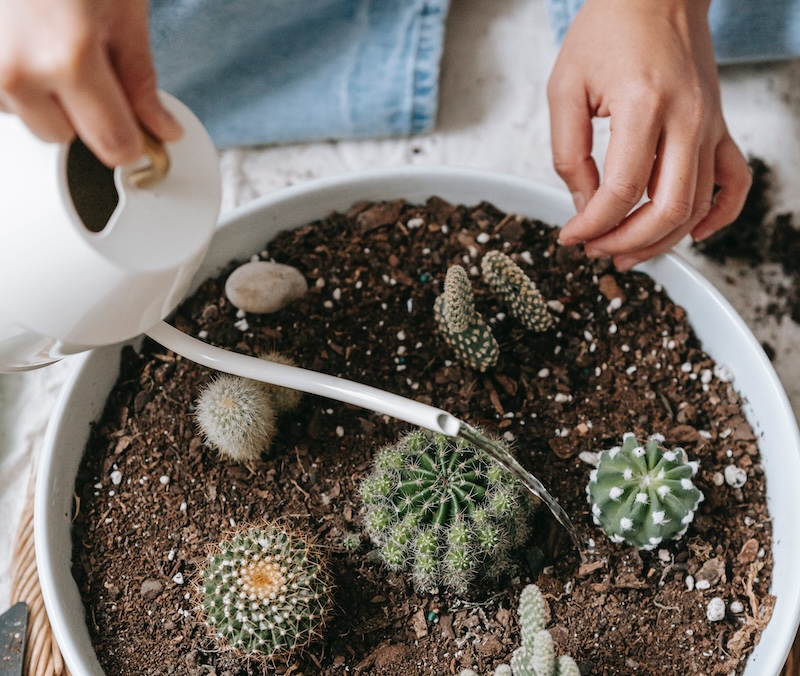
The watering routine you adopt is contingent upon several factors: the type of cactus, its environment, and the season. A general guideline is to water your cactus thoroughly but infrequently, allowing the soil to dry out completely between each watering session. This approach mimics natural precipitation patterns, fostering robust root development and minimizing the risk of root rot.
During the growing season, typically from spring to early autumn, cacti are more active and thus require more frequent watering. Depending on the species and climate, this might mean watering once every two to four weeks. Ensure that the pot allows for proper drainage to prevent excess moisture from lingering around the roots, as this could lead to fungal issues and decline in plant health.
In contrast, the dormant winter months require a significant reduction in watering. Most cacti enter a state of dormancy during this time, needing far less water, potentially extending to once every six to eight weeks. Always assess whether the soil is completely dry before applying any water to avoid jeopardizing your plant’s health.
Environmental Considerations
Your cactus’s specific environment plays a pivotal role in determining its watering needs. The temperature, humidity, and light exposure all influence evaporation rates and soil moisture retention. For instance, a cactus positioned in a sunny window will dry out more rapidly compared to one placed in a shaded area.
Temperature fluctuations also affect how much water your cactus requires. In warmer conditions, plants transpire more water and will need more frequent irrigation. Conversely, during cooler periods, especially in winter, cacti require markedly less water. Monitoring the humidity of your living environment is equally important; consistently high humidity may necessitate even less frequent watering.
Soil Type and Drainage
The soil used for cacti can have a profound impact on their watering schedule. Cacti thrive in well-draining soils, which counteract the risk of water retention. A specialized cactus potting mix, containing a blend of organic soil, perlite, and sand, can promote effective drainage. The texture ensures that water flows freely, reaching the roots without pooling at the bottom of the pot.
Empirical observation is key. After watering, observe how quickly the soil dries out. If it remains soggy redolent for days on end, your mix may require adjustment to improve drainage properties. Conversely, if it dries out too quickly, consider incorporating more moisture-retentive materials without compromising drainage.
Signs of Underwatering or Overwatering
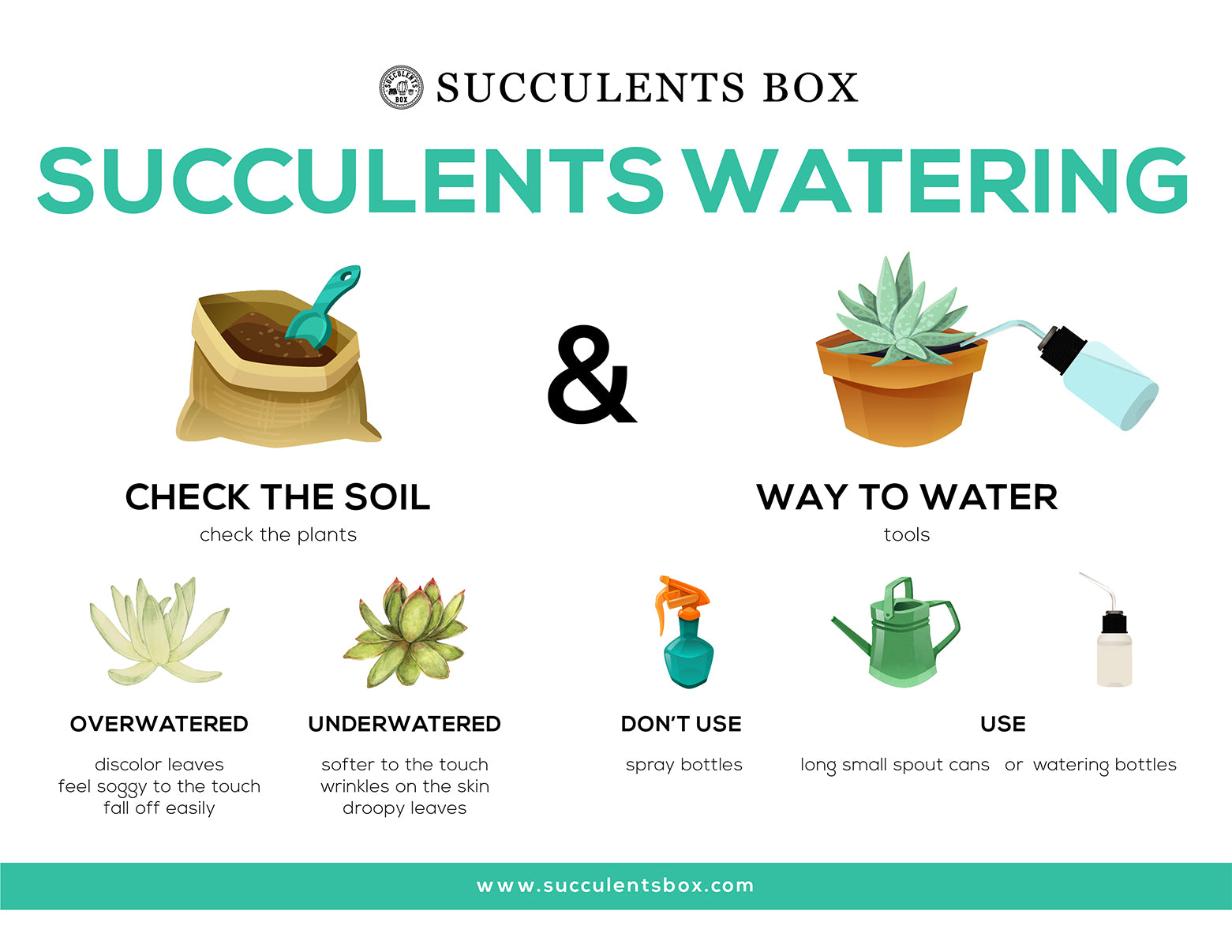
Recognizing the signs that a cactus may be underwatered or overwatered is crucial in establishing the right watering schedule. An underwatered cactus will display signs of wilting or shriveling, often indicating distress and dehydration. On the contrary, an overwatered cactus may exhibit mushy stems, yellowing, or discolored patches, all signs pointing to the potential onset of root rot.
Being attuned to these indicators allows for timely intervention, enabling adjustments to the watering schedule to better align with your cactus’s needs. Additionally, observing your cactus over time helps establish a rhythm that respects its innate requirements, fostering a healthy plant that can thrive in your care.
Conclusion
Watering a cactus correctly is a nuanced endeavor that requires knowledge of the species, environmental factors, and an understanding of seasonal changes. By tailoring your watering schedule, utilizing the right soil, and being attentive to your cactus’s health, you can ensure that your succulent thrives, bringing joy and aesthetic pleasure to your space. Regular assessments and adjustments will engender a safe environment where these resilient plants can flourish and showcase their unique beauty.
FAQ
How often should I water my cactus during the growing season?
Water your cactus every two to four weeks during the growing season, allowing the soil to dry out completely between watering.
What changes should I make to watering in winter?
Reduce watering frequency significantly, watering only once every six to eight weeks during dormancy, and ensure soil is dry before watering.
How can I tell if my cactus is overwatered?
Look for mushy stems, yellowing, and discolored patches, which are signs of overwatering and possible root rot.
What type of soil is best for cacti watering?
Use a well-draining cactus potting mix containing organic soil, perlite, and sand to prevent water retention.



Leave a Reply