
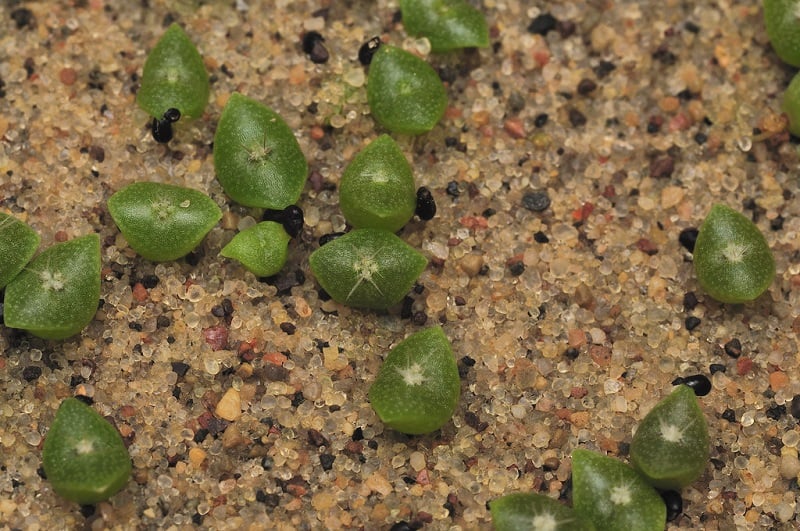
Short Answer
Germinating cactus seeds is a fascinating process that allows plant enthusiasts to connect intimately with nature. While it may seem challenging to the uninitiated, the journey of growing cacti from seeds can be simplified with the right knowledge and practices. This guide breaks down various aspects of germinating cactus seeds, equipping you with the information you need to succeed.
Understanding the intricacies of germinating cactus seeds is imperative. This endeavor not only addresses a common concern for many potential cactus cultivators but also guarantees a more rewarding gardening experience. Let’s delve into the essential steps and considerations to ensure robust seed germination and healthy growth.
Embarking on the Journey: Gathering Your Materials
Before you can germinate cactus seeds, you’ll need to assemble your supplies. The following items are essential for this process:
- Cactus Seeds: Choose seeds from reputable sources to ensure viability. There’s a wide variety of cactus species, each with unique needs; familiarize yourself with the specific type you want to grow.
- Seed-Starting Mix: Opt for a well-draining medium, such as a commercial cactus mix or a blend of peat moss, perlite, and sand. This mix simulates the arid conditions cacti thrive in.
- Containers: Use small pots, trays, or seedling flats with drainage holes. Clear plastic containers can also be beneficial for observing moisture levels for germination.
- Watering Tools: An atomizer or spray bottle is ideal for gentle watering, preventing soil erosion and seed displacement.
- Light Source: While natural sunlight is preferable, consider using grow lights to provide adequate illumination during cloudy days or winter months.
Climate Considerations: Creating the Perfect Environment
Cacti hail from regions characterized by extreme climates, typically arid and sunny. Thus, mimicking these conditions is pivotal for successful seed germination:
- Temperature: Maintain a warm environment, ideally between 70°F and 90°F (21°C to 32°C). Cacti seeds tend to germinate faster under consistent warm temperatures.
- Humidity: Cacti seeds benefit from higher humidity levels during germination. Cover the containers with a clear plastic lid or wrap to maintain moisture levels, removing it periodically to prevent fungal growth.
- Lighting: Provide bright, indirect light to avoid scorching the delicate seedlings. A minimum of 12-16 hours of light per day is recommended for optimal growth.
The Germination Process: From Seed to Seedling
Once you have your materials and environment ready, it’s time to sow your seeds. Follow these steps meticulously to optimize your chances of a successful germination:
- Sowing Seeds: Sprinkle seeds evenly on the surface of the soil mix. Do not bury them, as most cactus seeds require light for germination. Gently press them into the soil to ensure good contact.
- Moistening the Soil: Lightly mist the surface with water. Avoid soaking the medium, as excessive moisture can lead to rot. Ensure the soil remains consistently moist but never soggy.
- Covering and Waiting: Cover the sown seeds with a plastic dome or plastic wrap to retain moisture. This mini greenhouse effect stimulates germination. Watch for signs of sprouting, which can take anywhere from a few days to several weeks, depending on the species.
Nurturing New Growth: Caring for Your Seedlings
Once your seeds germinate, it is crucial to care for them properly to ensure they develop into healthy cacti:
- Thinning Seedlings: After a few weeks, thin out the seedlings if they appear overcrowded. Leave the strongest ones to avoid competition for nutrients, space, and light.
- Watering Techniques: Transition from misting to a more controlled watering approach as seedlings mature. Water gently from the bottom to avoid displacing seedlings.
- Fertilization: Apply a diluted cactus fertilizer once the seedlings develop a few true leaves. Avoid over-fertilization, as young cacti are especially sensitive to nutrient levels.
Potential Challenges: Troubleshooting Common Issues
During the germination phase, you may encounter specific challenges. Here are some common issues and remedies:
- Fungal Growth: Excess moisture can lead to mold or fungal infections. Ensure adequate air circulation and remove any visibly affected seedlings to prevent spread.
- Wilting Seedlings: This can indicate either over or under-watering. Adjust your watering practices by gently assessing the soil’s moisture level.
- Poor Germination Rates: If seeds fail to germinate, consider the viability of the seeds and environmental factors. Temperature spikes or lack of light could stifle growth.
When to Transplant: Preparing for the Next Stage
Once your seedlings grow sufficiently—typically when they are around 2-4 inches tall and have developed a few true leaves—it’s time to prepare them for transplanting. Carefully dig them out with minimal disturbance to their roots. Replant them into larger containers with a similar cactus mix, allowing them ample room to grow.
Conclusion: The Rewards of Growing Cacti from Seeds
Germinating cactus seeds is an exercise in patience and precision. As you embark on this horticultural venture, bear in mind the significance of the right conditions, proper care, and addressing potential challenges. Successfully nurturing cacti from seeds not only enhances your gardening skills but also deepens your appreciation for these resilient plants.
By following this simple guide, you can look forward to watching your tiny seeds transform into magnificent cacti, ready to thrive in their unique, arid beauty. Happy planting!
FAQ
How long does it take for cactus seeds to germinate?
Cactus seeds typically take anywhere from a few days to several weeks to germinate, depending on the species and environmental conditions.
Do cactus seeds need to be buried in soil to germinate?
No, most cactus seeds require light for germination and should be sprinkled on the soil surface without burying.
What is the ideal temperature for germinating cactus seeds?
The ideal temperature range for germinating cactus seeds is between 70°F and 90°F (21°C to 32°C).
How often should I water cactus seeds during germination?
The soil should be kept consistently moist but never soggy. Light misting is recommended to avoid displacing seeds or causing rot.
When should I transplant cactus seedlings?
Seedlings should be transplanted when they are about 2-4 inches tall and have developed a few true leaves.


Leave a Reply