
Short Answer
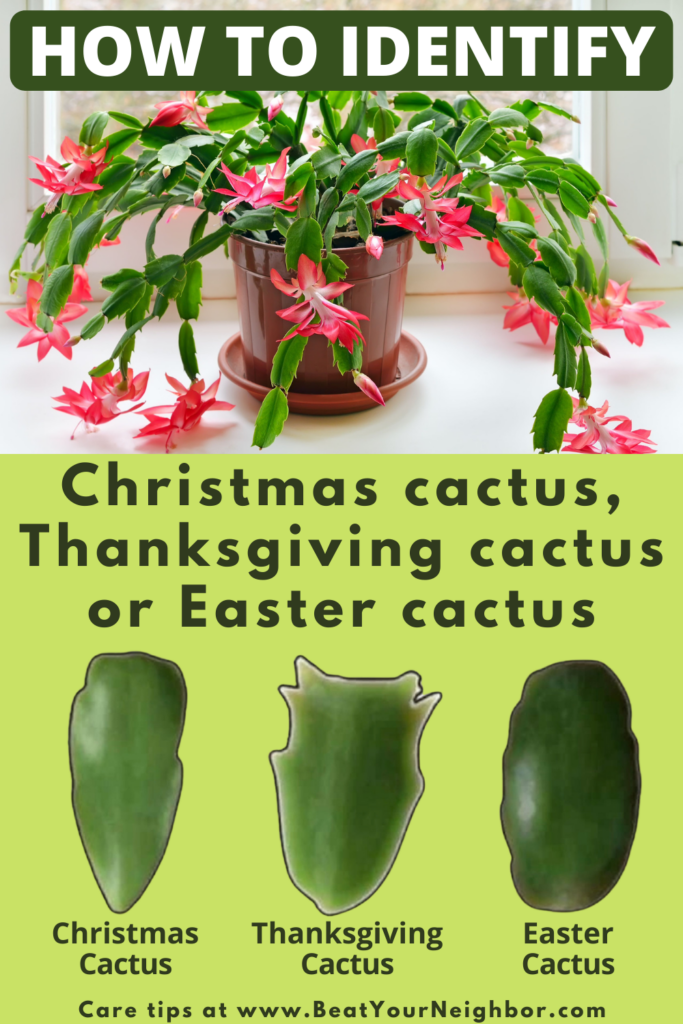
Christmas cacti, known scientifically as *Schlumbergera*, are beloved for their stunning blooms that often brighten the winter months. Differing from traditional cacti, these charming houseplants thrive in a more humid environment, and their care requirements reflect this unique characteristic. To ensure your Christmas cactus remains healthy and vibrant, follow this comprehensive guide that encapsulates the essentials of care, ranging from environmental conditions to propagation techniques.
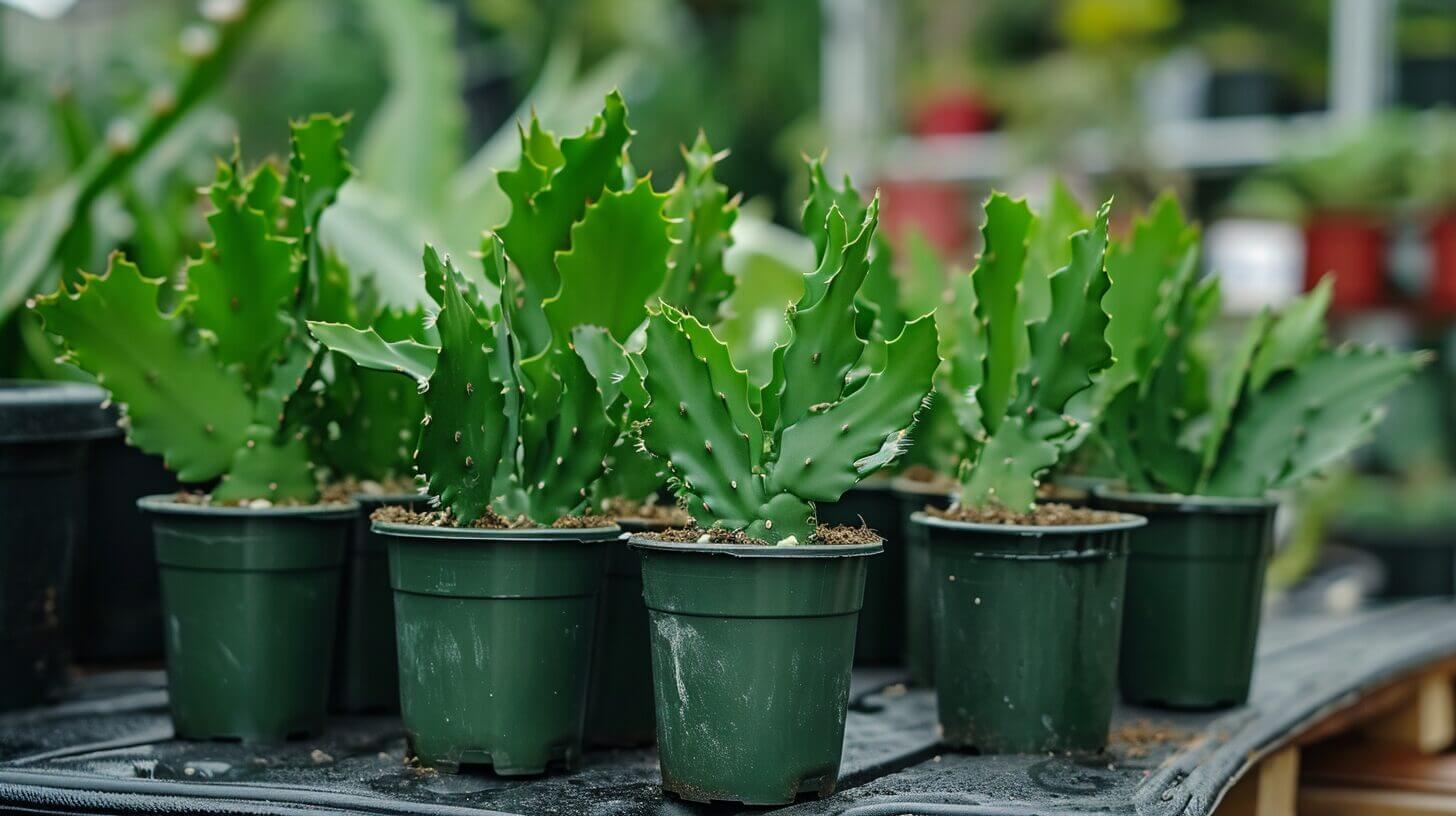
Understanding the origins of your Christmas cactus will enhance your appreciation and care for it. Native to the cloud forests of Brazil, these plants have adapted to shaded areas with high humidity and variable temperatures. By emulating these conditions in your home, you can encourage a magnificent display of blooms during the holiday season.
To maintain a flourishing Christmas cactus, consider the following essential care aspects:
Creating the Perfect Environment
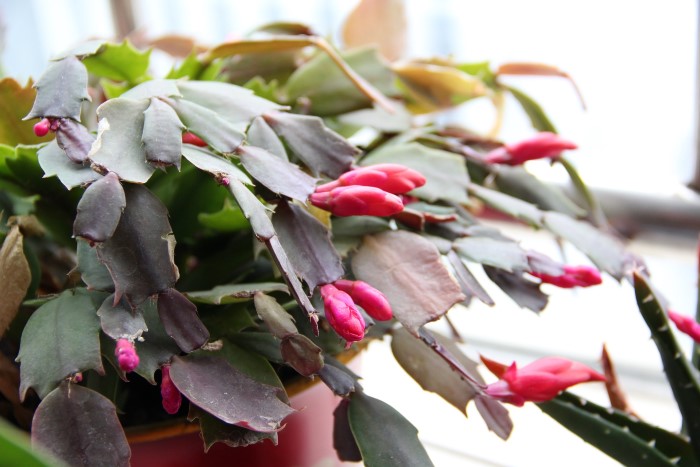
The environment in which a Christmas cactus resides greatly influences its overall health and flowering potential. Unlike most cacti that bask in direct sunlight, the Christmas cactus prefers indirect light. Too much direct sunlight can result in scorched, discolored foliage.
Place your plant in bright, but filtered light. A north or east-facing window often provides the ideal lighting. If the leaves begin to look pale or the plant seems to be stretching towards the light, you may need to adjust its position. This is an indication that your plant is seeking more light.
Temperature is another critical component of a Christmas cactus’s habitat. These plants thrive in temperatures between 60°F and 70°F (15°C to 21°C). Be mindful of placing them near heat vents or drafty windows, as extreme fluctuations can stress the plant. During the blooming period, slightly cooler nights can encourage flower production, aligning seamlessly with the holiday season.
The Importance of Humidity
One of the defining factors in successfully nurturing a Christmas cactus is achieving adequate humidity levels. Unlike typical desert cacti, these plants flourish in humidity, reflecting their natural habitat. Aim for a humidity level of around 50% to 70%.
If your home is dry, especially in the winter months, consider employing the use of a humidifier. Alternatively, you can create a humidity tray by placing your cactus pot on a bed of pebbles in a shallow dish filled with water. Just ensure the water does not come into direct contact with the bottom of the pot, to prevent root rot.
Watering Wisely
The watering regimen for a Christmas cactus is quite distinct from many other houseplants. These cacti prefer to dry out slightly between watering, making it essential to establish a suitable schedule. Overwatering can lead to root rot, while underwatering can cause the leaves to shrivel.
As a general rule, water your Christmas cactus thoroughly when the top inch of soil feels dry to the touch. During the growing season, from spring to autumn, this may mean watering every couple of weeks. In the winter, when the plant enters a dormancy period, reduce the frequency. However, keep an eye on the plant; if the leaves start to sag or wrinkle, it may need a little more moisture.
Fertilizing for Success
To support robust growth and abundant blooms, fertilization plays a pivotal role in maintaining a healthy Christmas cactus. A balanced, water-soluble fertilizer diluted to half strength is recommended during the growing season, typically from spring through early autumn.
Apply the fertilizer every four to six weeks to promote blooming. However, cease all fertilization in the late autumn to allow the plant to prepare for its dormant phase. Over-fertilization, particularly during dormancy, can hinder blooming and may even damage the roots.
Repotting and Propagation
As your Christmas cactus grows, it may eventually require repotting. This typically occurs every two to three years. Choose a well-draining potting mix, ideally one designed for cacti and succulents, to prevent the roots from sitting in excess moisture.
When repotting, select a pot that is only slightly larger than the current one, as overly spacious containers can lead to water retention issues. After repotting, allow the cactus to settle in its new environment before watering it.
For those interested in propagation, Christmas cacti can be easily grown from cuttings. Select healthy segments, each composed of two to four segments, and allow the cut ends to dry out for a day or two. Plant them in a moist soil mix, ensuring they are gently inserted. With the right humidity and care, these cuttings should take root within a few weeks.
Dealing with Pests and Problems
While Christmas cacti are relatively resilient, they may encounter a few common pests or issues. Look out for mealybugs, spider mites, and fungus gnats, which can pose threats to the health of your plant. Regularly inspect the plant for signs of infestation, such as discolored leaves or visible insects.
If pests are detected, treat the plant with insecticidal soap or neem oil, following the product instructions carefully. In addition, ensure that any soil remains well-drained to avoid mold or fungal issues.
In conclusion, caring for a Christmas cactus involves understanding its unique habitat preferences, watering, and feeding regimens. Elevating your care techniques can lead to a flourishing plant that brings beauty and joy during the winter months. With patience and dedication, your Christmas cactus can become a stunning focal point in your home, enhancing your festive celebrations.
FAQ
How often should I water a Christmas cactus?
Water when the top inch of soil feels dry, usually every 1-2 weeks during growth and less in winter.
What type of light does a Christmas cactus prefer?
Bright but indirect light; avoid direct sunlight to prevent leaf burn.
How do I encourage my Christmas cactus to bloom?
Provide cooler night temperatures and reduce watering in autumn to trigger blooming.
Can Christmas cacti be propagated?
Yes, by taking healthy stem segments, letting them dry, and planting in moist soil.
What are common pests and how are they treated?
Mealybugs, spider mites, and fungus gnats can be treated with insecticidal soap or neem oil.
Leave a Reply