
Short Answer
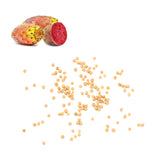
Prickly pear, a vibrant jewel of the cactus family, enchants not only the eye with its stunning colors but also tantalizes the palate with its unique flavor. However, one may wonder whether the seeds of this exotic fruit are consumable, or if they are merely a nuisance to be discarded. Let us embark on a journey to unravel the mysteries of prickly pear seeds, exploring their edibility, nutritional value, and culinary applications.
As we delve into this exploration, think of prickly pear seeds akin to hidden treasures buried within a treasure chest. While the fruit’s luscious flesh demands attention, the seeds hold an array of untapped potential waiting to be discovered.
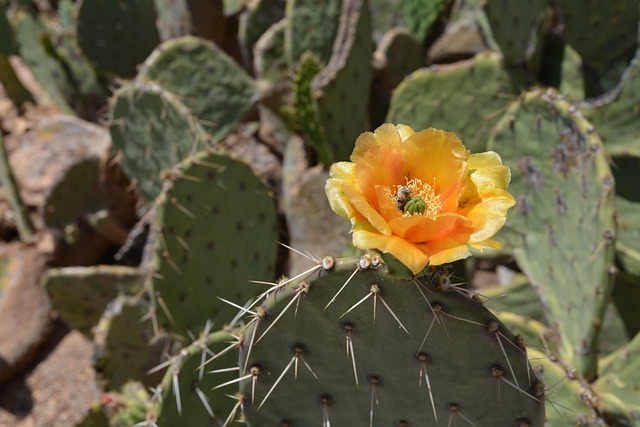
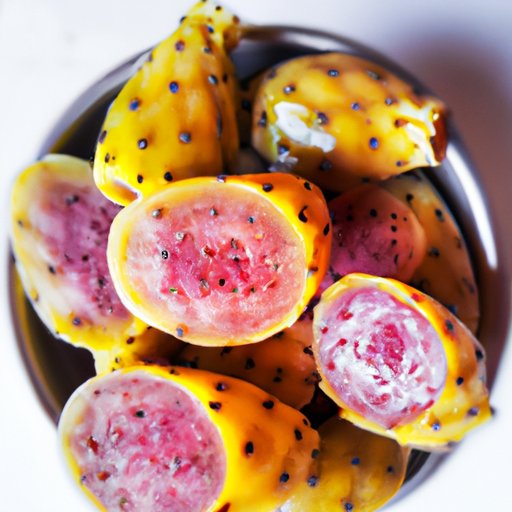
The prickly pear, also known as Opuntia, thrives in arid regions and presents a fascinating assortment of varieties, each offering its own flavor profile and characteristics. The fruit, encased in a vibrantly colored skin, is adorned with sharp spines that beckon careful handling. Inside, the flesh is exquisitely sweet, bursting with a refreshing, juicy essence. But what about the seeds nestled within that delightful pulp?
The Edibility of Prickly Pear Seeds: A Culinary Quandary
First and foremost, yes, prickly pear seeds are edible. However, they are often overlooked due to their gritty texture and hard exterior. This begs the question: should they be consumed whole, or is it wiser to separate them from the succulent flesh?
Many individuals choose to avoid eating the seeds, particularly due to the perception that they may pose a choking hazard or be difficult to digest. Yet, those who venture to try them often find that their slightly nutty flavor complements the sweet notes of the fruit, creating a delightful contrast. In fact, they can add a textural dimension not unlike that of a crunchy nut, thereby enhancing the overall experience of consuming prickly pear.
For the adventurous foodie, there is no harm in incorporating both the fruit and its seeds into your diet. The seeds can be consumed whole, but one can also opt to grind them or blend them into smoothies for added nutrition without enduring an unpleasant mouthful.
Nutritional Value: Nature’s Tiny Powerhouses
Diving deeper into the nutritional profile, prickly pear seeds are teeming with healthy fats, fiber, and essential nutrients. As small as they may be, they boast a remarkable nutrient density akin to miniature powerhouses that contribute to overall well-being.
These seeds are particularly rich in unsaturated fats, which play a pivotal role in heart health by helping to lower bad cholesterol levels. Furthermore, the fiber content aids in digestive health, promoting regularity and contributing to a feeling of fullness. Indeed, a diet rich in fiber is an essential component of a balanced lifestyle, and incorporating prickly pear seeds may enhance one’s dietary fiber intake.
Additionally, prickly pear seeds are packed with antioxidants, which combat oxidative stress in the body, potentially lowering the risk of chronic diseases. This treasure trove’s phytochemical composition is beneficial not only for the body but also for maintaining radiant skin, reinforcing the idea that beauty is rooted in what we consume.
Culinary Applications: Unleashing Creativity in the Kitchen
Now, let us venture into the realm of culinary application where prickly pear seeds can shine. They are not confined to being a mere side note; instead, they can be the stars of innovative dishes and beverages.
One popular method of utilizing prickly pear seeds is to incorporate them into smoothies or shakes. When blended, the seeds add a delightful crunch while infusing the drink with their nutritional benefits. Imagine the vibrancy of a prickly pear smoothie punctuated by the subtle crunch of seeds, creating a sensory symphony in your glass.
Moreover, these seeds can be toasted, enhancing their nutty flavor profile and rendering them a delicious topping for salads, yogurt, or oatmeal. Picture a mango-prickly pear salad adorned with toasted seeds, creating a mosaic of textures and flavors that dance on the palate.
For the more daring, consider crafting homemade energy bars or granola that feature a mix of prickly pear seeds, nuts, and dried fruits. These nutrient-dense snacks provide an invigorating boost and are ideal for on-the-go nourishment. The fusion of flavors creates a delightful homage to nature’s bounty.
Conclusion: Savoring the Journey
In conclusion, prickly pear seeds, often discarded, offer a wealth of nutrition and unique culinary possibilities. By recognizing their edibility and integrating them into our diets, we embrace a holistic approach to health and flavor. Each seed presents a journey of exploration and discovery, as we savor the benefits nature has to offer.
As you continue your culinary adventure, let the prickly pear and its seeds inspire you to think beyond conventional fruit consumption. Each time you indulge in this remarkable fruit, remember that within those seemingly unremarkable seeds lies a world of taste and nutrition waiting to be unraveled. Embrace the adventure, and let your palate roam freely among the vibrant landscapes of prickly pear.
FAQ
Are prickly pear seeds safe to eat?
Yes, prickly pear seeds are safe to eat and are often consumed along with the fruit, although some prefer to avoid them due to their hard texture.
What nutrients do prickly pear seeds contain?
Prickly pear seeds contain healthy unsaturated fats, dietary fiber, and antioxidants that support heart health, digestion, and skin health.
How can prickly pear seeds be used in cooking?
They can be eaten whole, ground into smoothies, toasted for salads or yogurt toppings, or incorporated into homemade energy bars and granola.
Do prickly pear seeds pose a choking hazard?
While the seeds are hard, they are generally not considered a serious choking hazard, but individuals should consume them mindfully.
Leave a Reply