

Short Answer
When considering the growth of plants, most individuals understand the pivotal role that water, sunlight, and nutrients play in their health and development. However, curiosity often leads to the question: can a plant thrive in an environment where alcohol is introduced? Understanding the potential impacts of alcohol on plant growth is essential for both amateur and professional horticulturists. This exploration delves into the subject matter, revealing the nuanced relationship between ethanol and plants.
Alcohol, specifically ethanol, is a compound created from the fermentation of sugars and is commonly found in various beverages. Its presence in the environment, particularly in the soil, raises critical inquiries about its effects. Is alcohol a poison to plants, or could it have potential benefits? The answer lies in the concentration, type of plant, and duration of exposure.
The Science Behind Alcohol and Plant Physiology
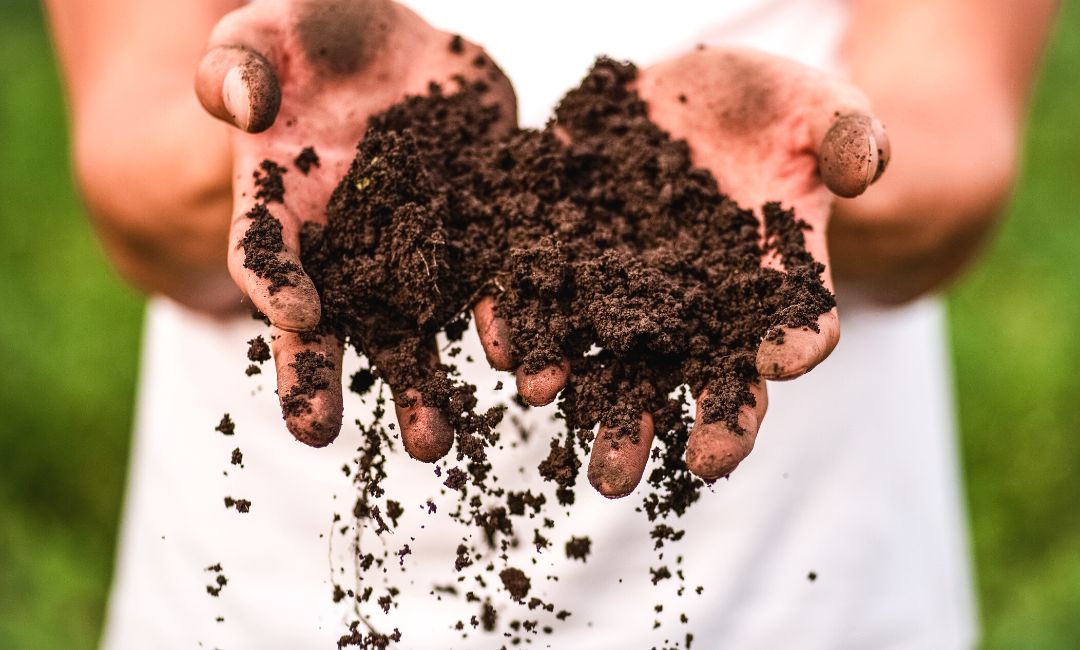
At a chemical level, alcohol acts as a solvent and can influence many physiological processes within plants. It can affect everything from seed germination to nutrient uptake. When alcohol is applied to soil in high concentrations, it disrupts the soil’s microbial ecosystem, which plays a fundamental role in breaking down organic matter and enhancing nutrient availability. This disruption can lead to a condition known as “soil toxicity,” where beneficial microbial life diminishes, causing plants to struggle for essential nutrients.
Conversely, in minimal amounts, ethanol may not exhibit overtly detrimental effects on certain types of plants. Some studies suggest that small concentrations of alcohol can potentially serve as a growth regulator, stimulating certain metabolic pathways that promote root development and overall vigor. For instance, in studies focusing on specific cultivars of plants, a diluted solution of alcohol has been shown to enhance growth rates and encourage more robust root systems. However, these findings are far from unanimous and vary widely based on the plant species selected for experimentation.
The Impact of Alcohol on Soil Microbial Life
The soil ecosystem is a complex web of microorganisms that contribute to the overall health of plants. Alcohol, particularly in higher concentrations, can have a deleterious effect on these microbes, disrupting the essential processes of nitrogen fixation, decomposition, and organic matter turnover. These processes are crucial because they foster an environment conducive to healthy plant growth by ensuring an optimal supply of nutrients.
Research indicates that excessive amounts of alcohol introduce osmotic stress, which can dehydrate microorganisms vital for establishing nutrient cycling in the soil. As these microorganisms die off, they are unable to fulfill their roles, leading to a decline in soil health. This impairment in microbial function can manifest as nutrient deficiencies and stunted plant growth, leading to concerns for farmers and gardeners trying to cultivate healthy crops.
Experiments and Practical Applications
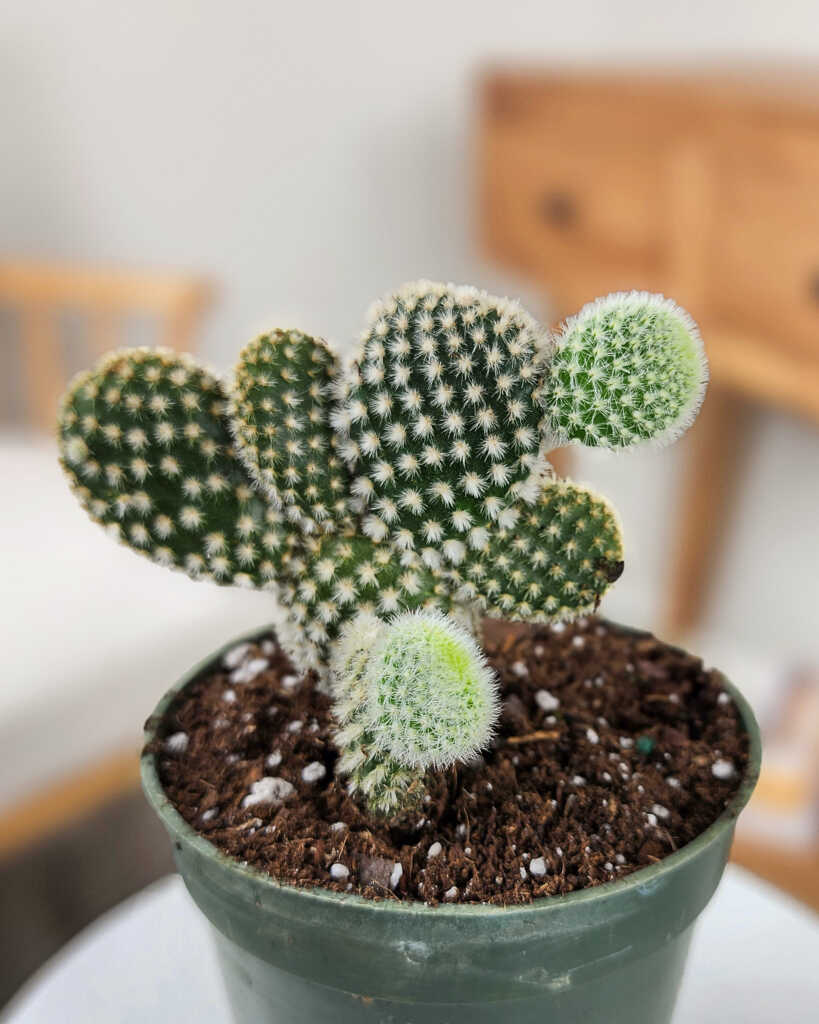
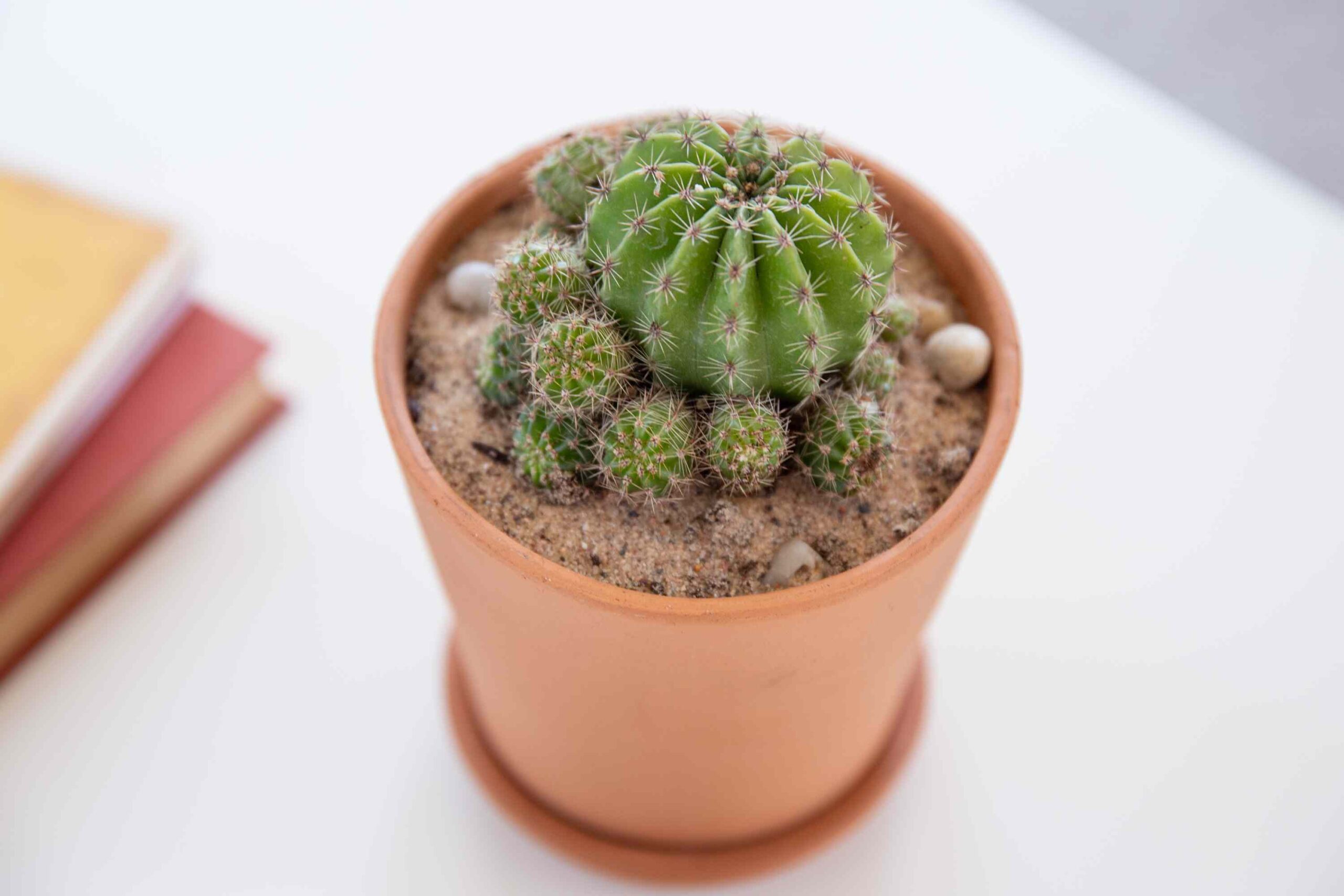
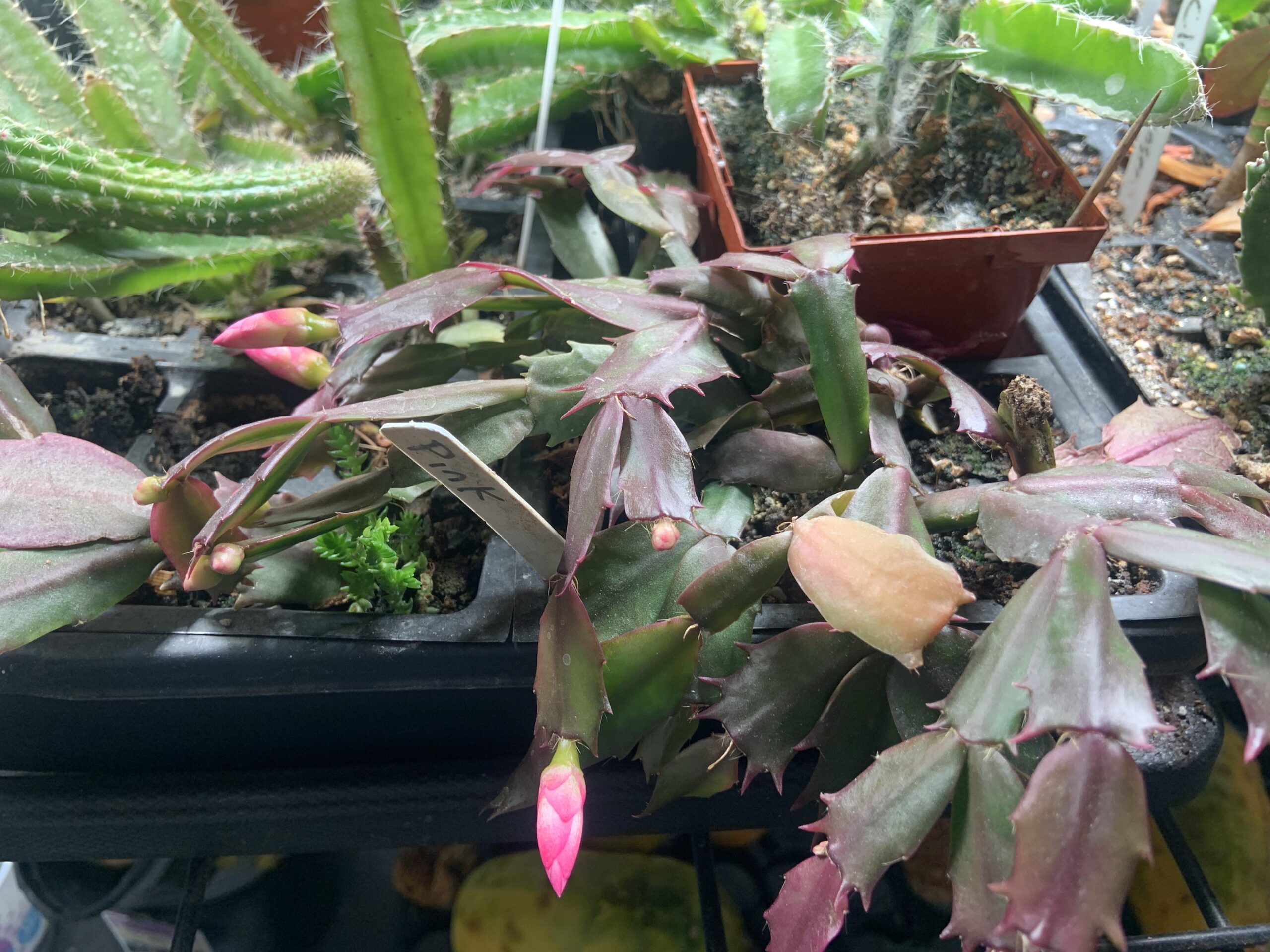
As a part of ongoing research, various experiments have been undertaken to examine the relationship between plants and alcohol. These studies often involve treating plants with different concentrations of alcohol and monitoring their growth metrics, such as height, leaf count, and biomass. Results vary significantly based on the type of plant used. For instance, succulent plants or cacti may demonstrate resilience to certain levels of alcohol, whereas more delicate varieties, such as ferns or flowering annuals, may show signs of distress at even minute applications.
In practical applications, the inclusion of alcohol in gardening practices merits careful consideration. For those interested in testing this unorthodox method, it’s crucial to utilize highly diluted solutions to avoid adverse reactions. A common approach is to create a mixture of water with a small percentage of alcohol, closely monitoring the plant’s response. Observations should be recorded to gauge any growth improvements or setbacks throughout the duration of the experiment.
Possible Benefits: Ethanol as a Tool for Pest Control
Interestingly, beyond its implications for growth, alcohol may hold potential as a pest control agent. Certain concentrations of ethanol can act as an effective repellent for various pests, making it a valuable tool in organic gardening and farming practices. Ethanol’s volatility ensures that its residual effects diminish over time, posing less risk to surrounding beneficial organisms if applied thoughtfully. However, caution is warranted, as increased usage can lead to unintended damage to beneficial insects and soil microbes.
To effectively utilize alcohol in a pest management context, it is imperative to conduct thorough research and trials to ascertain effective dosages. Each plant species might react differently, and maintaining a balanced approach is crucial to minimize harm to beneficial organisms while targeting specific pest populations.
Conclusion: Moderation is Key
When evaluating the impact of alcohol on plant growth, moderation is paramount. While there may be potential benefits under controlled conditions, excessive alcohol levels can lead to significant harm to both plants and the surrounding soil ecosystem. Ultimately, the focus should remain on providing a nurturing environment that encourages strong growth through proper watering, nutrient provision, and pest management. This approach will yield the best outcomes for horticulturists and casual plant lovers alike.
FAQ
Can a plant grow with alcohol in its environment?
High concentrations of alcohol inhibit plant growth by harming soil microbes and disrupting nutrient uptake, but very diluted alcohol may sometimes stimulate growth in certain plants.
Why is alcohol harmful to soil microbes?
Alcohol causes osmotic stress and toxicity to beneficial soil microorganisms responsible for nutrient cycling, which negatively affects plant health.
Is alcohol effective for organic pest control?
Ethanol can repel some pests when used carefully, but excessive use risks damaging beneficial insects and soil health.
What precautions should be taken when using alcohol around plants?
Use diluted alcohol solutions, monitor plant responses closely, and avoid prolonged or high-concentration exposure.
Are there any plants more resistant to alcohol?
Succulents and cacti may be more resilient to low levels of alcohol than more delicate plants like ferns or flowering annuals.
Leave a Reply