
Short Answer
Keeping a cactus plant alive can seem like a daunting task, but with the proper knowledge and techniques, you can offer these fascinating succulents a thriving environment in your home. Cacti, with their diverse appearances and low-maintenance needs, make for great companions. Understanding their specific care requirements is essential for ensuring they not only survive but flourish.
To effectively care for a cactus, one must grasp the nuances of their natural habitat, watering needs, light preferences, and the peculiarities of potting and soil. This article aims to deliver comprehensive guidance on keeping your cactus healthy and vibrant.
Understanding Cactus Background
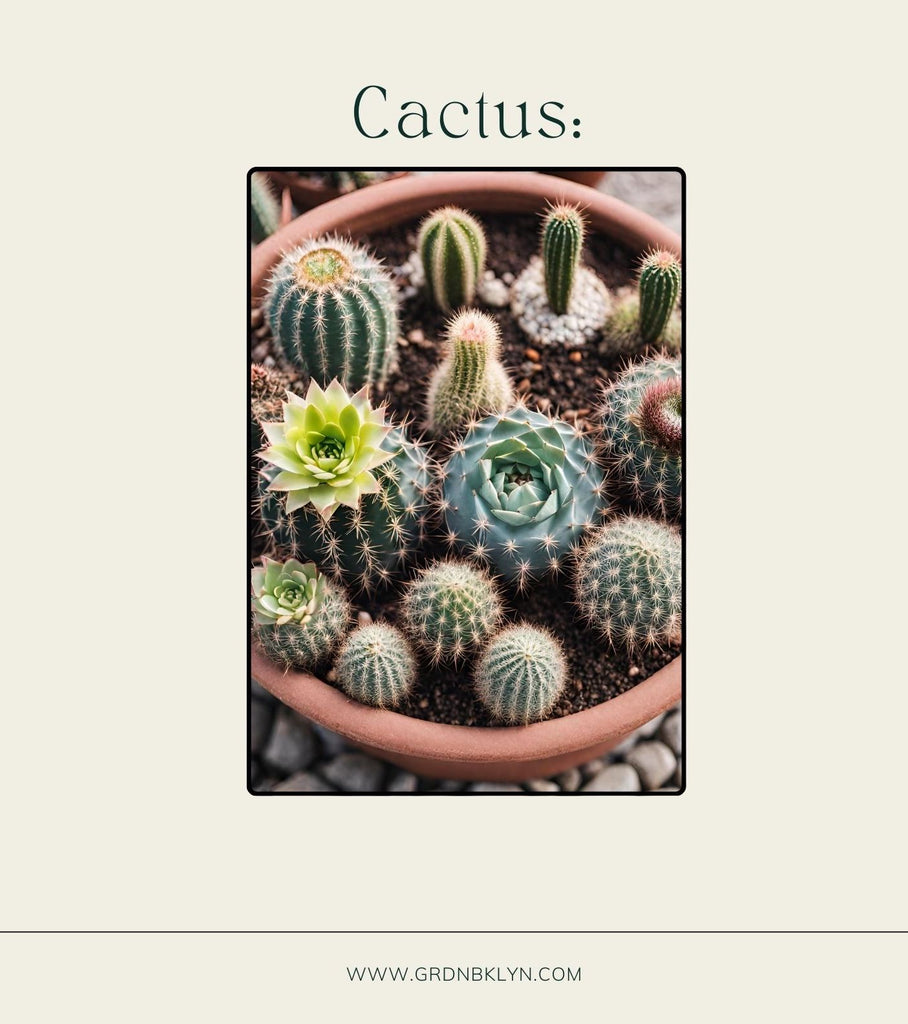
The cactus family, scientifically known as Cactaceae, consists of over 2,000 species. Originating primarily from arid regions, they possess unique adaptations that allow them to thrive in dry conditions. Their thick skin and spines help minimize water loss while providing some protection from herbivores. Additionally, many cacti have evolved to store water in their tissues, giving them a remarkable resilience in the face of drought.
When selecting a cactus for your home, be sure to consider what environment you can realistically offer. Some cacti are more forgiving than others, but others that require specific conditions may become challenging to maintain. Here are key factors that pertain to the backdrop of successful cactus care.
Choosing the Right Cactus for Your Space
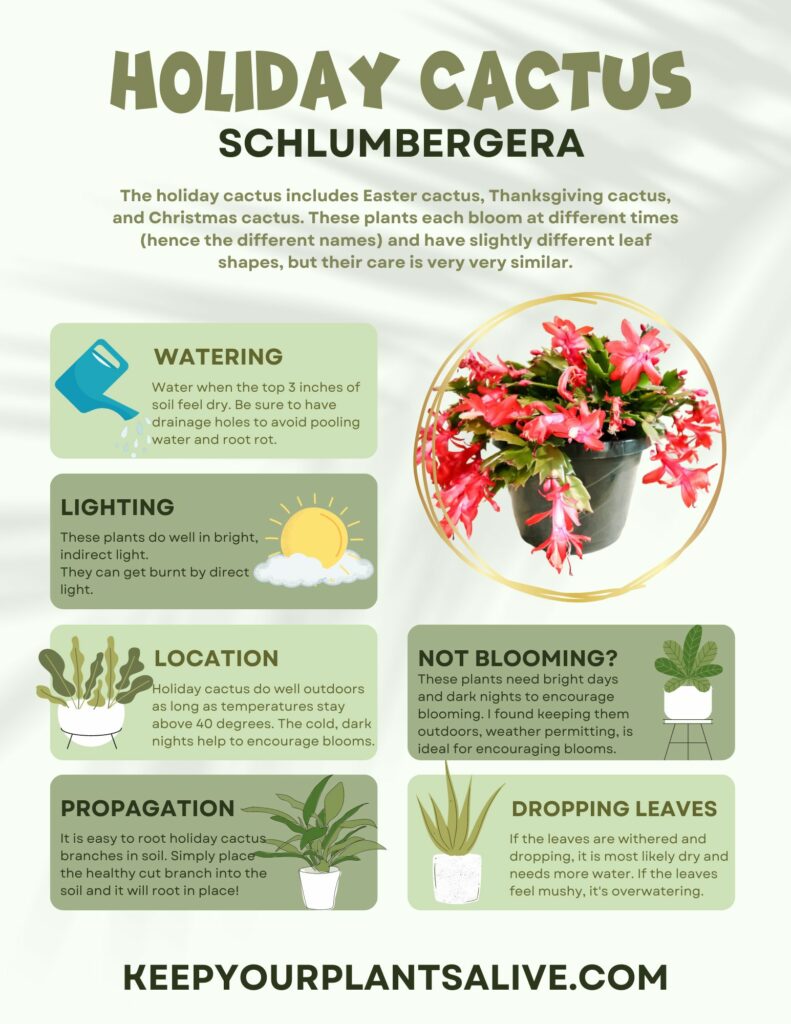
Before diving into the essentials of cactus care, it’s crucial to choose a cactus that suits both your environment and your personal preferences. Popular varieties include the classic Saguaro, the charming Christmas cactus, and the striking Golden Barrel cactus. Researching each type’s specific care requirements will ensure you select a species you’ll love to nurture.
Once you’ve chosen your cactus, the real work begins. This involves understanding their need for suitable sunlight, watering schedules, and optimal soil texture.
Sunlight: The Lifeblood of Cacti
One of the most critical aspects of cactus care is providing the right amount of sunlight. Most cacti require bright, indirect sunlight for at least six hours a day. However, be cautious, as excessive direct sunlight can scorch sensitive species. The ideal location for a cactus is near a south or west-facing window, where they can bask in abundant light.
For those living in regions with intense sunlight, consider using sheer curtains to diffuse the harsh rays. If a cactus starts showing signs of etiolation—growing tall and spindly while losing its vibrant color—this indicates it is reaching for light. Conversely, a cactus that appears bleached may be getting too much direct sun. Always observe your cactus carefully and adjust its placement accordingly.
Watering: Finding the Perfect Balance
Watering is arguably the most critical element when it comes to cactus care, and it often poses the greatest challenge to caregivers. Understanding when and how much to water can prevent overwatering, which is a leading cause of cactus demise. Unlike typical houseplants, cacti have adapted to thrive on minimal moisture.
During the growing season—typically spring and summer—cacti should be watered thoroughly every 2-3 weeks, allowing the soil to dry out completely between waterings. During the dormant period—fall and winter—reduce the frequency of watering to once a month or less. A general rule of thumb is to check the soil’s moisture by sticking your finger into the top inch; if it feels dry, it’s time to water.
When you do water, ensure you do so deeply. This means watering until moisture drains from the bottom of the pot. This technique encourages deep root growth, making the plant more resilient. Use distilled or rainwater if possible; tap water may contain harmful chemicals that can build up in the soil.
Soil: The Foundation of Health
The right soil mixture is paramount to the overall health of your cactus. A well-draining cactus soil mix is ideal, as it allows excess water to escape, preventing root rot. You can create your blend using one part potting soil, one part coarse sand, and one part perlite or pumice. This mix should facilitate aeration while retaining enough moisture to hydrate your plant without suffocation.
When repotting your cactus, always choose a pot with drainage holes to further prevent water accumulation. Over time, a cactus may outgrow its container, necessitating a transfer to a larger pot. Conduct this process during the growing season to minimize shock to your plant.
Pest Management: Vigilance is Key
Although cacti are generally resilient, they can fall victim to pests like mealybugs, spider mites, or aphids. Regularly inspecting your cactus will help identify any infestations early on. Should you spot any pests, treat them immediately with insecticidal soap or a diluted neem oil solution, carefully following application instructions to avoid damaging the plant.
By following these essential tips for cactus care—ranging from selecting the right species to optimizing sunlight exposure, watering schedules, and soil composition—you can cultivate a thriving cactus that can offer a striking aesthetic and bear witness to your growing botanical expertise. With informed attention and consistent care, your cactus will not only survive but become a resilient embodiment of nature’s wondrous adaptations. Let your cactus journey begin, and enjoy the unique pleasure these intriguing plants can bring to your home.
FAQ
How often should I water my cactus?
Water your cactus thoroughly every 2-3 weeks during the growing season, allowing the soil to dry completely between waterings. During dormancy in fall and winter, water once a month or less.
What type of sunlight does a cactus need?
Most cacti require bright, indirect sunlight for at least six hours a day. Avoid excessive direct sunlight to prevent scorching.
What kind of soil is best for cacti?
A well-draining cactus soil mix made from potting soil, coarse sand, and perlite or pumice in equal parts is ideal to prevent root rot.
How do I prevent pests on my cactus?
Regularly inspect your cactus for pests like mealybugs and spider mites. Treat infestations promptly with insecticidal soap or diluted neem oil.
When should I repot my cactus?
Repot your cactus during the growing season when it outgrows its container, using a pot with drainage holes and fresh cactus soil mix.
Leave a Reply