
Short Answer
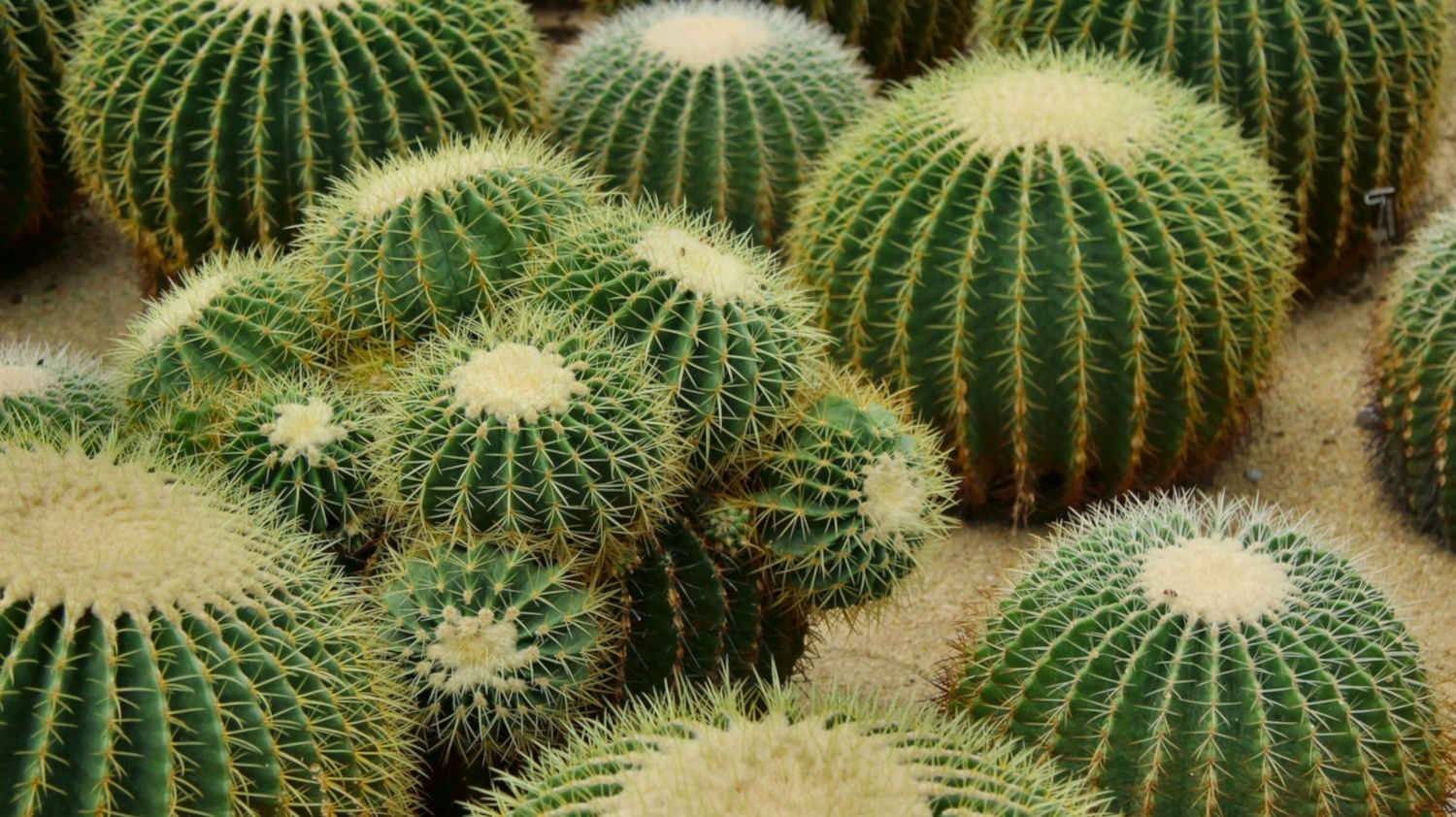
The barrel cactus, with its visually striking cylindrical shape and vibrant spines, is not just a stunning addition to your collection; it’s also a symbol of resilience. Grown primarily in arid environments, the barrel cactus demonstrates remarkable adaptations that allow it to thrive under daunting conditions. Understanding how often to water a new barrel cactus is crucial for its health and longevity. This article delves into the intricacies of watering practices that cater to these remarkable plants.
Before plunging into watering specifics, it’s essential to grasp the biological and ecological nuances of the barrel cactus. Originating from the deserts of North America, these cacti have evolved to store water and withstand long periods of drought. A novice might assume that frequent watering would benefit such plants, but the opposite often holds true. An invalid assessment could lead to overwatering, a common pitfall among cactus enthusiasts, potentially resulting in rot and other maladies. Thus, familiarity with the water needs of a new barrel cactus emerges as a foundational step in its care.
Factors Influencing Watering Frequency
The frequency with which a new barrel cactus should be watered is contingent on several intricate factors, including environmental conditions, seasonality, and the cactus’s growth stage. Recognizing these variables empowers the caretaker to create a tailored watering regimen that aligns with the plant’s innate requirements.
Environmental Conditions
In the wild, barrel cacti thrive in sun-drenched, arid ecosystems. When cultivating these species indoors, the microenvironment markedly influences their hydration needs. Factors like humidity, temperature, and light exposure play pivotal roles. High humidity can result in slower evaporation, necessitating less frequent watering. Conversely, dry indoor air requires a more vigilant approach. For example, during warmer months, when the air is arid, the soil may dry rapidly, calling for an increase in watering frequency compared to the cooler months of winter.
Seasonality
Nature operates in cycles, and so do the watering needs of your barrel cactus. During the growing season, typically from spring through summer, the plant augments its intake of water as it prepares for flowering and new growth. During this time, a more liberal watering schedule is advisable; however, caution stays paramount. Aim to hydrate only when the top inch of soil feels dry to the touch. As temperatures plummet and daylight diminishes in the fall and winter, growth significantly slows, and watering should be drastically reduced, even to sparse infrequent intervals.
Growth Stage
Additionally, understanding the lifecycle stages of a barrel cactus is paramount in determining the appropriate watering frequency. Newly planted cacti are particularly sensitive as they establish their root systems. In their initial months, it’s essential to foster a delicate balance; too much moisture can impede root growth, while too little can lead to dehydration. A newly planted barrel cactus thrives on a twice-monthly watering schedule, adjusting naturally as it becomes acclimatized to its new environment.
Signs of Overwatering and Underwatering
Recognizing the symptoms of overwatering and underwatering can significantly enhance the care of your barrel cactus. Both extremes can manifest themselves through visible cues. A plant in distress may exhibit floppy, soft tissues, yellowing spines, or even blotchy discoloration—all telltale signs of overwatering. In contrast, an underwatered cactus often appears shriveled, with a loss of its characteristic roundness, making it essential to strike a balance.
Optimal Watering Techniques
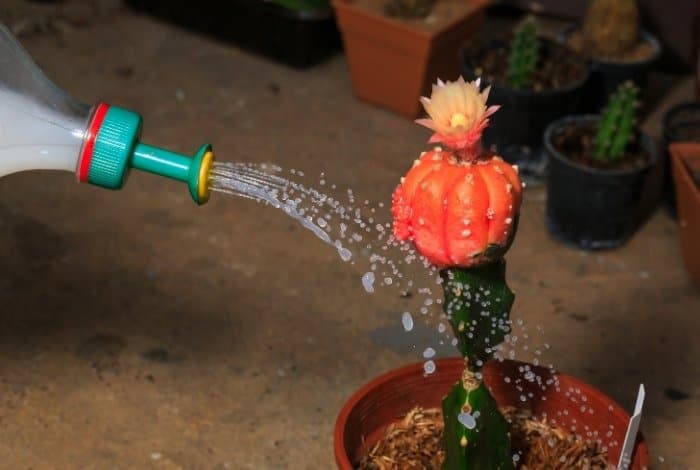
The method of watering is equally significant as the timing. Employing the correct technique can make all the difference in nurturing a robust barrel cactus. Watering deeply and infrequently is the golden rule, allowing the water to reach the root zone rather than simply dampening the surface. When watering, it’s imperative to saturate the soil thoroughly until moisture seeps through the drainage holes of the pot.
Moreover, employing well-draining soil is key, as it prevents water from pooling around the roots. A mixture containing sand, perlite, and potting soil ensures optimal drainage, allowing the barrel cactus to express its resilient nature without the fear of root rot.
Creating a Mesmerizing Display
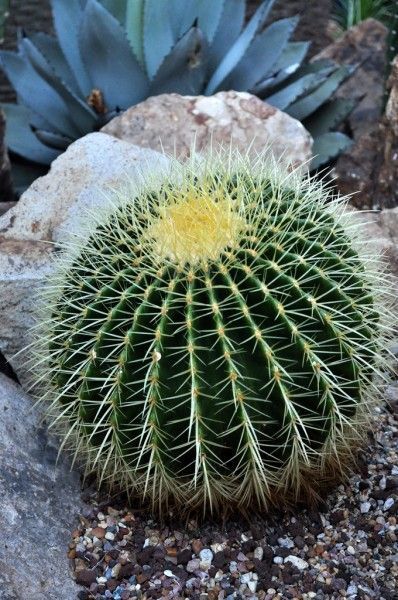
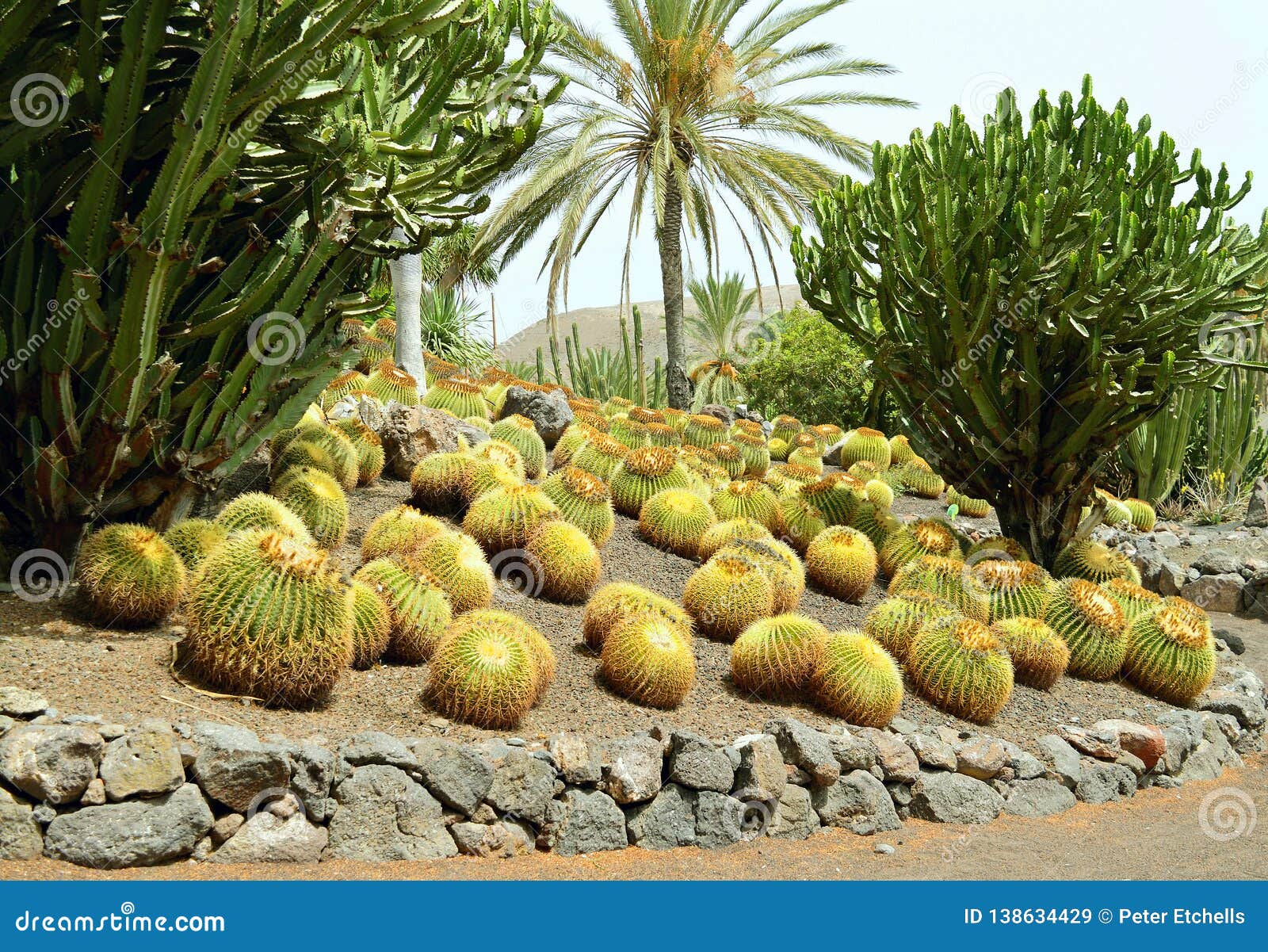
Beyond the care and maintenance of your new barrel cactus lies the joy of incorporating these architectural wonders into your living space. When positioned thoughtfully, a barrel cactus can command attention, becoming a conversation starter and a focal point of aesthetic intrigue. Its characteristic silhouette, coupled with the interplay of light and shadow cast by its spines, weaves a narrative of the desert’s stark beauty.
Incorporating these unique cacti into artistic arrangements, whether individually or as part of a group display, can transform any space. Pairing barrel cacti with contrasting succulents or colorful stones accentuates their allure, celebrating their natural beauty while showcasing one-of-a-kind characteristics, drawing the eye to their striking forms.
Conclusion: A Harmonious Approach to Care
In summary, nurturing a new barrel cactus with an informed understanding of watering frequency intertwines care with appreciation for its bewildering characteristics. The intricacies of environmental factors, seasonal rhythms, and growth stages dictate a methodical approach to watering. With attentiveness to these elements and an eye for aesthetic presentation, the barrel cactus will flourish—becoming both a resilient testament to nature’s ingenuity and a striking visual centerpiece in your home.
FAQ
How often should I water a new barrel cactus?
A newly planted barrel cactus should be watered about twice a month, ensuring the soil dries out between waterings to prevent rot.
Can I overwater a barrel cactus?
Yes, overwatering can cause root rot and other issues; symptoms include soft tissues and discoloration.
Does the watering frequency change with seasons?
Yes, watering should be more frequent during the growing season and reduced significantly during fall and winter.
What type of soil is best for barrel cacti?
Use a well-draining soil mix with components like sand and perlite to prevent water retention.
What environmental factors affect watering needs?
Humidity, temperature, and light exposure influence how often you should water your barrel cactus.

Leave a Reply