
Short Answer
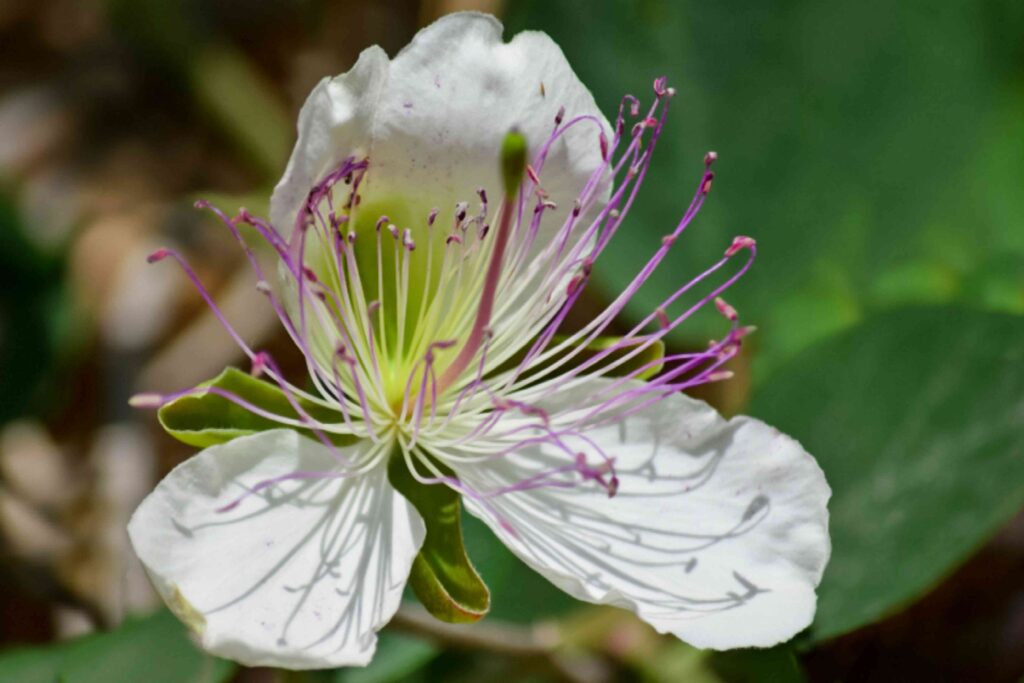
The caper bush, scientifically known as *Capparis spinosa*, is a perennial plant renowned for its unique culinary uses and distinctive flavor. However, understanding the ideal growing zones for this prickly shrub is paramount for anyone looking to cultivate it effectively. This article delves into the optimal climatic conditions and the geographical regions where caper bushes flourish the most, addressing potential buyer concerns about their cultivation.
While caper bushes are primarily known for their edible flower buds and berries used in various cuisines, their cultivation can be somewhat specialized. Those interested in growing capers must be cognizant of the specific conditions required for success, particularly their susceptibility to frost and importance of full sun exposure.
Geographic Range and Ideal Zones
Caper bushes are native to the Mediterranean region, thriving in warm, arid climates. They are particularly well-suited to USDA Hardiness Zones 8 through 11, which encompass regions with moderate winters and dry, hot summers. In these zones, temperatures can range from 10°F to 40°F (-12°C to 4°C) in winter, allowing plants to remain dormant without suffering frost damage.
Zones 8 and 9 are particularly advantageous for caper cultivation. These climates typically experience minimal rainfall, aligning with the plant’s preference for well-drained soil and infrequent watering. Furthermore, areas such as Southern California, parts of Texas, and the coastal Mediterranean climates exemplify ideal growth locales. Their dry summer months mimic the natural habitats of the caper bush, allowing it to thrive and produce an abundance of capers without the risk of rot or fungal diseases.
The Pursuit of Optimal Sunlight
Caper bushes are sun-loving plants that require full sun exposure for at least six to eight hours each day. This aspect is crucial for their growth, as insufficient sunlight can hinder their photosynthetic capabilities, leading to poor foliage development and reduced caper yield.
In regions beyond USDA Zone 11, such as those experiencing colder winters or excessive rainfall, buyers should consider microclimates that may support caper bush growth. Areas with sheltered environments, such as south-facing slopes, provide additional warmth and light, creating suitable conditions for these hardy plants.
Soil Composition and Drainage Requirements
The soil in which caper bushes are planted must exhibit excellent drainage capabilities. Well-draining, sandy or gravelly soils are optimal, as they mimic the caper’s native environment. Heavy clay soils that retain water can lead to root rot, a common affliction affecting caper bushes when they are over-saturated.
For successful cultivation, it is recommended to amend the soil with organic matter, such as compost, to enhance its nutrient profile while maintaining drainage characteristics. Additionally, incorporating perlite or coarse sand can further improve aeration, crucial for root health and plant vigor. It’s also beneficial to assess soil pH levels, with a slightly alkaline range of 7.0 to 8.0 being preferable for caper growth.
Watering Needs and Management
One of the key buyer concerns when embarking on caper cultivation is the plant’s water consumption. Caper bushes are drought-tolerant once established, with a low requirement for supplemental irrigation. Excessive watering can lead to detrimental outcomes, including root rot and reduced plant vigor.
During the establishment phase, regular watering is necessary to help the root system develop. However, as the plant matures, it’s advisable to allow the soil to dry between watering sessions. An effective strategy is implementing a drip irrigation system that delivers water directly to the roots while minimizing evaporation, ensuring optimal moisture levels without over-saturation.
Coping with Temperature Variations
While caper bushes exhibit remarkable frost resistance, they are not entirely immune to extreme conditions. In areas where winters dip below 10°F, buyers should consider protective measures during the coldest months. Mulching around the base of the plant can help insulate roots against low temperatures and fluctuating weather patterns. Covering plants during unexpected frost events can also safeguard delicate flower buds, preserving the subsequent harvest.
Harvesting and Maintenance Considerations
Successful cultivation of caper bushes culminates in the harvesting of their coveted flower buds. Timing is essential, as capers are best harvested in the early morning just before the buds bloom. This ensures maximum flavor profile and texture. Moreover, proper maintenance practices, including periodic pruning, can enhance air circulation and promote bushier growth, resulting in a more bountiful harvest.
In conclusion, understanding the optimal growing zones, water management, and soil requirements is crucial for cultivating caper bushes effectively. By addressing these key buyer concerns and creating an environment that mimics their native habitats, enthusiasts can enjoy the flavorful bounty that caper bushes offer, enriching their culinary experiences and expanding their gardening repertoire.
FAQ
What USDA zones are best for growing caper bushes?
Caper bushes thrive best in USDA Hardiness Zones 8 through 11, which provide the warm, dry climates they prefer.
How much sunlight does a caper bush need?
Caper bushes require full sun exposure for at least six to eight hours per day to grow and produce abundantly.
What type of soil is ideal for caper bush cultivation?
Well-draining sandy or gravelly soil with a slightly alkaline pH (7.0 to 8.0) is ideal to prevent root rot and support healthy growth.
How should caper bushes be watered?
They require regular watering during establishment but are drought-tolerant once mature; soil should be allowed to dry between watering to avoid root rot.
Can caper bushes survive frost?
Caper bushes tolerate mild frost but require protection such as mulching or covering if temperatures drop below 10°F.


Leave a Reply