

Short Answer
In the arid landscapes of the desert, where survival is intricately tied to fortitude and adaptability, the Prickly Pear stands out as a beacon of resilience. This remarkable cactus, belonging to the Opuntia genus, is a masterful embodiment of nature’s ingenuity. For those who traverse the unforgiving terrains of desert ecosystems, the story of the Prickly Pear promises to shift perspectives and evoke curiosity about its myriad properties and benefits.
Resilient by nature, the Prickly Pear is often overlooked, yet it serves a multitude of roles in the ecosystem and human life. Often characterized by its flat, paddle-like stems and vibrant fruits known as tunas, this plant not only thrives in extreme conditions but also offers a wealth of nutritional and medicinal attributes. Let’s delve deeper into the fascinating world of the Prickly Pear and understand why it deserves a spotlight in any discussion regarding desert flora.
Understanding the Anatomy of the Prickly Pear
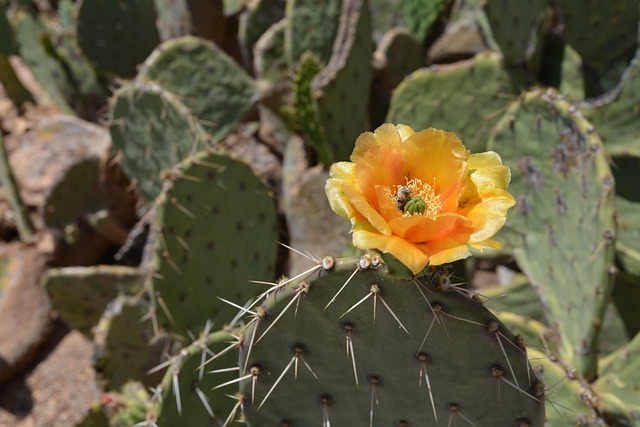
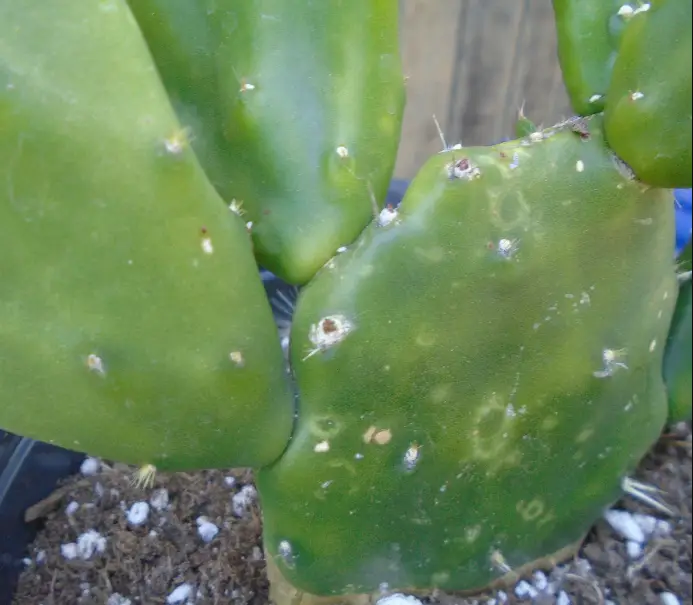
The Prickly Pear flaunts a distinctive morphology that allows it to adapt effortlessly to drought-stricken environments. Its flattened pads, or cladodes, serve as both stems and leaves, facilitating photosynthesis while minimizing moisture loss. The presence of tiny, hair-like spines known as glochids can deter herbivores, an evolutionary adaptation that enhances the plant’s chances for survival.
Flowering occurs in spring. The blossoms, emerging from the edges of paddles, offer a stunning display of colors ranging from yellow to deep magenta. Following pollination, the vibrant fruits that develop provide nourishment for various wildlife, including birds and mammals, effectively weaving the Prickly Pear into the fabric of its habitat.
Distribution and Habitat Adaptations
Primarily found in North and South America, the Prickly Pear has become synonymous with dry, arid environments but also demonstrates versatility in various climates. These cacti can often be spotted on rocky slopes, grasslands, and disturbed sites, showcasing their capability to thrive in less-than-ideal soil conditions. Their root systems tend to expand laterally to capture as much moisture as possible during sporadic rain, illustrating a well-honed mechanism of resilience.
Intriguingly, certain species of Prickly Pear have evolved to withstand frigid temperatures, thereby expanding their geographical realm beyond deserts into temperate regions. This adaptability prompts contemplation: how does such a seemingly delicate structure endure the extremes of its environment? The answer lies in its remarkable biochemical processes, which have evolved over millennia.
The Multifaceted Uses of Prickly Pear
The cultural significance of the Prickly Pear extends far beyond its biological credentials. For centuries, indigenous communities have revered this cactus not just as a source of sustenance but also as a vital component of their cultural identity. The fruit, or prickly pear, is a culinary delight used in a variety of dishes—from refreshing juices to exquisite jams. Rich in vitamins C and K, minerals, and antioxidants, this fruit is celebrated for its health-promoting benefits.
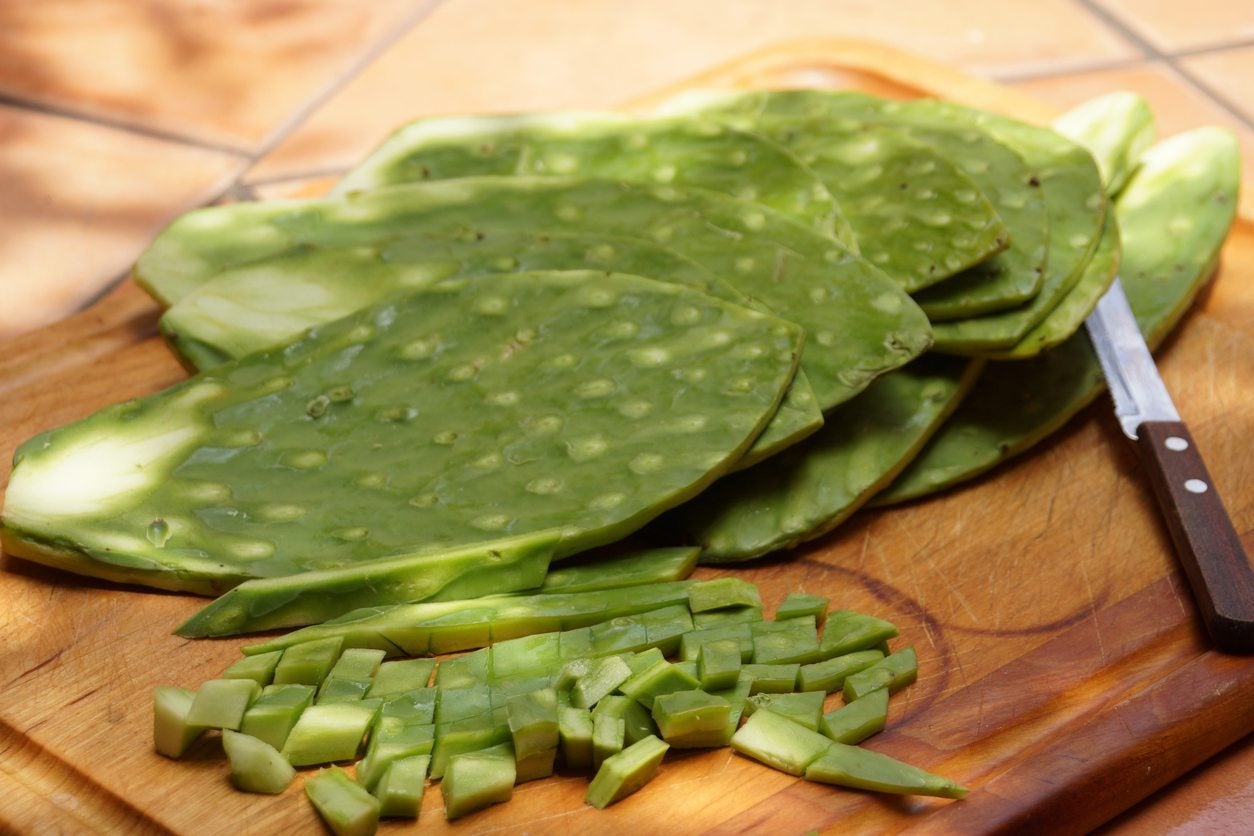
Moreover, the pads of the Prickly Pear are edible and have garnered attention for their unique flavor and texture. Incorporating them into salads or sautéed dishes transforms meals into a celebration of nature’s bounty.
In addition to their culinary applications, the medicinal qualities of Prickly Pear are noteworthy. Traditionally, the plant has been utilized in folklore to treat ailments such as diabetes, respiratory issues, and inflammation. Modern studies have begun to explore these claims scientifically, unveiling its potential hypoglycemic properties and ability to lower cholesterol levels. Thus, the Prickly Pear emerges not just as a mere plant but as a holistic remedy that bridges traditional knowledge with contemporary health insights.
Environmental Contributions and Ecological Benefits
The ecological role of the Prickly Pear within its habitat cannot be overstated. This cactus provides critical shelter and sustenance for numerous desert-dwelling creatures. Small mammals, birds, and insects find refuge among its spines, while nectar from its flowers attracts pollinators that are crucial for floral biodiversity. Furthermore, the Prickly Pear stabilizes soil with its extensive root structure, thereby preventing erosion in fragile desert ecosystems.
Such symbiotic relationships highlight the interconnectedness of life within desert environments. As urban expansion and climate change threaten these ecosystems, understanding the vital contributions of the Prickly Pear could inspire conservation efforts and emphasize the need to preserve natural habitats.
Future Perspectives: The Ongoing Fascination with Prickly Pear
As we immerse ourselves in the world of the Prickly Pear, it becomes increasingly evident that this resilient cactus is more than a mere plant amidst stark surroundings; it is a symbol of survival and adaptation. With the looming threats posed by climate change, the necessity to study and appreciate such flora is critical. The Prickly Pear inspires questions about sustainability, resource use, and the ability of life to endure adversities.
From sustainable agricultural practices utilizing its nutritional properties to innovative applications in skincare, the Prickly Pear’s potential seems boundless. As we nurture curiosity and broaden our perspectives about desert plants, we inevitably unveil layers of knowledge about resilience, nourishment, and ecological balance. The Prickly Pear is thus a reminder that even in the most unforgiving landscapes, life can flourish, adapt, and continue to inspire future generations. While it may be easy to disregard the simplicity of each prickly pad, profound lessons in survival and sustainability lie within, urging us to delve deeper.
FAQ
What is a Prickly Pear cactus?
The Prickly Pear cactus is a member of the Opuntia genus characterized by its flat, paddle-like stems and edible, colorful fruits called tunas.
Where does the Prickly Pear cactus grow?
It primarily grows in arid and semi-arid regions of North and South America, including deserts, rocky slopes, and grasslands.
Are Prickly Pear fruits edible and nutritious?
Yes, the fruits are edible and rich in vitamins C and K, minerals, and antioxidants, making them beneficial for health.
What are the ecological benefits of the Prickly Pear?
It provides shelter and food for wildlife, attracts pollinators, and stabilizes soil to prevent erosion in desert ecosystems.
Does the Prickly Pear have medicinal uses?
Traditionally, it has been used to treat ailments like diabetes and inflammation, and modern research supports some of its health benefits.


Leave a Reply