
Short Answer
Have you ever wondered what it feels like to witness a rare desert jewel burst into bloom—right in your own home? Discocactus, an intriguing and elusive genus within the cactus family, poses an enchanting challenge to every plant enthusiast: coaxing its elusive flowers into full glory. Known for their captivating, often ephemeral blooms, these cacti demand not only patience but also a nuanced understanding of their unique needs. Let’s embark on an exploration of Discocactus flowering, shedding light on what to expect and the meticulous care required to encourage and sustain these exquisite floral displays.
The Allure of Discocactus Flowers: A Bloom Like No Other
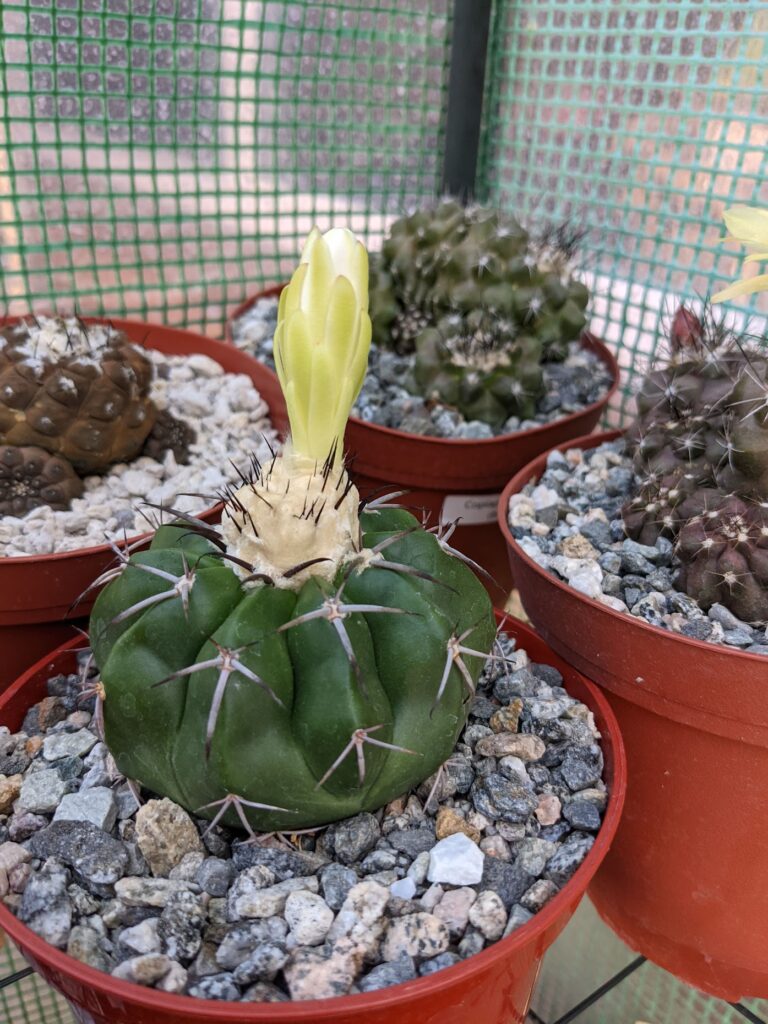
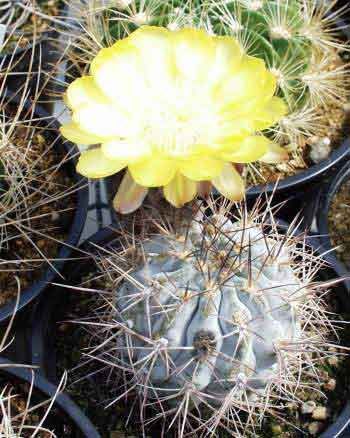
Few plants summon as much mystique as the Discocactus when they flower. Unlike the flamboyant petals of many garden flowers, Discocactus blooms are startling in their delicate elegance. Often nocturnal, these blossoms open under the moonlight and close before the harsh rays of the sun, weaving a natural spectacle that’s as fleeting as it is beautiful. Their silky white petals often contrast dramatically with the vibrant green, spiny ribbed body of the cactus, creating an ethereal effect that heightens their rarity and desirability.

This brief flowering period challenges even seasoned growers, making each bloom an event of quiet awe and reward.
Understanding the Flowering Cycle: Timing is Everything
Discocactus species have a highly specific flowering rhythm tied intricately to their native environments. Typically, these cacti bloom during the warmer months, often between June and August, when conditions mimic their arid, tropical habitats. However, the exact timing can vary and hinges heavily on precise environmental cues such as temperature fluctuations, humidity levels, and the photoperiod—the length of day versus night.
Mastering this temporal dance requires vigilance. One must replicate subtle seasonal changes within a cultivated setting to coax the plant toward blossom. This involves adjusting light exposure to simulate longer summer days and ensuring a proper rest period during cooler times to signal dormancy, which is crucial for triggering the flowering phase.
Optimal Lighting Conditions: Mimicking the Tropics
Discocactus originates from the savannahs and tropical dry forests of South America, where filtered sunlight reigns supreme. Providing direct, harsh midday sun is often a recipe for stress and setback. Instead, these cacti thrive under bright—but diffused—light.
A strategically positioned east- or west-facing window often provides the delicate balance between light and shade, ensuring that the plant receives enough illumination for photosynthesis without suffering sunburn. For those growing Discocactus indoors or in climates with less natural light, supplemental grow lights with a spectrum optimized for succulents can bridge the gap.

Adjusting light exposure gradually helps the cactus acclimate and reduces the likelihood of photoinhibition—an often overlooked phenomenon that can sabotage flowering.
Watering Practices: The Delicate Balance Between Parched and Saturated
Watering Discocactus is an exercise in restraint and timing. Overwatering is arguably the most common fatal error, leading to root rot and fungal infections. Yet, insufficient moisture can stunt growth and deprive the plant of the strength to bloom.
During the active growth and flowering period, water sparingly but consistently. The goal is to keep the substrate slightly moist, allowing it to dry out thoroughly between watering sessions. Use well-draining soil—preferably a sandy or gritty mix infused with perlite or pumice—to prevent waterlogging.
In the dormant phase, typically the cooler months, water restrictively or cease altogether, mimicking the natural droughts of its native habitat. This rest is vital for triggering the biochemical pathways that lead to flowering in the subsequent season.
Temperature and Humidity: Crafting a Microclimate
Discocactus flourishes in warm, stable temperatures. Ideally, daytime temperatures range between 75°F and 85°F (24°C to 29°C), with nights no lower than 55°F (13°C). Sudden extremes—whether cold snaps or scorching heatwaves—can cause stress, halting budding and bloom development.
Humidity should be moderate; too much moisture in the air promotes fungal issues, while excessively dry conditions can desiccate flowers and stifle growth. Using a humidity tray or a room humidifier can help maintain balance without soaking the plant’s environment.
Feeding the Flowering Machine: Nutrition for Blooms
Discocactus plants are not greedy, but they do appreciate judicious feeding that supports the energetically expensive process of flowering. During the growth period, a balanced fertilizer with low nitrogen and higher phosphorus content fosters robust root and flower development.
Frequent feeding is unnecessary, but a monthly application of a diluted cactus fertilizer during the spring and summer primes the plant for bloom production. Avoid the temptation to overfeed; nutrient buildup can harm roots and divert energy away from flowering.
Recognizing and Addressing Common Blooming Challenges
Even with optimal care, flowering Discocactus may encounter hurdles. Bud drop—where flower buds shrivel and fall prematurely—is often a sign of stress, typically from inconsistent watering, sudden temperature shifts, or pest infestation.
One notorious culprit is the mealybug, which weakens the plant by siphoning sap and can be difficult to eradicate. Early detection and treatment with insecticidal soap or neem oil are crucial.
Another common challenge is etiolation, or the elongation of the cactus due to insufficient light, which can result in weak flowering or no blooms at all. Regularly rotating the plant and adjusting its position in relation to light sources can prevent this.
Patience and Observation: The Grower’s Best Allies
Perhaps the greatest lesson in nurturing Discocactus to flower is patience. This cactus demands respect not only for its slow growth but for its selective blooming habits. Diligent observation—recording watering schedules, light exposure, and temperature variations—yields insights that refine care strategies over time.
Celebrate each bud, each petal unfurling in the moonlight, as a victory earned through attentive and loving cultivation. These blossoms are not merely flowers; they are fleeting rewards from a complex natural rhythm mirrored in your stewardship.
Continual Care Post-Flowering: Ensuring Future Success
After the blooms fade, it’s essential to shift care back to recovery and maintenance. The plant expends significant resources during flowering, and a period of reduced watering and minimized disturbance helps replenish its energy reserves.
Pruning spent flowers and checking root health prevent decay and prepare the cactus for the next growth cycle. With each flowering season, the bond between grower and plant deepens, nuanced by attentiveness and shared experience.
In the enigmatic world of Discocactus, flowering is not merely a biological event—it’s an intricate dance between plant and caretaker. Embrace the challenge and marvel at the marvel of nature’s artistry, preserved in those delicate and transient blooms.
FAQ
What is a Discocactus?
Discocactus is a genus of cacti known for their unique and often ephemeral flowers, typically blooming at night.
How often do Discocactus bloom?
Discocactus typically bloom during the warmer months, often between June and August.
What are the ideal growing conditions for Discocactus?
Discocactus thrive in bright, diffused light, warm temperatures, and require careful watering to prevent root rot.

Leave a Reply