
Short Answer
The vibrant prickly pear, a unique fruit from the Opuntia cactus, captivates the attention of many not only for its flamboyant exterior but also for its plethora of culinary and health benefits. As interest in diverse dietary choices burgeons, prickly pear has emerged as a topic of intrigue in the realm of superfoods. Understanding whether you can eat prickly pear, along with its benefits and preparation methods, can enrich your culinary repertoire.
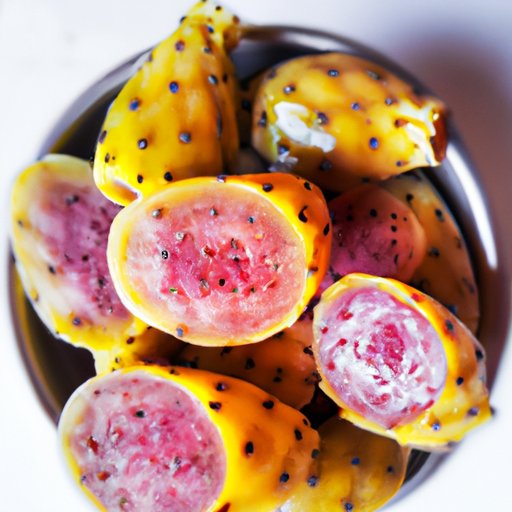
Prickly pear, also known as tuna or nopales within culinary contexts, is native to the Americas and is found in arid regions where many other fruits fail to thrive. Its sweet, succulent flesh and striking magenta hue create an inviting presentation, rendering it an appealing addition to both sweet and savory dishes. Such characteristics often provoke an underlying curiosity about its edibility and multifaceted utility.
While some might be daunted by its spiky exterior, the edible flesh and seeds of prickly pear are delicious and nutritious. Understanding the potential this fruit offers not only as a food source but as a health-enhancing ingredient may alter the perspective of those unfamiliar with its consumption.
The question remains: Can you eat prickly pear? The straightforward answer is a resounding yes, but this assertion is buttressed by an exploration of its attributes and usage in culinary traditions.
Here’s an opportunity to delve into the diverse dimensions of prickly pear, its health benefits, and the myriad ways to incorporate it into your diet.
The Allure of Prickly Pear: An Edible Adventure
Prickly pear is more than just a tantalizing treat; it represents a confluence of nature’s ingenuity and culinary creativity. Its distinctive sweet flavor, reminiscent of a blend between watermelon and kiwi, offers a refreshing contrast to many conventional fruits. The fascination with prickly pear goes beyond taste. Cultural traditions, particularly in regions where it is harvested, showcase its versatility across various culinary landscapes, transcending mere consumption. From traditional Mexican cuisine, where it is adorned in tacos or salads, to modern smoothie bowls, the applications of prickly pear are limited only by imagination.
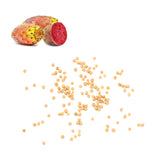
To consume prickly pear safely, it is crucial to remove the outer skin and spines, as they can pose a risk to the unwary. The flesh, typically either red or green, can be cut into cubes or pureed into beverages. This fruit can also be preserved in the form of jams, jellies, and syrups, allowing its unique flavor to be enjoyed year-round.
Nutritional Profile: A Powerhouse of Goodness
Beyond its palatable qualities, prickly pear is embedded with an impressive array of nutritional benefits that warrant attention. Rich in vitamins C and E, it grows within the category of fruits that can bolster the immune system. The presence of antioxidants is substantial, providing a shield against oxidative stress and inflammation.
In addition, prickly pear boasts a low glycemic index, making it an excellent choice for those who are managing blood sugar levels. Its fiber content is another noteworthy aspect; dietary fiber plays a crucial role in maintaining digestive health, providing a sense of fullness, and aiding in weight management. The insides of prickly pear contain mucilage, a gel-like substance that can help protect against indigestion.
The array of beneficial compounds found in prickly pear aligns with the burgeoning interest in gut health and overall wellness. These chemical constituents, including flavonoids and betalains, may present protective benefits, reducing risks associated with chronic diseases.
All things considered, the consumption of prickly pear provides not just gastronomic pleasure but myriad health advantages as well.
Preparation Techniques: Embracing the Cactus in Your Kitchen
Acquiring prickly pear is only the first step; the next is preparing it for delightful consumption. The initial process involves meticulous handling to avoid the tiny glochid spines that can cling to the skin and be exceedingly irritating. Wearing gloves is advisable when peeling this delicate fruit.
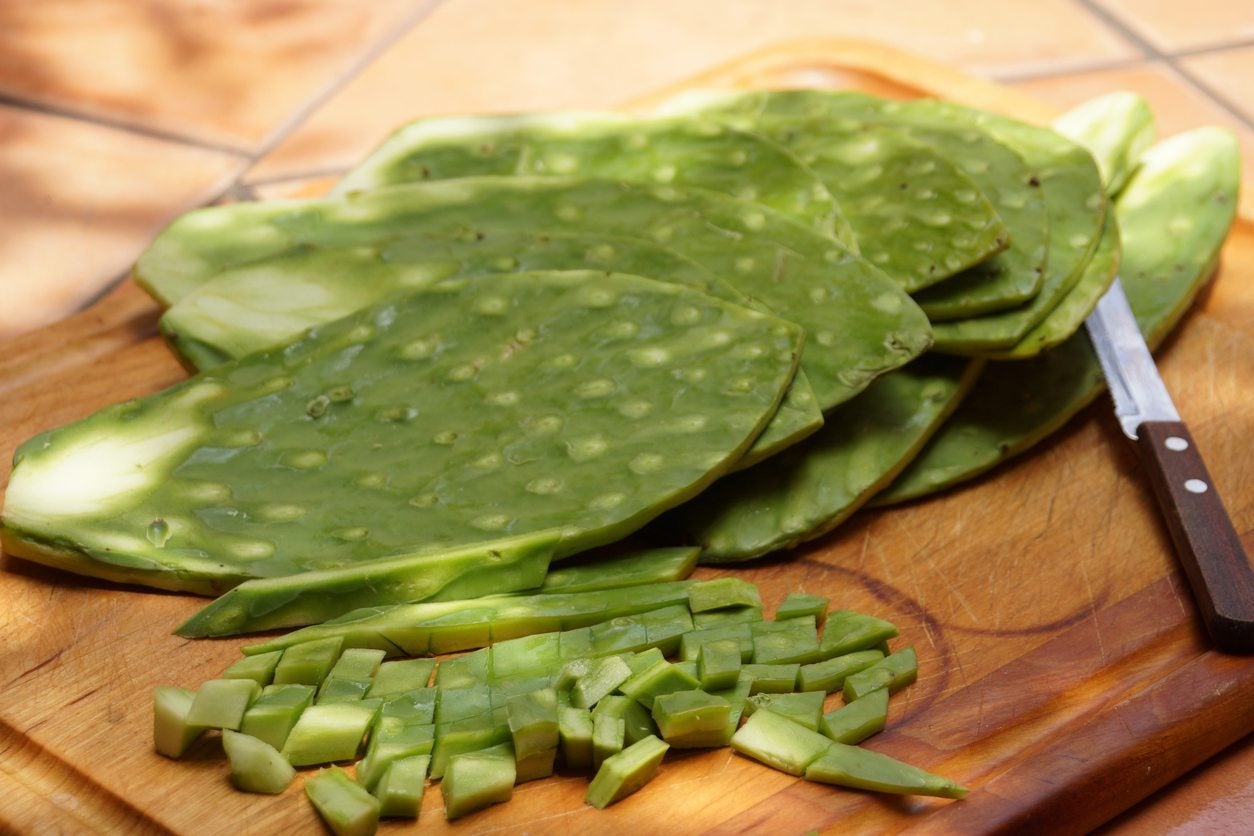
After peeling, the vibrant pulp can be cubed or blended into smoothies. It can also be incorporated into salads for a colorful and nutritious touch. Boiling or grilling the pads of the prickly pear cactus, known as nopales, can present added texture and flavor in various dishes. These can be included in egg scrambles, tacos, or served as a tangy side dish seasoned with lime and salt. Furthermore, the use of prickly pear in beverages, like cocktails or refreshing mocktails, has gained popularity, as the fruit lends its vivid color and sweetness to enhance flavor profiles.
Aside from standard preparations, experimental culinary enthusiasts may consider creating prickly pear-infused syrups or incorporating it into dressings and marinades, embracing creativity in the kitchen.
Conclusion: Embracing the Prickly Pear Experience
In conclusion, the question, “Can you eat prickly pear?” opens the door to a broader exploration of this captivating fruit’s significance. From nutrition to preparation, prickly pear encompasses a diverse range of culinary possibilities and health benefits. Its hypnotic charm not only satisfies the palate but also serves as a functional component in health and wellness.
As you embark on this gastronomic journey, the prickly pear invites you to explore its latent elements and delight in the rich tapestry it weaves through various cultural dishes and health practices. Experimenting with prickly pear can yield delightful surprises, unraveling its many layers and revealing the fascinating stories behind this remarkable fruit. Whether you’re savoring it in its natural state or incorporating it into exceptional dishes, this cactus fruit is a worthy addition to any diet.
FAQ
Can you eat prickly pear?
Yes, prickly pear fruit and pads are edible after carefully removing the spines and outer skin.
What health benefits does prickly pear offer?
It contains vitamins, antioxidants, and fiber that support immune health, digestion, and may help regulate blood sugar.
How do I safely prepare prickly pear?
Wear gloves to peel off the spiny skin, then slice or puree the flesh for consumption.
Are prickly pear pads edible?
Yes, the pads, known as nopales, can be boiled or grilled and used in various dishes.
Leave a Reply