
Short Answer
Watering plants is a quintessential aspect of plant care that can significantly impact their growth and overall health. While many plant enthusiasts might ponder when the best time to water is—morning or evening—the answer can actually vary based on a multitude of factors. A deliberate analysis of environmental conditions, types of plants, and specific watering techniques reveals nuances that can help both novice and seasoned gardeners optimize their routines.
In this exploration, we shall delve into several significant aspects related to the timing of watering plants, examining the benefits and drawbacks associated with both morning and evening watering practices.
The Science Behind Plant Watering
Before delving into the timing of watering, it is essential to understand the basic physiological and biological processes that govern plant needs. Plants engage in a process known as transpiration, where water is absorbed by their roots and evaporated into the atmosphere through small pores called stomata. This process is vital because it helps to maintain nutrient flow and regulates temperature within the plant.
Factors influencing transpiration rates include ambient temperature, humidity, and air movement. Consequently, understanding these elements can significantly inform the gardener’s decision regarding the optimal time for watering.
Morning Watering Advantages
One of the most widely advocated practices is watering plants in the early morning hours. This recommendation is grounded in several beneficial aspects:
Reduction in Evaporation Loss
During the morning, the air is often cooler, and humidity levels are generally higher. This environment minimizes the evaporation of water applied to the soil, ensuring that a more significant amount of moisture is absorbed by plant roots.
Ideal Conditions for Root Absorption
Watering in the morning allows plants to hydrate before the heat of the day takes its toll. When a plant is watered early, it can absorb moisture efficiently, which is crucial for maintaining cellular turgor and facilitating nutrient uptake throughout the day.
Enhanced Disease Prevention
Another compelling argument for morning watering lies in its potential to avert fungal diseases, which often thrive in warm, damp conditions. By watering in the morning, the foliage has ample time to dry throughout the day, hence reducing the likelihood of pathogen proliferation.
Evening Watering Benefits
On the other side of the spectrum, watering plants in the evening has its specific merits worth considering:
Convenience in Time Management
For gardeners with busy schedules, evening watering can be more convenient. The cooler temperatures of the evening reduce the necessity of quick watering expeditions, allowing for a more relaxed gardening experience.
Continued Hydration Into the Night
Evening watering can provide your plants with a consistent supply of moisture overnight when temperatures drop, as it encourages the soil to retain water longer. This can be particularly vital for specific types of plants that benefit from consistent moisture levels, such as tropical varieties and newly transplanted specimens.
Potential Drawbacks of Evening Watering
While watering in the evening has its conveniences, it also comes with notable caveats:
Increased Risk of Fungal Diseases
When water settles on plant foliage overnight without adequate drying time, it can create an environment conducive to fungal infections. This is particularly true in climates with high humidity, where water droplets can sit stagnant on leaves for extended periods, allowing pathogens to thrive.
Water Drainage Challenges
In many gardens, especially those that are not well-drained, evening watering may exacerbate drainage problems. Watering in the cool evening can lead to water pooling around plant roots, leading to potential root rot and declining health.
Types of Plants and Their Watering Needs
The watering needs of plants can vary considerably by type, which must be considered when deciding the best time to water:
Succulents and Cacti
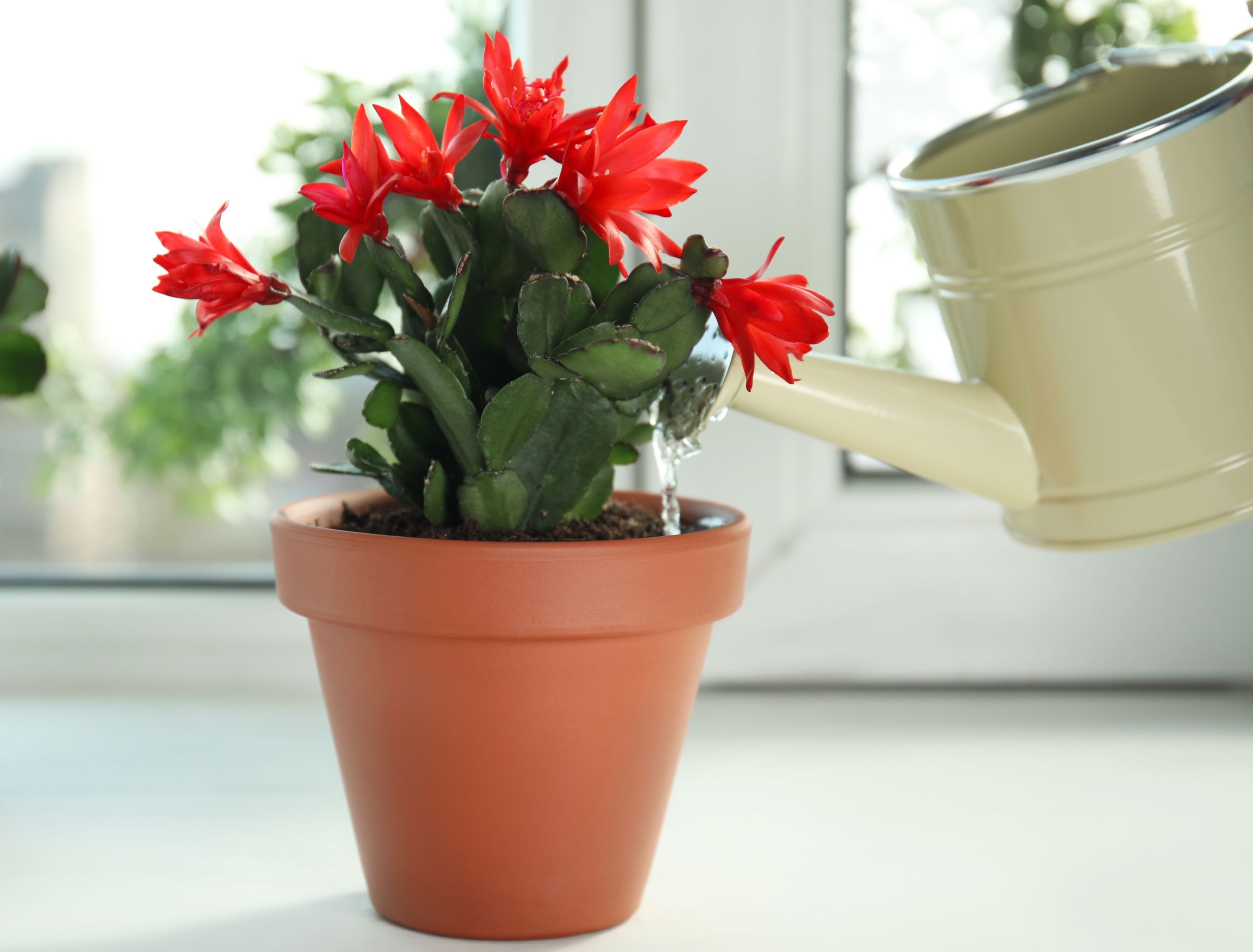
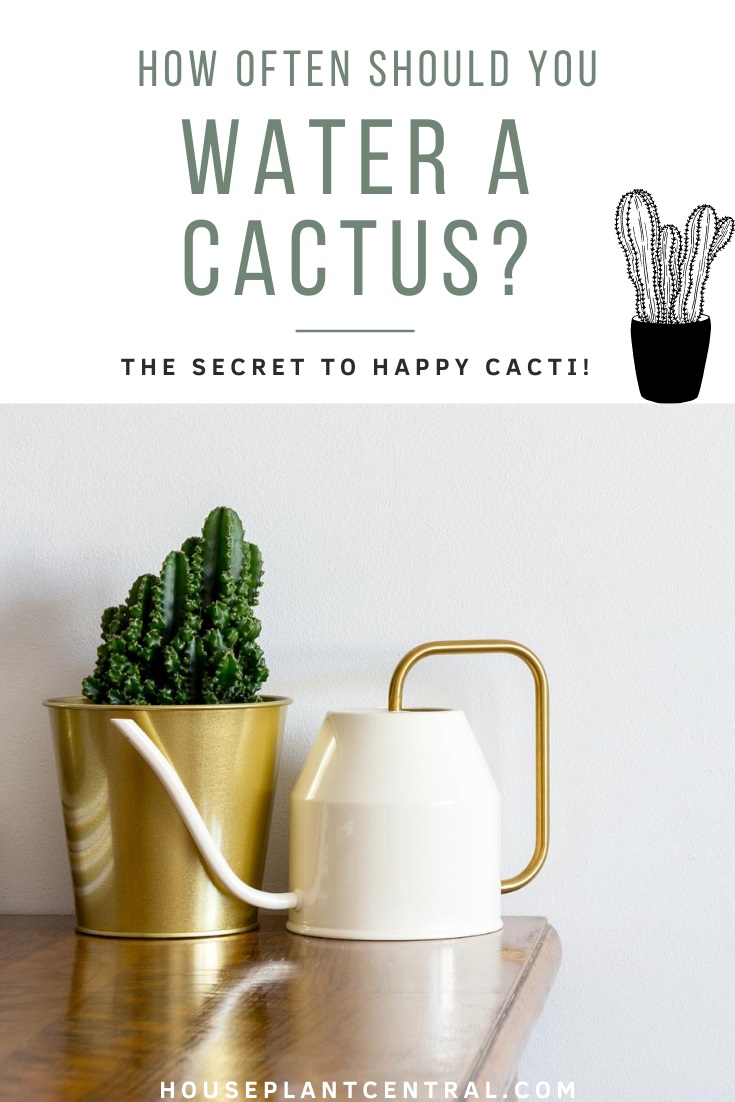
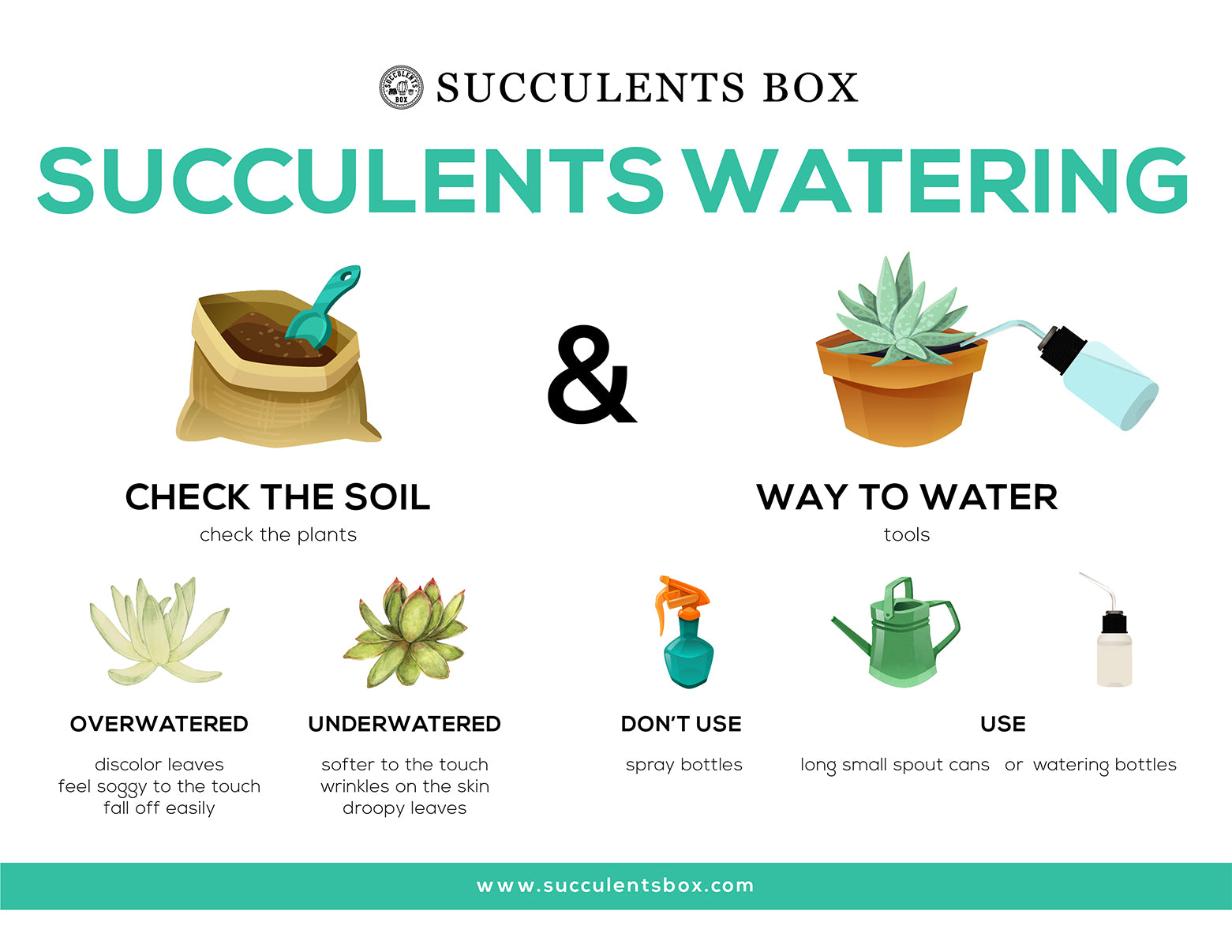
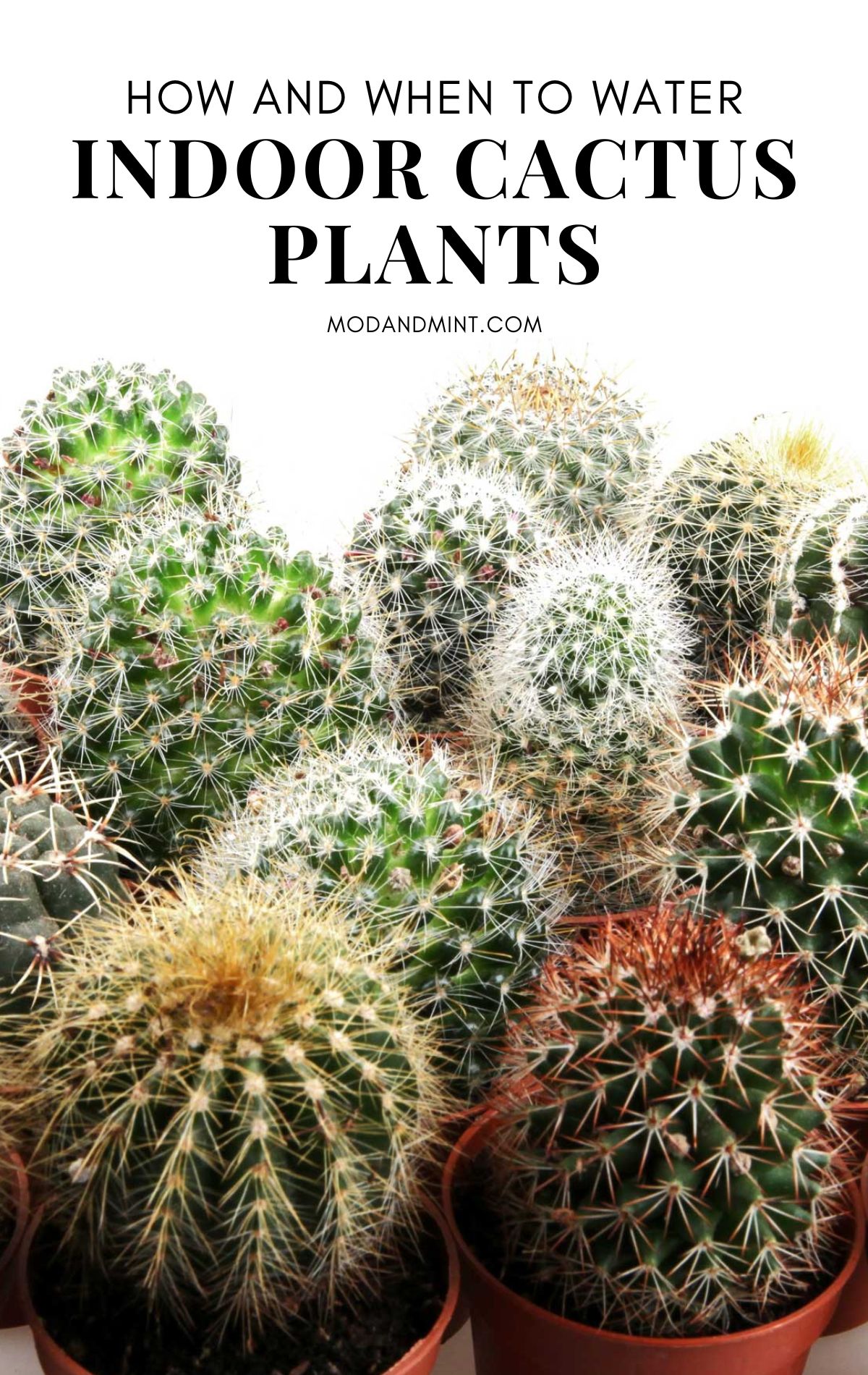
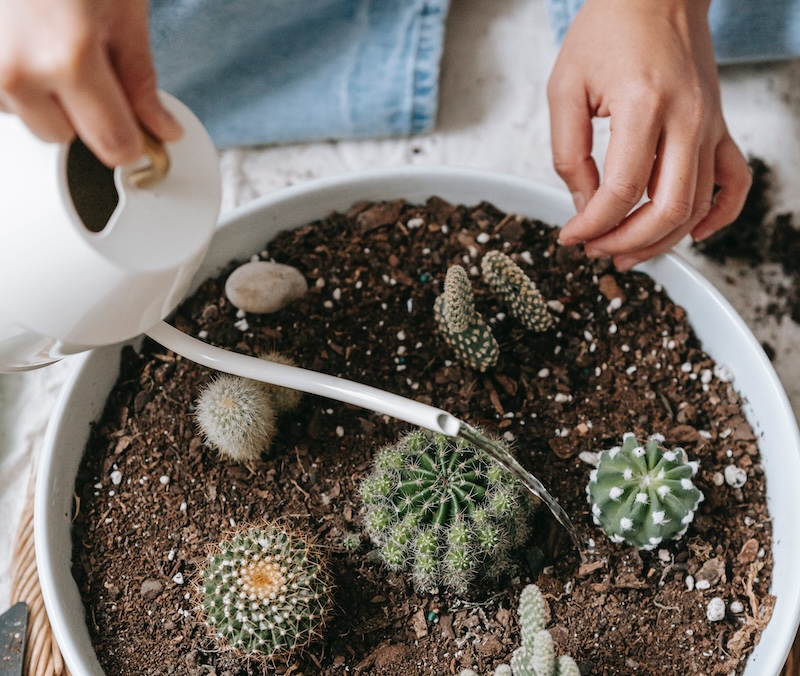
Succulents and cacti thrive in arid environments and typically require less frequent watering. For these plants, a mid-morning watering schedule aligns well with their natural habitat, as it mimics the replenishing rains that occur before soaring daytime temperatures.
Tropicals and Vegetables
Conversely, tropical plants and vegetables often appreciate consistently moist conditions. In this case, a strategy that combines morning and possibly selective evening watering could yield satisfactory results and optimize growth.
An Informed Decision
Ultimately, whether one opts for morning or evening watering, the key lies in understanding specific plant needs, local climate conditions, and soil drainage capabilities. Gardeners should also consider individual preferences and strategies. Soil moisture tests, the use of mulch, and the implementation of drip irrigation systems can further enhance watering efficiency, allowing for effective moisture retention regardless of the chosen time.
In conclusion, both morning and evening watering practices have their place in the gardening world. With thoughtful consideration of plant types and environmental factors, one can create a watering schedule that optimizes plant health while fitting seamlessly into a gardener’s lifestyle.
FAQ
Why is morning watering recommended for plants?
Morning watering reduces evaporation loss and allows plants to absorb water efficiently before the heat of the day, also minimizing fungal disease risks.
Can watering plants in the evening harm them?
Yes, watering in the evening can increase the risk of fungal diseases because water may not evaporate quickly, especially in humid climates.
How do plant types affect watering schedules?
Succulents and cacti prefer watering times that mimic natural arid conditions, often mid-morning, while tropical plants may benefit from more consistent moisture including evening watering.
What factors should gardeners consider when choosing watering times?
Gardeners should consider plant species, local climate, soil drainage, and risk of disease when deciding the best watering schedule.

Leave a Reply