
Short Answer
Succulents Dangerous for Cats: What You Should Know
When planning a home landscape or indoor garden, succulents often allure with their striking shapes and low maintenance requirements. However, pet owners, particularly those with feline companions, may find themselves grappling with an essential question: Are succulents safe for cats? This article delves into the intricacies of succulents, their toxicity levels, and what responsible pet owners should know to ensure a harmonious coexistence between plants and pets.
Understanding Succulents and Their Appeal
Succulents encompass a vast array of plants characterized by their thick, fleshy leaves and stems, which store water. This remarkable adaptation allows these plants to flourish in arid conditions, making them a preferred choice for both novices and seasoned horticulturists alike. Beyond their resilience, succulents are celebrated for their aesthetic appeal, coming in myriad colors, sizes, and shapes. Whether utilized as decorative centerpieces or verdant companions for a cozy living space, the popularity of these plants continues to surge.
However, the very qualities that make succulents appealing can be concerning for cat owners. Many cats exhibit curiosity towards their environment, often nibbling on houseplants. Consequently, understanding which succulents are safe for felines and which could pose risks is imperative for maintaining a pet-friendly atmosphere.
Are Succulents Toxic to Cats?
It is crucial to distinguish between the different species of succulents regarding their toxicity levels. While some succulent varieties are harmless, others can cause adverse reactions in cats. Common succulents deemed toxic include:
- Aloe Vera: Renowned for its healing properties for humans, aloe can induce vomiting and diarrhea in cats when ingested. It may also lead to lethargy and tremors.
- Euphorbia: Frequently known as spurge, many varieties are toxic due to their milky sap, which can irritate the mouth and stomach of cats.
- Jade Plant (Crassula ovata): Although not as dangerous as others, the jade plant can cause gastrointestinal upset, including vomiting and diarrhea if consumed in larger quantities.
- String of Pearls (Senecio rowleyanus): This charming trailing succulent can lead to symptoms such as vomiting and diarrhea if ingested by cats.
Conversely, several succulents are considered safe for felines, including:
- Hens and Chicks (Sempervivum): This hardy succulent poses no threat to cats and thrives in various conditions.
- Burro’s Tail (Sedum morganianum): Known for its cascading appearance, this plant is non-toxic to cats and can be a lovely addition to your collection.
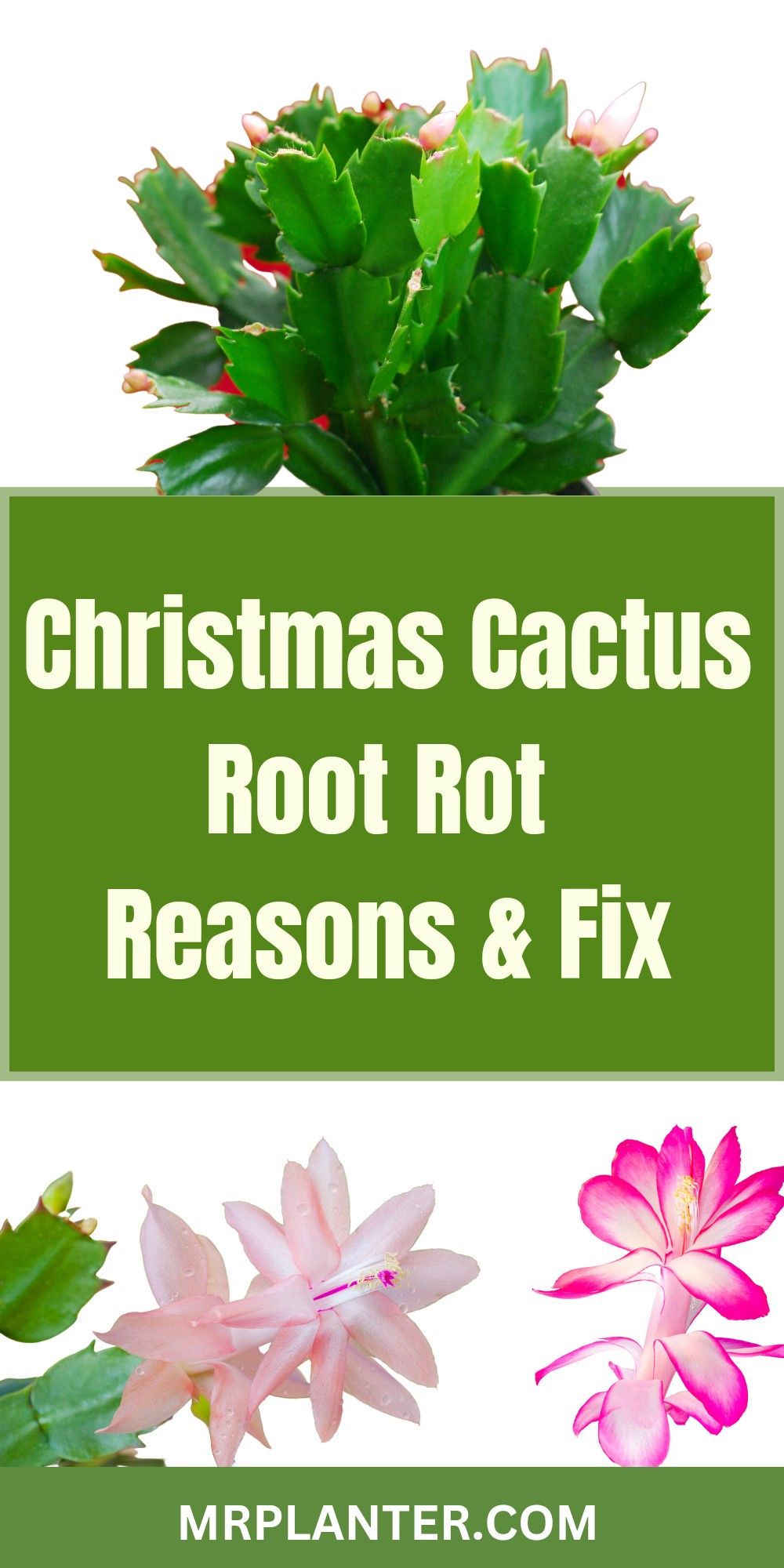
- Calandiva (Kalanchoe blossfeldiana): This flowering succulent is also regarded as safe for feline companions.
Signs of Poisoning in Cats
Pet owners must remain vigilant regarding their cats’ interactions with plants. Recognizing the signs of succulent poisoning is paramount to prompt treatment. Physical symptoms include:
- Vomiting
- Diarrhea
- Lethargy
- Loss of appetite
- Excessive salivation
If any of these symptoms manifest after your cat has exhibited behavior consistent with plant nibbling, immediate veterinary attention is crucial. Early intervention can significantly mitigate potential health complications.
Creating a Safe Environment for Your Feline Friend
Preventing your cat from encountering toxic succulents can require diligence and creativity. Here are some effective strategies:
- Research Before Buying: Always familiarize yourself with the toxicity of any plants you consider introducing to your home. Reference trustworthy sources and consult with your veterinarian if uncertain about a specific species.
- Placement of Plants: Position potentially harmful succulents out of reach from cats. Elevating plants or utilizing hanging containers can deter curious paws.
- Distraction Techniques: Providing your cat with enticing alternatives, such as cat grass or designated kitty plants, can divert attention away from decorative succulents.
- Use Deterrents: Employ harmless deterrents, such as citrus peels, around plant bases. Most cats detest the scent of citrus, which can help protect your beloved greenery.
Conclusion: A Synergistic Approach to Succulents and Pets
Succulents can undoubtedly enhance your living space, adding life and color while offering the convenience of low maintenance. Nonetheless, the safety of your feline companions must remain a priority. Understanding which succulents are safe and familiarizing yourself with the potential risks of those that are not can prevent unnecessary distress and keep both plants and pets thriving in harmony.
By actively engaging in research and applying effective plant care strategies, you can create a sanctuary that celebrates the beauty of succulents without jeopardizing the health of your beloved cats. In this delicate balance, a flourishing environment for both plants and pets becomes entirely achievable.
FAQ
Which succulents are most dangerous to cats?
Aloe Vera and Euphorbia species are among the most toxic succulents for cats, causing severe gastrointestinal and neurological symptoms.
Can cats safely live with succulents?
Yes, many succulents are safe for cats if toxic varieties are avoided or kept out of reach.
How can I tell if my cat has been poisoned by a succulent?
Watch for vomiting, diarrhea, lethargy, loss of appetite, or excessive drooling and consult a vet immediately.
What precautions should I take when having succulents and cats together?
Research plant toxicity, position plants safely, use deterrents, and provide alternative safe plants for cats.

Leave a Reply