
Short Answer
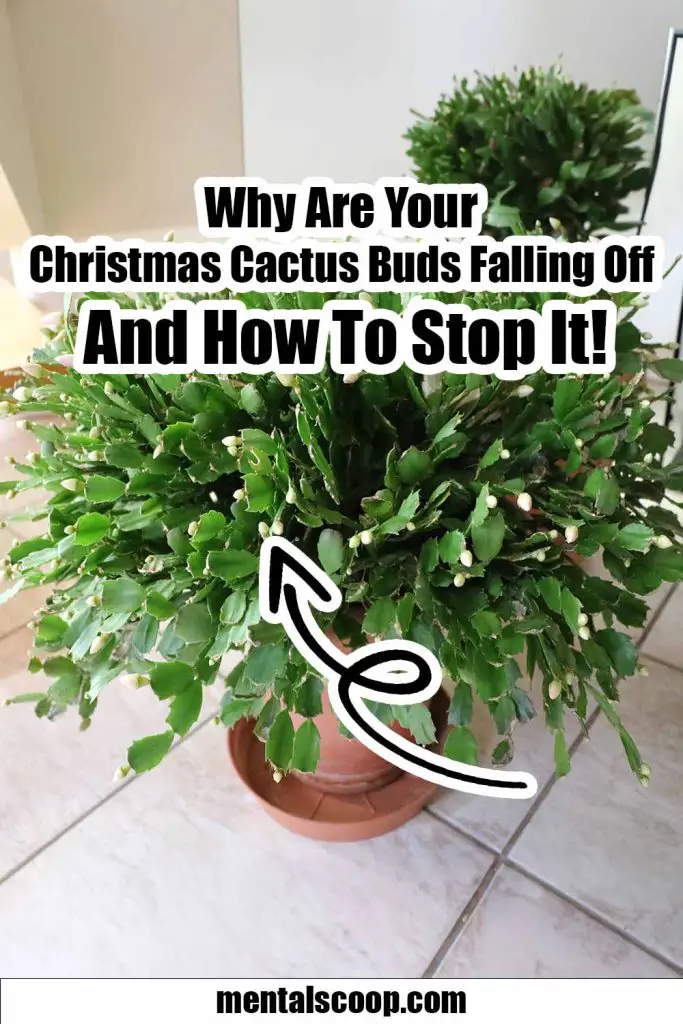
Christmas cacti, scientifically known as Schlumbergera, are celebrated for their stunning blooms during the winter months. However, encountering the perplexing issue of falling buds can be frustrating for any plant enthusiast. Understanding why buds fall off your Christmas cactus demands a close examination of water, light, temperature, and stress factors. This article will delve into the common reasons behind this phenomenon and provide insights into how to maintain your plant’s health and longevity.
As much as Christmas cacti are adored for their ephemeral beauty, the mystique surrounding their growth can sometimes lead to disillusionment when buds start to drop. The symmetrical lobes of their leaves can evoke a sense of delicacy that belies their resilience. Yet, when those precious buds fall to the ground, it can raise an array of questions about causation and care. Let’s explore the multifaceted reasons behind this occurrence.
The Role of Watering Practices
One of the most significant factors that can lead to the premature shedding of buds is improper watering. Cacti, while drought-resistant, do require a specific watering regimen, especially during the blooming season. Over-watering or under-watering can induce extreme stress on the plant.
Over-watering is perhaps the more insidious of the two. The roots of a Christmas cactus can rapidly succumb to root rot when saturated, leading to diminished nutrient uptake and weakened overall health. When this occurs, the plant must conserve energy by reducing the number of buds it supports. Conversely, under-watering can deprive your cactus of essential moisture, resulting in similar stress responses. The result is often the same: an alarming loss of buds before they have the chance to bloom.
To effectively prevent this issue, it’s crucial to implement a consistent watering routine. Allow the top inch of soil to dry out between waterings, ensuring that excess moisture can drain away. Utilizing a well-draining potting mix tailored for cacti and succulents can also mitigate the risk of waterlogged roots.
Illuminating the Importance of Lighting
Another pivotal contributor to the health of your Christmas cactus is the quality and quantity of light it receives. These plants thrive in indirect sunlight; however, too much direct sun can scorch their leaves, while too little can impede growth and flowering. A common misconception is that because they are cacti, they should bask in all-day sunlight. Yet, the Christmas cactus is native to the lush, shaded forests of Brazil, where they are accustomed to filtered light.
When exposed to inadequate lighting, the buds may fail to form properly, leading to premature drop-off. Moreover, sudden changes in light, whether from a move to a brighter location or seasonal shifts, can also induce bud drop as the plant acclimatizes.
To create a conducive environment, position your Christmas cactus near a north or east-facing window where it can receive indirect sun for several hours daily. If providing natural light proves challenging, consider using fluorescent grow lights to supplement their needs during darker months.
Temperature Tolerance and Sudden Changes
Temperature fluctuations pose another threat to the stability of your Christmas cactus. An ideal environment features temperatures between 65°F and 75°F during the day and slightly cooler temperatures at night. Extreme temperatures, both hot and cold, can stress the plant, leading to the shedding of buds as a defense mechanism.
Particularly, exposure to cold drafts or placing the cactus near heating vents can trigger stress responses. A sudden drop in temperature can confuse the plant and disrupt its flowering cycle, causing buds to fall off before they bloom. Similarly, excessive heat from sources such as stoves or radiators can desiccate the plant, causing a rapid loss of moisture and a failure to sustain flower development.
To maintain optimal temperatures, select a location free from drafts and turbulent air currents, such as near an exterior door or window. Employing a thermostat to keep environmental conditions stable can mitigate wide temperature swings. This consistency is vital during the budding phase.
Understanding Stress Factors Beyond Care
Stress factors, including repotting, pest infestations, or disease, can also precipitate bud drop from your Christmas cactus. Any disturbance to the root system, such as shifting it to a new pot, can lead to a temporary loss of bud integrity as the plant redirects its energy toward recovery.
Moreover, pests like mealybugs or spider mites may feed on the cactus, resulting in weakened health and a lack of vigor to support blooming buds. Diseases such as fungal infections may also wreak havoc on your plant’s overall resilience, leading to stress responses that include bud loss. Regular inspections are crucial for early pest detection and treatment to ensure your cactus flourishes.
With proper care encompassing watering, lighting, temperature control, and stress management, your Christmas cactus can thrive and enhance the festive spirit with its vibrant blooms. By observing these intricate relationships and responding appropriately, you will cultivate a flourishing plant that brings joy year after year.
FAQ
Why is my Christmas cactus dropping buds?
Bud drop is often caused by over- or under-watering, inadequate light, temperature fluctuations, or stress from repotting or pests.
How often should I water my Christmas cactus?
Water when the top inch of soil feels dry, ensuring good drainage to avoid root rot.
What is the best light condition for Christmas cactus?
Indirect sunlight is best; avoid direct sun which can scorch leaves and cause bud drop.
Can temperature changes cause buds to fall off?
Yes, sudden cold drafts or heat sources can stress the plant and cause buds to drop.
How do I treat pests on my Christmas cactus?
Regularly inspect for mealybugs or spider mites and treat infestations with insecticidal soap or neem oil.

Leave a Reply