
Short Answer
Have you ever stared at a garden center jungle, mesmerized by a sea of spiny green strangers, and wondered: which cactus could truly thrive in my garden paradise? Selecting the perfect cactus is no whimsical whim—it’s a daring dance of matching nature’s resilience with your landscaping vision. The challenge? Navigating the intriguing diversity of these desert marvels to bring home a plant that’s not only stunning but also suited to your environment. Welcome to an adventure through the 15 most popular cactus types that will transform your garden into a spiky sanctuary of color, texture, and intrigue!
Saguaro Cactus (Carnegiea gigantea)
The majestic Saguaro reigns supreme as the iconic symbol of the American Southwest. Towering tall and proud, this giant can live for over 150 years, creating a dramatic skyline in any landscape. Its upward-reaching arms seem to beckon the desert sun. But beware—this colossus isn’t for the faint-hearted gardener; it demands ample space and patience. Nonetheless, for those willing to nurture this gentle giant, it brings an aura of endurance and timeless desert beauty.
Barrel Cactus (Ferocactus spp.)
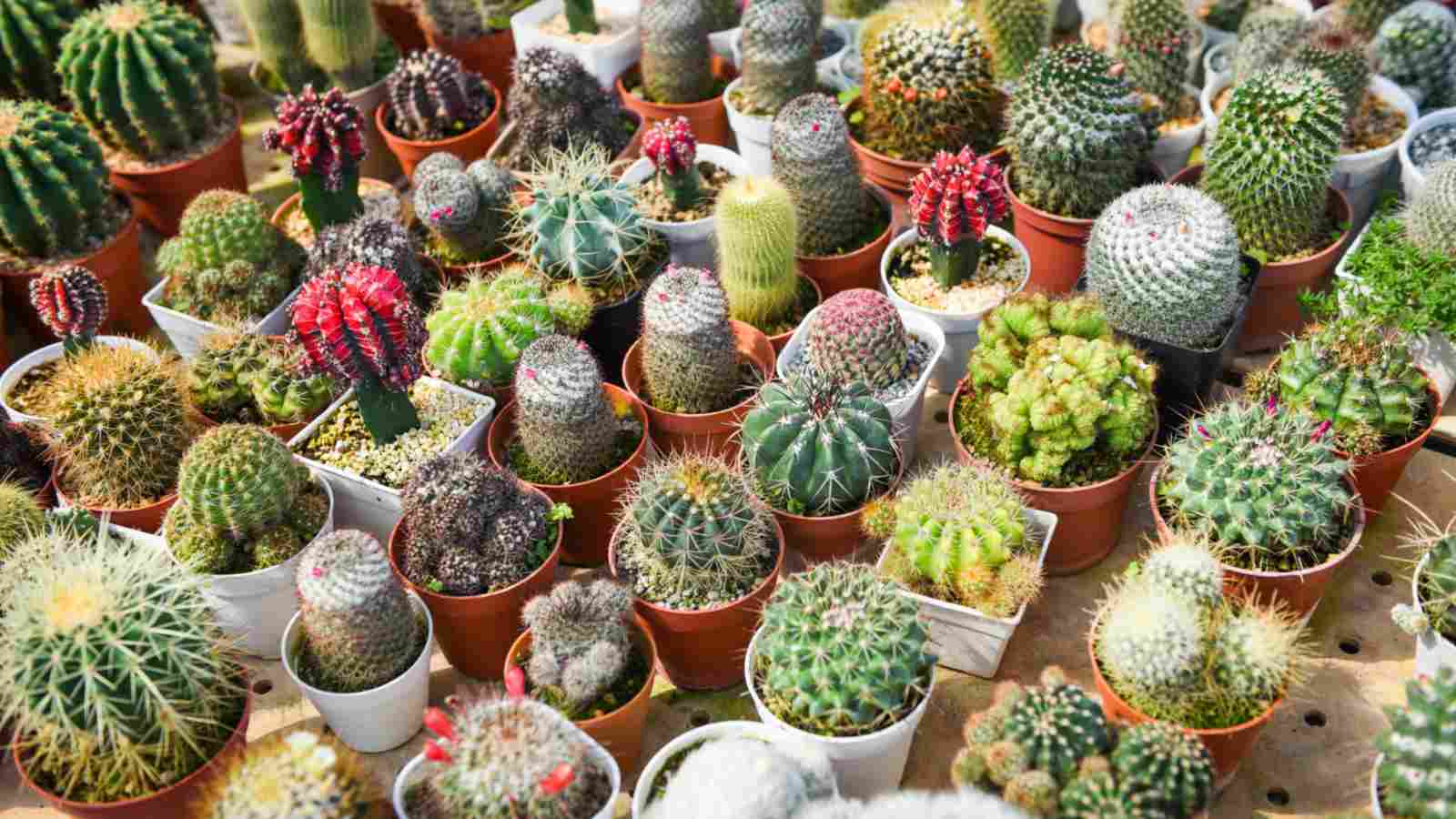
Imagine a plump, ribbed fortress brimming with golden spines—that’s the Barrel Cactus. Its round, barrel-like form makes it a welcoming structure in any garden, resisting the harshest droughts like a desert superhero. The challenges with this one? Its formidable spines and slow growth demand respect and strategic placement. Yet its radiant yellow or red flowers in bloom offer a splash of unexpected vibrance, luring pollinators and admirers alike.
Prickly Pear (Opuntia spp.)
Oh, the versatile Prickly Pear! This cactus wears pads instead of the stereotypical arms, creating a unique texture that can quickly fill a space with lively greenery. Beyond its ornamental charm, this cactus produces edible fruits—vibrant, ruby-red “tunas” that pack a tangy punch. The possible pitfall? Its glochids—tiny, almost invisible spines—can be a prickly nuisance. But with careful handling, it’s a resilient candidate that thrives in various climates.
Hedgehog Cactus (Echinocereus spp.)
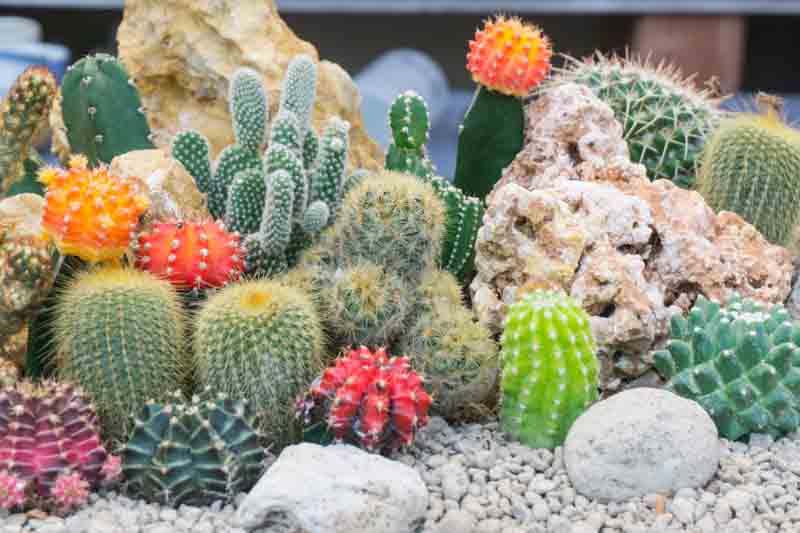
Do you crave a cactus that dazzles with florid theatrics? Enter the Hedgehog Cactus, a smaller species with brilliant, often magenta or orange blooms. Its cylindrical stems cluster together, resembling a botanical sea urchin. While it loves sun-drenched spots and well-drained soil, its challenge lies in its sensitivity to extreme cold. Gardeners who can meet its specific needs will enjoy a comical yet elegant display of nature’s whimsy.
Old Man Cactus (Cephalocereus senilis)
Who doesn’t adore a bit of wise, weathered charm? The Old Man Cactus boasts a hairy, white coating that looks like a silvery beard—it’s nature’s nod to distinguished age. This slow-grower thrives in bright light but demands arid conditions. Its playful appearance adds a softness to any cactus ensemble, yet its slow maturation tests the patience of even the most dedicated succulent enthusiasts.
Cholla Cactus (Cylindropuntia spp.)
The Cholla often sparks a love-hate relationship. It’s a spiny spectacle known for its segmented arms that can easily detach, helping it spread but also catching the careless gardener unawares. True, it’s challenging to handle, but those tough enough to incorporate it will enjoy its dramatic silhouette outlined against the sky. In bloom, it produces enchanting flowers and eventually vibrant fruits, making perseverance worthwhile.
Golden Barrel (Echinocactus grusonii)
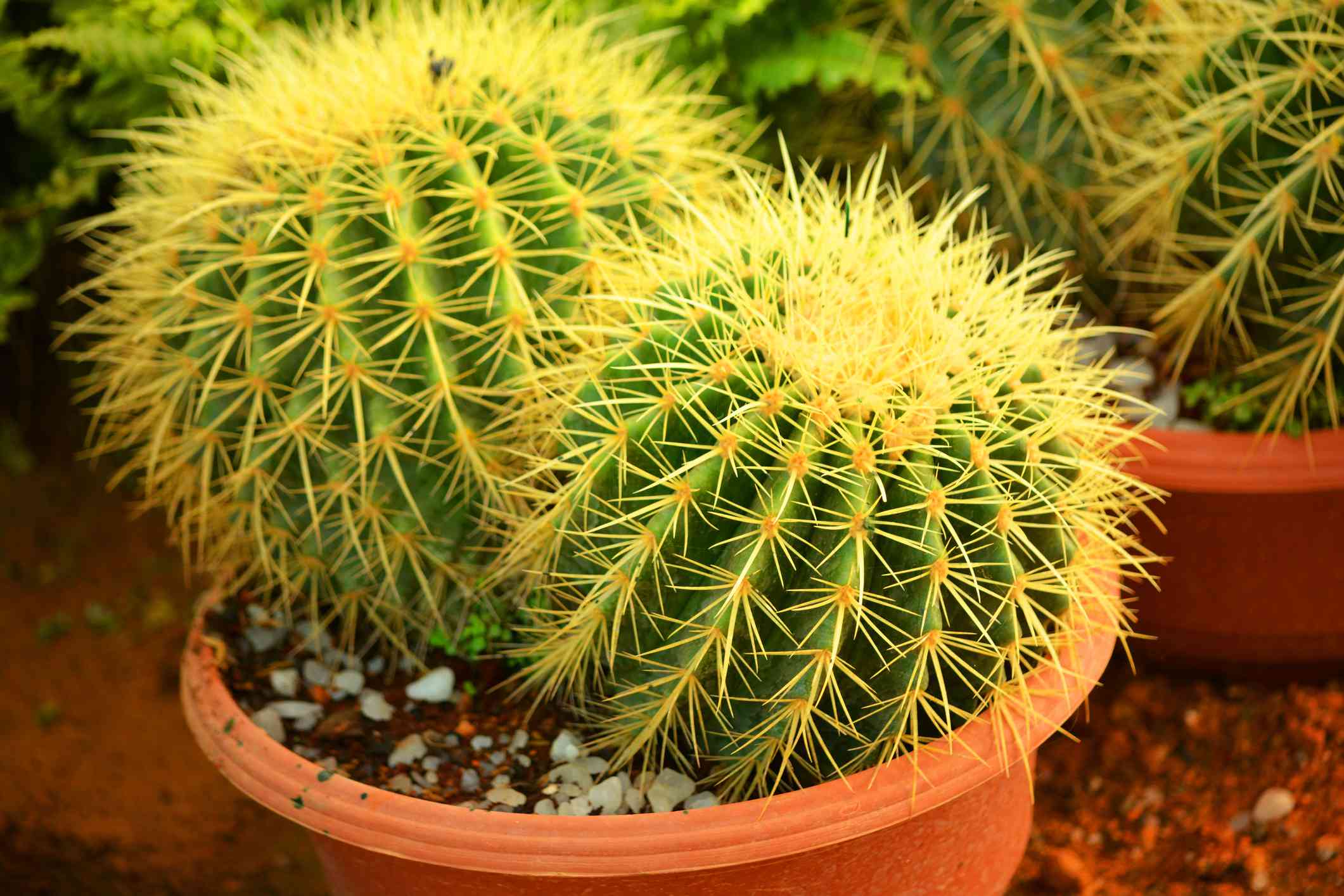
Round, regal, and radiant—the Golden Barrel is a miniature sunburst in your garden. Its striking yellow spines resemble radiant rays, creating a sunny focal point even during the dullest seasons. It thrives in full sun and well-drained soil, making it relatively low-maintenance. Yet, it’s slow to grow and sensitive to overwatering, inviting gardeners to develop a watchful, attentive eye.
:max_bytes(150000):strip_icc()/best-cactus-to-plant-in-garden-4059807-05-4ea3fb95575e4918996868780a5f78f9.jpg)
Christmas Cactus (Schlumbergera bridgesii)
Not all cacti thrive in desert soils—meet the Christmas Cactus, a tropical wonder that blooms around the holidays with lush, pendulous flowers in reds and pinks. Unlike its sun-seeking cousins, this cactus prefers indirect light and a humid atmosphere. Its cultivation introduces a refreshing variation for gardeners eager for a less traditional cactus experience that still bursts with personality.
Star Cactus (Astrophytum asterias)
Small, subtle, and utterly captivating—the Star Cactus lives up to its name with a star-shaped body adorned by white spots, like a desert constellation. Endangered in the wild, this species fascinates collectors and novices alike. It’s a delicate beauty that thrives in minimalist garden corners, demanding expert drainage and careful watering, but rewarding with serene, understated elegance.
Rat Tail Cactus (Aporocactus flagelliformis)
For those who relish dynamic structures, the Rat Tail Cactus offers trailing tendrils that spill over pots with a cascade of green pincers. In bloom, it surprises with vibrant, tubular flowers that glow in red, pink, or orange. This cactus prefers a warmer, indoor environment where it can display its dramatic pendulum without risk of freezing, turning any shelf into a succulent spectacle.
Fishhook Cactus (Mammillaria spp.)
Its hooked spines are not just a novel feature—they’re an evolutionary marvel that helps this cactus cling to rocky slopes. The Fishhook Cactus’s dense clusters produce a crown of dainty flowers, often in soft pinks or whites. It’s a small but potent statement piece, suited to rock gardens or container cultivation, bringing textured intrigue without demanding sweeping space.
Living Rock Cactus (Ariocarpus spp.)
Here lies one of the world’s most enigmatic cacti, masquerading as a mere stone in the rubble. The Living Rock’s flattened, geometric rosettes blend seamlessly with their rocky habitats, embodying camouflage at its finest. Growth is painstakingly slow, and these cacti require exacting care, but their rarity and surreal beauty captivate those willing to embrace the challenge.
Committee Plant (Euphorbia lactea)
Though technically a euphorbia, this plant often mistaken for a cactus deserves a place in garden conversations. Its architectural, branching form resembles a skeletal committee deliberating in green, occasionally adorned with lavender-tinted ridges. It thrives in sunlit, arid conditions, making it a striking specimen that blurs botanical boundaries.
Mexican Fencepost Cactus (Pachycereus marginatus)
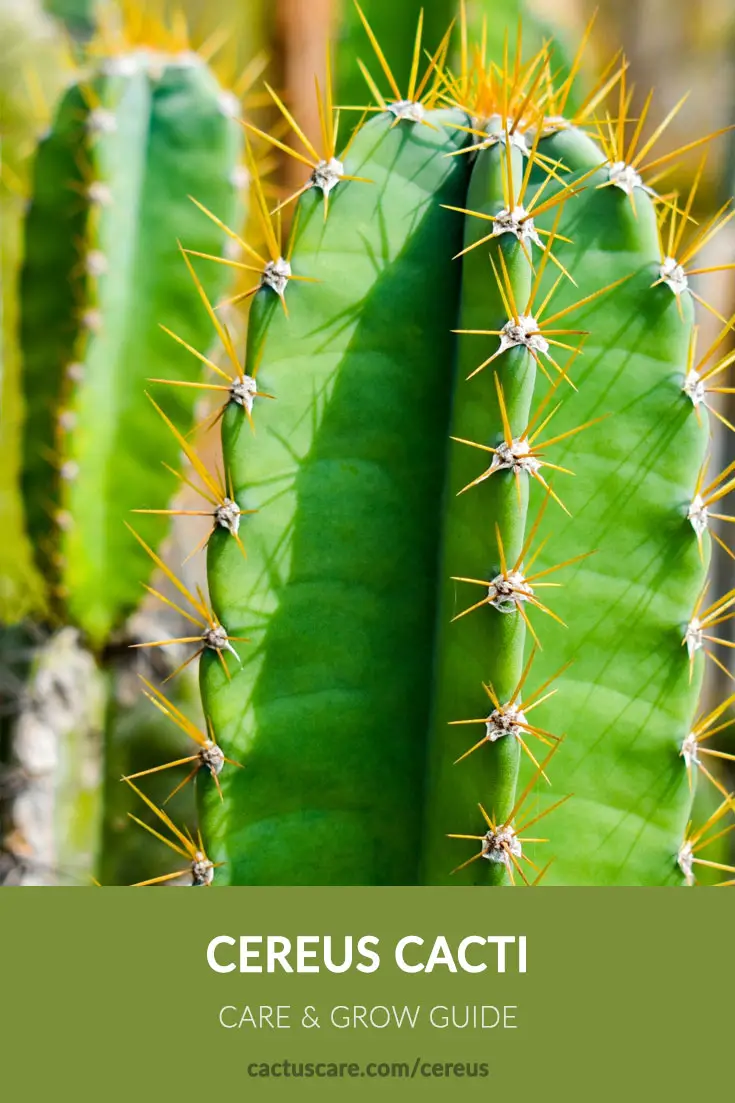
Looking for vertical drama? The Mexican Fencepost grows tall and columnar, often used as natural fencing or stand-alone sculptures in dry landscapes. Its imposing height and narrow diameter provide a bold vertical accent. It’s incredibly hardy, luckily forgiving those forgetful waterings, making it an excellent candidate for gardeners seeking both utility and striking form.
Rainbow Cactus (Echinocereus rigidissimus)
Finally, imagine a kaleidoscope growing in your garden—the Rainbow Cactus combines vibrant striped spines in hues of yellow, orange, and purple that catch the eye from afar. Paired with bright red flowers atop, it brings vivid color and joy during bloom season. While its coloration demands high light and careful watering, it rewards with a spectacle that’s as lively as it is rare.
Choosing the right cactus can feel like decoding nature’s secret language. Will you embrace the towering Saguaro, the quirky Old Man, or the stealthy Living Rock? Whichever you select, these 15 stars promise to turn your garden into a lively mosaic of resilience, beauty, and character. The challenge is real—but oh, the rewards are wildly worth it!
FAQ
What are the best cacti for beginners?
The best cacti for beginners include the Saguaro, Barrel Cactus, and Prickly Pear, as they are easier to care for and resilient.
How do I care for a Christmas Cactus?
A Christmas Cactus prefers indirect light and humidity, making it different from typical desert cacti.

Leave a Reply