

Short Answer
Diving into the world of jewelry crafting offers an extraordinary blend of creativity, personal expression, and tactile pleasure. Among the captivating themes flourishing in handmade adornments, cactus jewelry revitalizes an age-old botanical fascination with a contemporary, southwestern twist. This hardy, spiny symbol of resilience and understated beauty lends itself beautifully to an array of handcrafted pieces. Whether you envision delicate earrings shaped like prickly pear pads or bold statement necklaces evoking desert landscapes, crafting your own cactus jewelry is an invigorating journey. Explore the varied facets of this trend as you unlock techniques, materials, and styles that will inspire both novices and seasoned artisans alike.
The Allure of Cactus Motifs in Jewelry
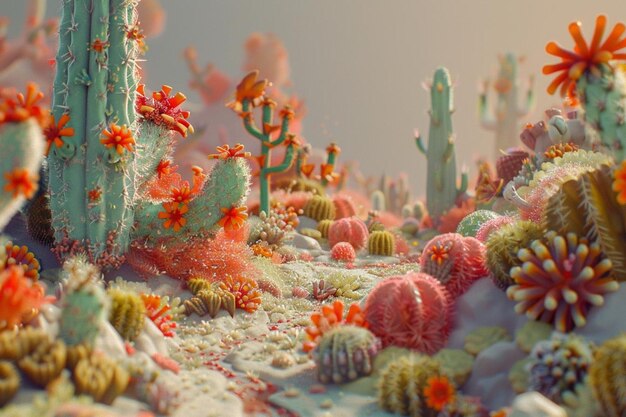
Cacti, with their unique architectural silhouettes and vibrant blossoms, have long inspired artists and designers. Their juxtaposition of toughness and delicate charm speaks volumes—paralleling the wearer’s own narrative of endurance and grace. Cactus-themed jewelry carries an intrinsic bohemian flair, nodding to southwestern heritage while appealing to modern eclectic tastes. Adorning oneself with these nature-inspired pieces is more than a fashion statement; it is an emblem of vitality and adaptability. Understanding this symbolism enhances the crafting process, infusing each handmade item with deeper meaning.


Choosing the Right Materials for Your Cactus Creations
Material selection is an exciting phase, defining the textural and aesthetic qualities of your jewelry. For cactus motifs, common choices range from metal wire, polymer clay, resin, to natural stones. Metal—especially copper, brass, or sterling silver—works wonderfully for sculpting spines and intricate shapes. Polymer clay offers versatility, allowing you to sculpt miniaturized cacti with realistic details and even vibrant flower accents. Resin provides a translucent medium perfect for casting detailed molds with embedded tiny cacti or desert sand for a layered effect. Additionally, including semi-precious stones such as turquoise or malachite can imbue your work with authentic southwestern energy.

Essential Tools and Techniques for Crafting Cactus Jewelry
Embarking on your cactus jewelry adventure requires a curated toolkit. Basic wire cutters, round-nose pliers, needle files, and a sturdy workbench form the backbone for metalwork. When working with polymer clay, you’ll need sculpting tools, a work surface, and an oven or baking station. Resin crafting brings in measuring cups, mixing sticks, and silicone molds designed specifically for cactus shapes.
Mastery of wire-wrapping is crucial for creating delicate cactus spines, forming loops for earring hooks, or assembling layered chokers. For polymer clay, learning to manipulate textures and color blending elevates your miniature succulents from mere representations to lifelike art. Adopting resin casting techniques allows jewelers to encapsulate desert scenes or even tiny natural elements like dried moss within clear, glass-like finishes.
Step-by-Step Guide to Craft Your First Cactus Pendant
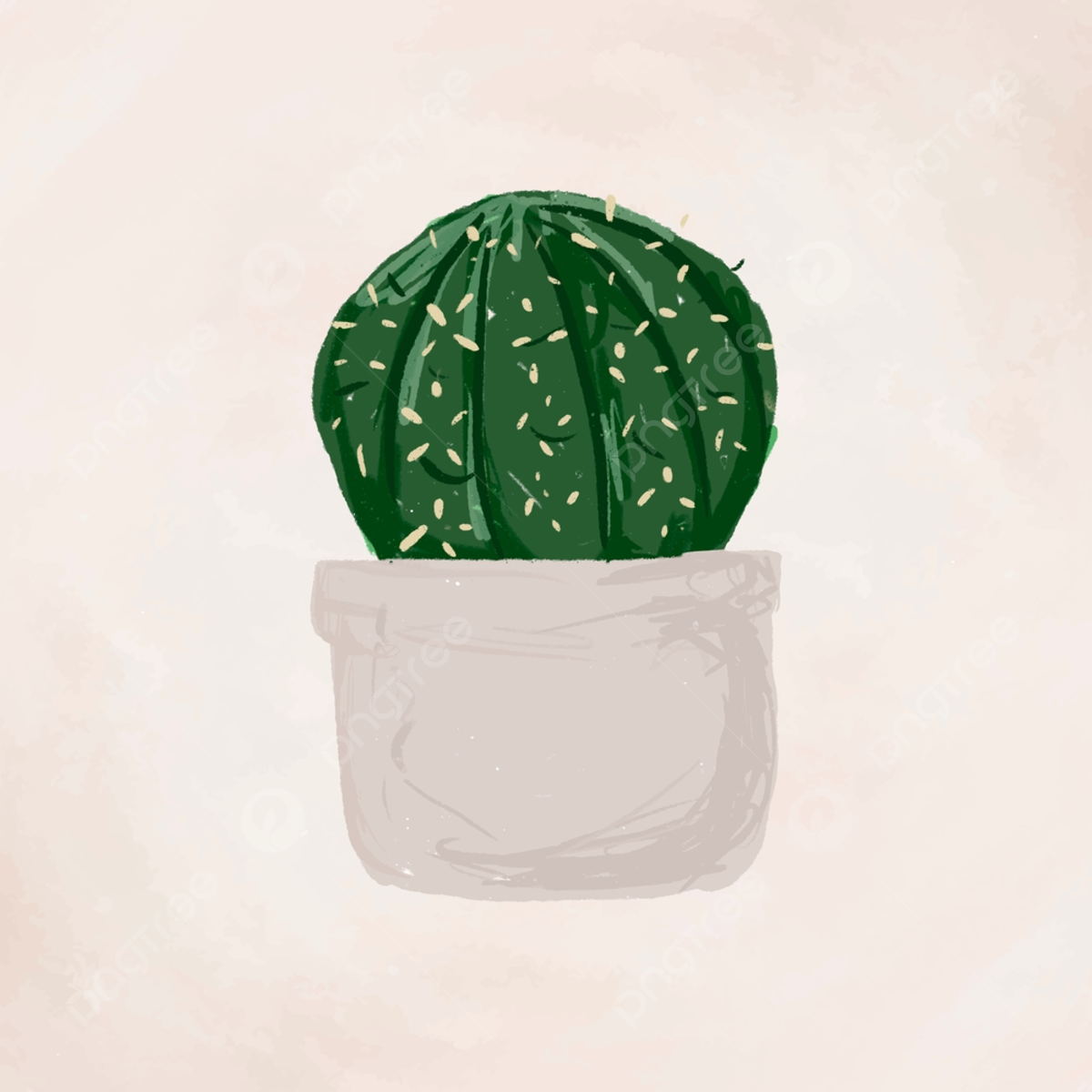
Start with a simple shape—the barrel or paddle cactus is ideal for beginners. Roll out polymer clay into a smooth oval or sphere, then use a fine needle or toothpick to add tiny dot impressions representing spines. Carefully sculpt small flower buds using contrasting clay colors to mount on top, bringing the cactus vividly to life. Once baked according to clay instructions, embellish the pendant with metallic paints or patinas for a nuanced finish.
Attach a pre-made bail or craft a wire loop carefully, ensuring secure attachment to your chosen chain or leather cord. The piece, though miniature, radiates craftsmanship and personal flair. Experimenting with scale, color, and texture conjures endless variations for necklaces, bracelets, or even brooches.

Incorporating Mixed Media: Elevate Your Designs
One of the most exhilarating aspects of cactus jewelry lies in the confluence of diverse materials and methods. Combining leather cords with metal charms, threading wooden beads to mimic desert sands, or embedding miniature gemstones into resin pendants creates a multisensory experience. Mixed media enriches texture, contrast, and depth, breathing palpable authenticity into wearable desert landscapes.
You might also experiment with fabric appliqués or hand-painted enamel to highlight the vibrant flora that crowns these desert plants. Incorporating small tassels, feather accents, or found objects expands the narrative, turning each piece into a portable story steeped in nature’s rugged beauty.
Personalization and Styling Tips
Tailor your cactus creations to resonate with personal style or the tastes of a recipient. To achieve a minimalistic vibe, focus on sleek silver wire silhouettes or subtle etched motifs. For bold, boho statements, scale up with thick leather bands, brightly colored resin pieces, or layered necklaces juxtaposing cactus charms with turquoise beads.
Consider the personality of the wearer: earthy tones and tactile materials suit adventurous spirits, while polished metals and fine details appeal to those with an affinity for refined craftsmanship. Custom engraving or incorporating initials makes your cactus jewelry uniquely intimate—transforming simple adornments into cherished heirlooms.
Care and Longevity of Handmade Cactus Jewelry
Preserving the charm and structural integrity of your handcrafted pieces demands mindful care. Metals like brass and copper develop a desirable patina over time but may require occasional polishing to maintain their luster. Polymer clay benefits from gentle handling; avoid exposure to harsh chemicals or prolonged moisture to prevent deterioration. Resin elements remain durable but should be kept away from direct sunlight for extended periods to prevent discoloration or cracking.
Storing jewelry in soft pouches or lined boxes reduces the chance of scratches. Regular inspection of clasps and connections prevents accidental loss. Embracing these maintenance rituals ensures that your handmade cactus treasures endure as timeless accents in any collection.
Community and Resources: Expanding Your Crafting Horizons
Joining jewelry-making forums or local artisan groups opens doors to shared knowledge, inspiration, and critique. Online tutorials and workshops provide stepwise instruction and insight into emerging trends within cactus-themed designs. Engaging with fellow crafters nurtures growth, sparks innovation, and connects you to a vibrant creative pulse.
Exploring marketplaces for unique materials and artisan tools further enhances the making process. Each new technique assimilated or unusual material sourced fuels your capacity to bring original, evocative cactus jewelry to life, blurring the lines between craft and artistry.
In sum, crafting your own cactus jewelry is a rich, rewarding endeavor that intertwines botanical admiration, technical skill, and personal storytelling. From selecting ethereal materials and mastering delicate sculpting to mixing media boldly and caring for your creations with intention, the journey unfolds in myriad joyous ways. Embrace the prickly elegance of cactus motifs and let your hands translate their resilient beauty into enduring wearable art.
FAQ
What materials do I need to make cactus jewelry?
Common materials include metal wire, polymer clay, resin, and natural stones like turquoise.
How do I care for my handmade cactus jewelry?
Store it in soft pouches, keep it away from harsh chemicals, and regularly inspect clasps for security.
Leave a Reply