
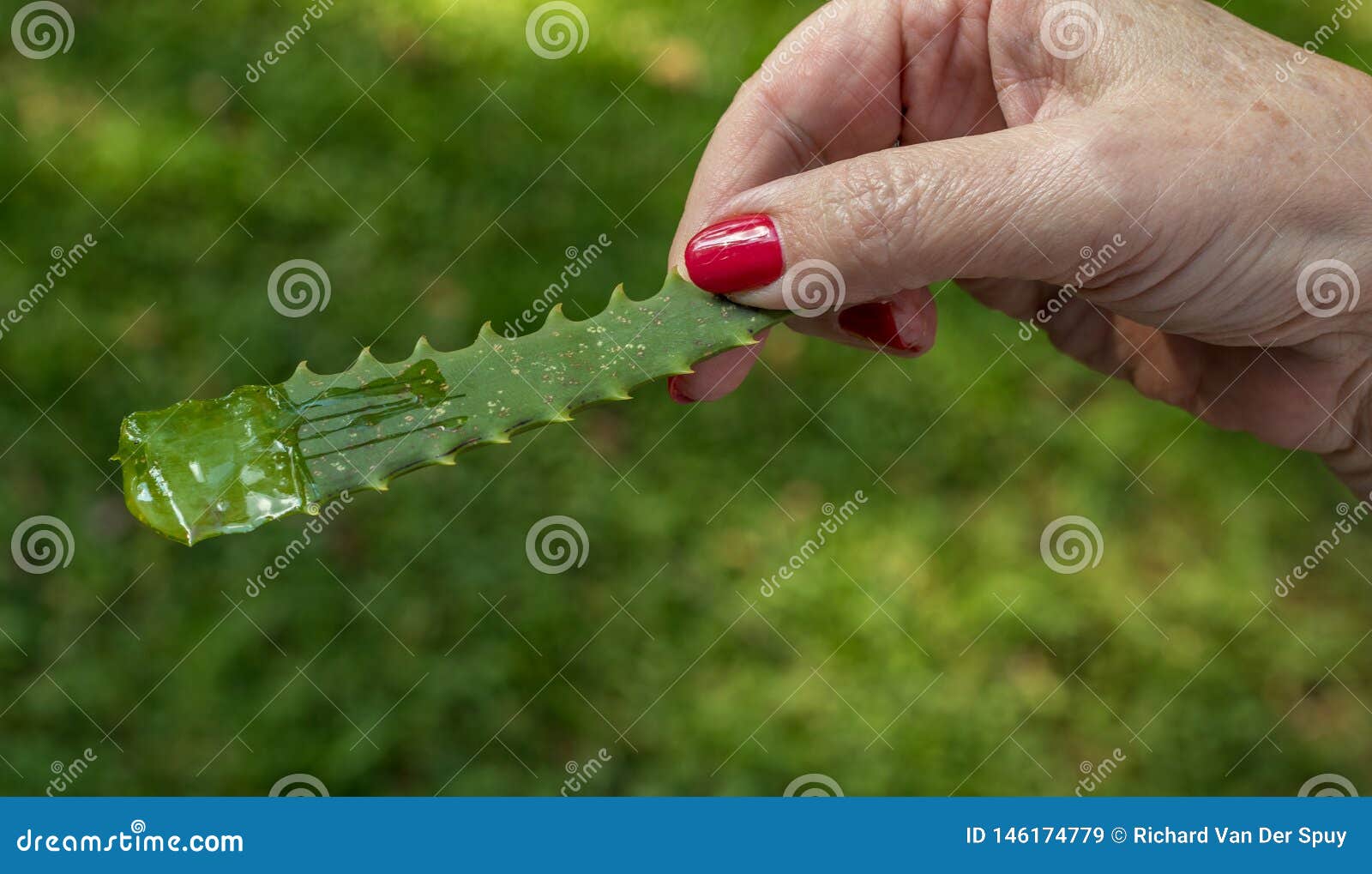
Aloe Vera, often dubbed the “miracle plant,” is revered for its numerous health and beauty benefits. This succulent has been a staple in households around the globe, cherished not just for its aesthetic appeal but also for its medicinal properties. With the right guidance and care, anyone can cultivate this resilient plant in their own home, unlocking its myriad of uses. Below is a comprehensive exploration of how to successfully grow Aloe Vera and the various benefits this plant entails.
Understanding the Basics of Aloe Vera
Aloe Vera (Aloe barbadensis miller) is a perennial succulent that thrives in arid environments. Its fleshy leaves, which can grow up to 36 inches long, are packed with a gel-like substance that is widely used in skincare, health supplements, and cooking. The plant is notable for its ability to flourish with minimal water and care, making it an excellent choice for both novice and experienced gardeners alike.
Native to the Arabian Peninsula, Aloe Vera is now cultivated worldwide. It prefers warm temperatures and well-draining soil, making it particularly suited for indoor potting and outdoor gardens in warm climates. As an easy-to-grow plant, it embodies the philosophy of “less is more,” requiring minimal resources for maximum benefit.
Optimal Growing Conditions for Aloe Vera
To cultivate Aloe Vera successfully, consider the following environmental factors:
Light Requirements:
Aloe Vera thrives in bright, indirect sunlight. Placing your plant near a south- or west-facing window provides the ideal light intensity. However, too much direct sunlight can scorch the leaves, causing irreversible damage. If you notice the edges of the leaves turning brown, it is a clear sign that your plant might be getting too much sun. Aim for at least 6 hours of daylight each day, balancing between sufficient light and shade.
Soil Selection:
Utilizing well-draining potting soil is crucial for the health of your Aloe Vera. A mix designed for cacti and succulents is ideal, as it allows excess moisture to escape while retaining the right amount of nutrients. If making your own soil mix, combine one part potting soil, one part sand, and one part perlite. This blend provides adequate aeration and drainage, preventing root rot—a common ailment in overly moist soil conditions.
Temperature and Humidity:
Aloe Vera flourishes in warm conditions, ideally between 60°F and 75°F. It does not tolerate frost well; thus, in cooler climates, it’s best to keep the plant indoors during the winter months. Humidity levels are less critical, as this resilient succulent is adapted to dry environments. A typical household’s humidity level is usually sufficient for its growth.
Caring for Your Aloe Vera
Once planted, Aloe Vera requires minimal intervention, but some care practices can enhance its growth and health.
Watering Schedule:
Overwatering is a primary concern when caring for Aloe Vera. The golden rule is to allow the top inch of soil to dry out completely between waterings. During the growing season, which spans from spring to early fall, watering every three weeks is usually sufficient. In the winter, reduce frequency, watering only when necessary to prevent soggy soil.
Fertilization:
Feeding Aloe Vera is not mandatory, but introducing a diluted liquid fertilizer can boost growth during the growing season. Opt for a balanced, water-soluble fertilizer, applying it once in the spring and again in early summer. Avoid fertilization in the fall and winter, as the plant enters dormancy. Over-fertilization can lead to unhealthy growth or even kill the plant.
Repotting:
When your Aloe Vera grows out of its pot, repotting is necessary to prevent stunted growth. Ideally, this should occur every two to three years. Choose a pot that is only slightly larger than the current one; a too-large pot may retain excess moisture. Handle the plant with care; avoid damaging its delicate leaves during the process.
Utilizing Aloe Vera: The Versatile Plant
Aloe Vera is not merely a decorative plant; it offers a plethora of practical uses.
Skincare Benefits:
The gel extracted from Aloe Vera leaves is renowned for its soothing properties. It’s commonly applied to treat sunburn, cuts, and various skin irritations. Its natural anti-inflammatory and antibacterial effects can hydrate and heal damaged skin, making it a favorite ingredient in many skincare products.
Health Benefits:
Consuming Aloe Vera, whether in juice or supplement form, is believed to promote digestion and boost the immune system. The plant contains vitamins, minerals, enzymes, and amino acids beneficial for overall health. However, it is essential to consume Aloe Vera in moderation, as excessive intake can lead to laxative effects.
Culinary Uses:
Aloe Vera gel can be incorporated into smoothies, salads, and desserts, offering both a unique texture and healthful benefits. It’s crucial, however, to ensure you’re using the gel from edible varieties and to properly prepare it to avoid ingestion of any toxic compounds.
In conclusion, growing Aloe Vera is an accessible venture offering an abundance of advantages. By adhering to the fundamentals of plant care and recognizing its varied uses, you can harness the benefits of this remarkable succulent. With minimal effort, you’ll cultivate not just a beautiful plant but also a source of health and wellness for you and your family.



Leave a Comment