
When one gazes upon the unique silhouettes of cacti basking under the relentless sun, a question often arises: Are cacti a type of succulent plant? This query unveils a captivating world of botanical classification and physiological adaptation. The foundational understanding lies in recognizing the intricate relationship between cacti and succulents, both of which thrive in environments where water is at a premium.
To begin unraveling this enigma, it is essential to define the terms involved. Succulent plants, by definition, possess fleshy tissues adapted to store water. This hydrophilic characteristic enables them to persevere in arid conditions, transforming them into nature’s veritable reservoirs. However, cacti, the architectural wonders of the desert, belong to a distinct family known as Cactaceae, which encompasses various species known for their spines and unique morphological traits.
The intricate weaving of these classifications reveals the complex tapestry of plant evolution. All cacti are succulents, yet not all succulents are cacti. This distinction is akin to describing a square as a type of rectangle; while all squares maintain the fundamental traits of rectangles, rectangles encompass a broader range of forms and characteristics.
To delve deeper into this botanical relationship, we must explore the myriad adaptations that distinguish cacti from their succulent counterparts. Cacti are uniquely equipped to flourish in harsh environments thanks to several specific adaptations that set them apart.
Cactus Morphology: The Armor of Survival
The morphology of cacti plays an instrumental role in their survival. Their thick, fleshy stems serve as reservoirs for water, allowing these plants to endure prolonged periods of drought. When rain does grace the parched terrain, cacti can absorb substantial quantities of moisture, effectively storing it for future use. This makes them akin to living water bottles, a testament to their resilience.
Additionally, the presence of spines, which are modified leaves, serves multiple purposes. Spines deter herbivores looking for a succulent meal, while also casting a protective shadow over the plant’s surface, thus reducing evaporation during sweltering days. Many cacti also feature a waxy coating, known as a cuticle, which acts as a barrier to moisture loss. Such adaptations showcase an elegant balance of beauty and function, rendering cacti exquisitely suited to their harsh habitats.
Furthermore, the fascinating phenomenon of crassulacean acid metabolism (CAM) photosynthesis allows cacti to open their stomata at night, minimizing water loss during the hottest parts of the day. This remarkable adaptation exemplifies the innovative strategies plants have developed for survival in austere climates.
Beyond the Surface: The Aesthetics of Cacti
While the physiological adaptations of cacti are undeniably critical to their survival, their aesthetic appeal is equally significant. The visual diversity among cacti varies dramatically, presenting a palette of colors, shapes, and sizes that intrigue botanists and enthusiasts alike. From the towering Organ Pipe Cactus with its majestic stature to the diminutive and whimsical Easter Egg Cactus, the variety is endless.
Moreover, many cacti produce stunning flowers, often characterized by vibrancy and unique forms. These blossoms are ephemeral bursts of color, drawing in pollinators such as birds and insects, furthering their ecological role. The juxtaposition of the stark, unforgiving environment with the vivid, delicate flowers of cacti represents a remarkable duality, akin to a gem nestled within a rugged setting.
The unique appeal of cacti extends beyond their biological prowess and aesthetic charm. In contemporary culture, they have emerged as symbols of resilience and strength. Individuals often resonate with the steadfast nature of these remarkable plants, crafting tales of survival against adversity. As cacti thrive in landscapes characterized by drought and desolation, they evoke a potent metaphor for human endurance amid life’s challenges.
The Broader Family: Exploring Succulents
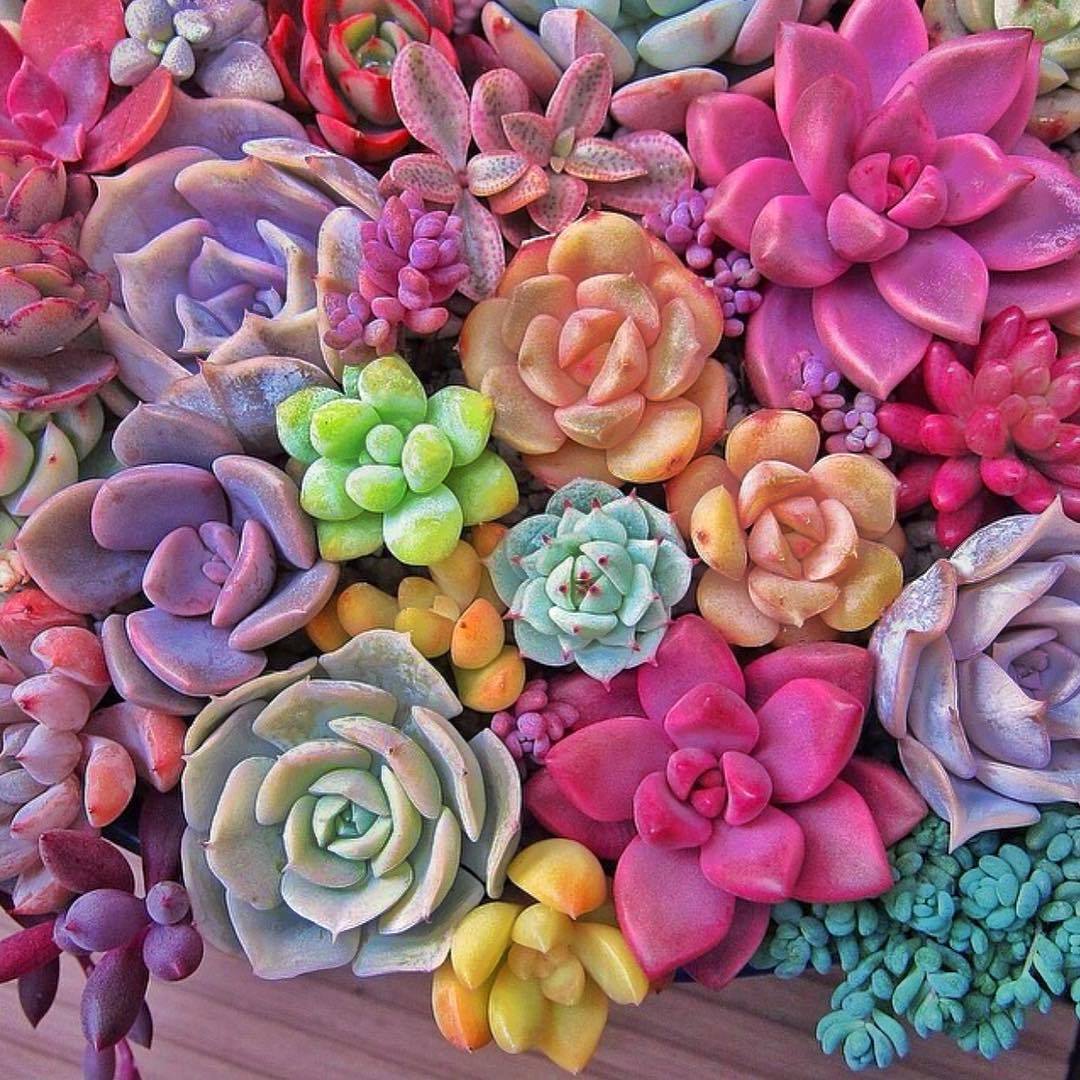
While cacti are a distinct category within the succulent family, other members of this botanical group deserve attention. Succulents encompass a wide array of species, including aloe vera, jade plants, and sedums, each exhibiting its unique adaptations for water storage. The allure of succulents lies in their versatility and low maintenance needs, making them favorites among novice gardeners and seasoned plant enthusiasts alike.
Like cacti, many succulents possess fleshy leaves that retain moisture. However, they often lack the defining characteristics of spines and prominent stems commonly found in cacti. Each type of succulent boasts a diverse array of shapes and colors, offering a delightful tableau for any green space.
Integration of both cacti and succulents in garden design promotes a rich ecological tapestry, allowing for diverse horticultural experiences. The symbiotic relationship between various succulent species creates a sustainable landscape that reflects the beauty of the natural world.
In conclusion, the relationship between cacti and succulents epitomizes the intricate dance of nature, where adaptations for survival result in breathtaking beauty. Cacti, as a subgroup of succulents, are emblematic of resilience, armed with specialized traits that allow them to conquer the harshest of environments. Their aesthetic diversity and cultural significance serve to remind us of the profound connections we share with the natural world. While one may ponder whether cacti are succulents, the true beauty lies in celebrating their unique identities and the environments they inhabit.




Leave a Comment