
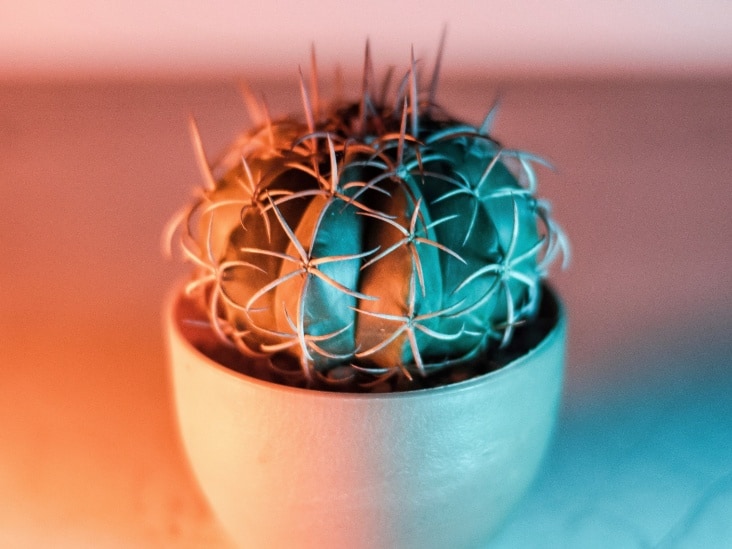
When one thinks of the cactus, images of arid landscapes and resilient flora come to mind. The very essence of these succulents evokes feelings of tenacity, beauty, and adaptability. However, nestled within this intriguing family of plants lies a nuanced question: Are some cacti toxic? While many possess only harmless charm, others may harbor elements that could be detrimental, particularly to the curious hands of children or pets. Navigating the landscape of cactus toxicity requires understanding and awareness, as not all spikes bear the same intent.
Consider the prickly pear. It stands as a paradox amid the desert’s rugged beauty. On one hand, it produces delectable fruit consumed by many, while on the other, its glochid spines can cause irritation and distress if handled improperly. As guardians of their terrain, cacti have evolved defensive mechanisms, some of which can pose risks far beyond physical discomfort. Understanding these risks empowers caretakers and enthusiasts alike to appreciate the beauty of cacti without falling prey to their hidden dangers.
As we delve deeper into the captivating and occasionally perilous world of cacti, it becomes imperative to explore the various factors contributing to their potential toxicity, as well as how to navigate this intriguing terrain.
The Botanical Balancing Act: Toxicity versus Non-Toxicity
Cacti, as members of the plant kingdom, may produce toxic compounds as a means of survival. These chemicals can serve to deter herbivores or, in some cases, to attract beneficial organisms. The presence of toxic substances varies widely among species. While many cacti are considered non-toxic and pose little to no health risks, a select few can cause harm if ingested or improperly handled.
To gain insight into the toxicity of cacti, one must recognize the role of alkaloids, saponins, and oxalates. For instance, certain cacti exhibit low concentrations of alkaloids, which can lead to symptoms ranging from mild gastrointestinal discomfort to more severe reactions in sensitive individuals. The infamous peyote cactus (Lophophora williamsii) represents a unique case, noted for its psychoactive properties. While its use is traditional among indigenous peoples, it is considered illegal or regulated in various regions.
In contrast, many popular ornamental cacti, like the golden barrel (Echinocactus grusonii) or the classic saguaro (Carnegiea gigantea), present no threats to human health and are favored for their resilience and aesthetic appeal. As always, education remains the cornerstone of safety in dealing with any plant, particularly those within the spiky realm of cacti.
Identifying the Culprits: A Closer Look at Common Toxic Cactus Species
Among the diverse family of cacti, several species warrant particular attention due to their chemical compositions. Understanding these varieties aids in preventing potential toxic encounters.
The infamous bristlecone cactus (Echinocactus strausii) possesses not just beauty but also formidable spines that can irritate the skin. Additionally, its sap may cause gastrointestinal issues if ingested, underscoring the importance of adult supervision when children are in proximity. Similarly, the prickly pear, while generally safe, can cause allergic reactions in certain individuals, particularly when consumed in excess.
Another noteworthy mention goes to the fishhook barrel cactus (Ferocactus wislizeni). The cylindrical spines of this cactus serve as an excellent example of nature’s defense mechanisms. While not inherently poisonous, the spines can lead to deep puncture wounds if care is not taken, resulting in complications that could stem from infections rather than toxicity itself.
Mother Nature’s Play: The Deceptive Allure of Cacti
Cacti embody a double-edged sword. Their striking shapes and whimsical blooms invite admiration, casting a spell on gardeners and collectors. Yet, the allure is oftentimes accompanied by a sense of caution. It is crucial to gauge the distinctions between visually appealing specimens and those that might harbor more sinister characteristics. Childlike curiosity can lead to unintended encounters with cactus varieties that warrant caution.
The visual allure of cacti should not obscure the necessity for education in safe handling and placement. Maintaining distance between children and potentially harmful species can dramatically reduce the risk of toxic exposure. Moreover, familiarity with the common symptoms of cactus ingestion—such as nausea, vomiting, and abdominal pain—can serve as a valuable reference point for caregivers and pet owners alike.
Safeguarding against Risk: Cacti Care and Precautionary Measures
As guardians of the green, responsible caretakers must learn to create a safeguard between the beauty of cacti and their potential risks. Here are essential measures to consider when cultivating these stunning specimens:
1. Research: Prioritize understanding the species you introduce into your home or garden. Books, online databases, and community resources can enrich your knowledge and ensure safe interactions.
2. Placement: Keep cacti out of reach of children and pets, ideally in spaces that are both visually striking and safely curated.
3. Education: Teach children about the parts of the cactus that are alluring but potentially hazardous, instilling a sense of respect for nature and its wild wonders.
4. First Aid: Familiarize yourself with first aid procedures in case of spines or sap exposure. This proactive approach mitigates panic and promotes a swift response if accidents occur.
In conclusion, while the thrilling world of cacti dazzles with its vibrant forms and enriching personalities, it is imperative to delve into the complexities of their nature. By arming oneself with knowledge—and passing it along—cactus enthusiasts can enjoy the beauty of these unique plants while safeguarding their loved ones and homes from harm. Awareness transforms wonder into a safe exploration of the enchanting spines that grace our landscapes.



Leave a Comment