
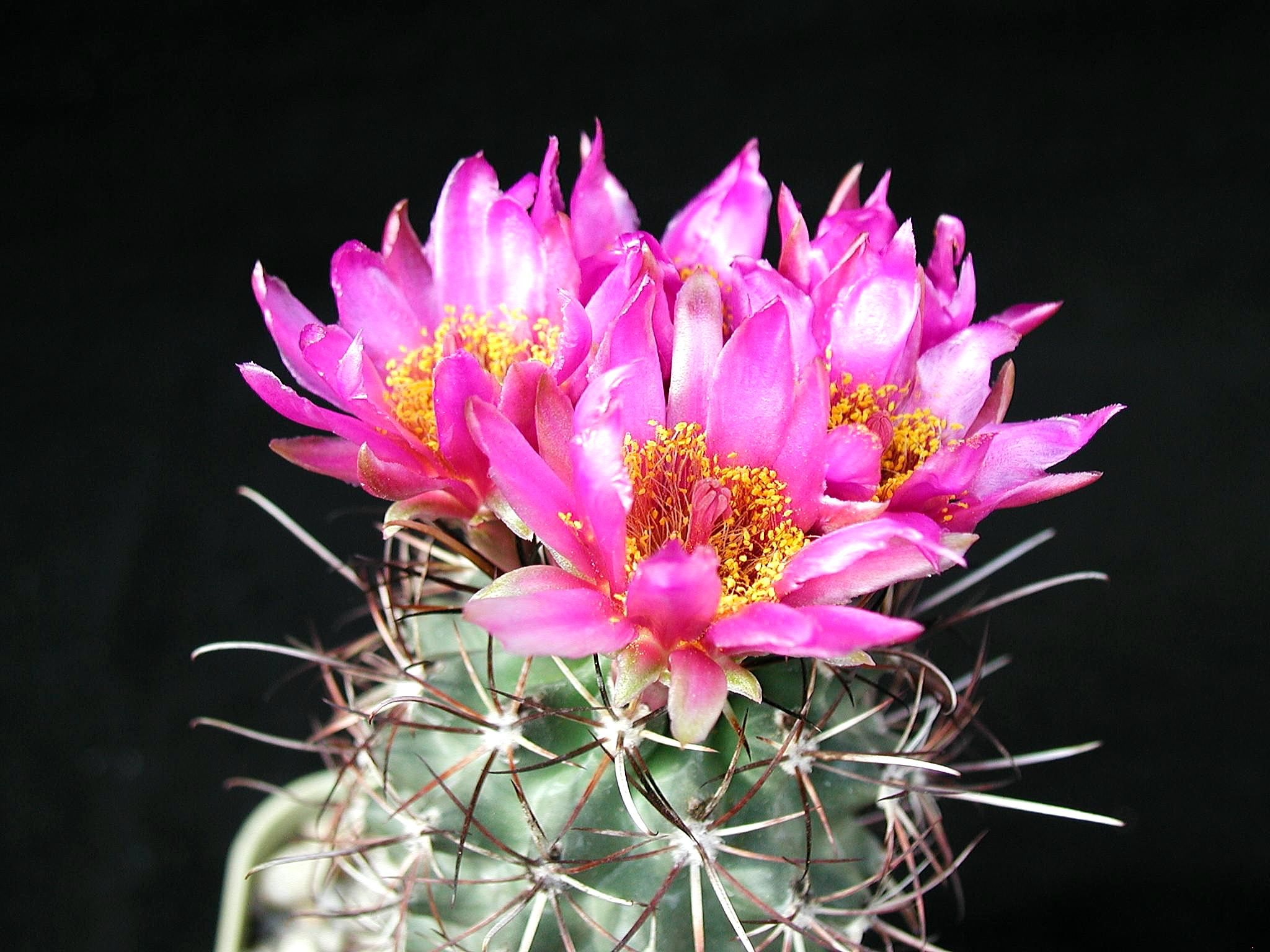
When one thinks of cacti, green spines and arid environments might come to mind. However, beneath the harsh exterior of these succulents lies a stunning secret: their flowers. Have you ever marveled at the striking beauty of cactus blooms? As one of nature’s most splendid displays, cactus flowers offer a vibrant palette that truly captivates. But what if you could curate a stunning collection of images that showcase the exquisite charm of these blossoms? This article will delve into the breathtaking world of cactus flowers, exploring their unique attributes, ideal growing conditions, and tips for capturing their beauty in photographs.
Before embarking on this visual journey, you’ll soon realize that it may prove challenging to encapsulate the actual brilliance of cactus flowers in photographs. Are you ready to take on the challenge and find the best angles to highlight their charm? Let’s dive deeper into this colorful and delightful subject.
The Irresistible Allure of Cactus Flowers
Cactus flowers are not merely a spectacle of nature; they are a testament to resilience and adaptation. Many species of cactus bloom only during brief spans of time, often coinciding with specific climatic conditions. This inflorescence bursts forth from the plant’s stem or areolas, and the resultant flowers can range from the minuscule to the magnificent, depending on the species.
Take the renowned Saguaro cactus, for example. Its flowers bloom predominantly during late spring and early summer. The delicate white petals, which contrast beautifully against its spiny green physique, form a cup-like shape, inviting pollinators such as bees and bats. Observing this process in nature reveals an intricate symbiosis, as various organisms participate in the joys of cross-pollination. The visual and ecological aspects of cactus flowers are a sermon on the virtues of coexistence.
Unpacking the Variety of Flowers
Now that we appreciate the charm of cactus flowers, let’s consider the variety found across different species. Some cactus delights feature vibrant red, pink, yellow, and orange hues that make them stand out in stark deserts. One prime example is the Echinopsis, commonly known as the hedgehog cactus. With its spherical shape and colorful blooms that often appear in the evening, this cactus creates a breathtaking display that enchants wanderers and photographers alike.
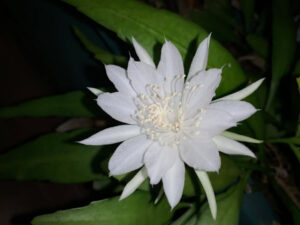
Additionally, the Peruvian apple cactus, typically seen in ornamental gardens, boasts spectacular nocturnal flowers that bloom for a single night. These blooms are generally fragrant, serving to attract nocturnal pollinators. Requesting a single night of attention, the flower’s ephemeral beauty ignites a desire to capture these moments eternally through photography. If beauty is fleeting, then cacti elevate this truth with their extraordinary blossoms.
Conditions for Optimal Blooms
For those serendipitously inspired to cultivate cactus flowers in your own garden, it’s crucial to understand the optimal conditions for growth. Each species harbors its specific requirements, yet some common factors influence their flowering potential. Sunlight is paramount. Most cacti thrive with around six hours of direct sunlight daily. Insufficient light can hamper blossoming and vitality.
Likewise, soil drainage is vital. Cacti prefer sandy, porous mediums that facilitate swift drainage – consistency is key, as excess moisture can lead to rot. Watering should be dramatically reduced during dormancy periods and increased during blooming. Understanding these essentials provides an ample foundation for nurturing your own cactus bloom.
Capturing Cactus Flowers on Camera
Having established an appreciation for cactus flowers and necessary growth conditions, how does one best photograph these marvels? Cacti present myriad challenges to photographers, most notably their spiny exteriors and the surrounding contrast of the desert landscape. Yet, employing the right techniques can yield mesmerizing images.
Begin by selecting the ideal time of day. The golden hour, shortly after sunrise or before sunset, offers the softest light, minimizing harsh shadows while amplifying color saturation. This will highlight the intricate details of the flowers. Use a macro lens or a focused mode on your camera to zero in on the delicate textures and structures of the petals. Experiment with depth of field; a blurry background will help your subject become the undeniable focal point.
Moreover, consider framing your composition. Incorporating varying angles or unique perspectives could drastically alter the narrative your photo conveys. A low angle can dramatize the stature of a blooming cactus, while a close-up can showcase the exquisite details of its floral anatomy. Some photographers may even choose to include other elements of the environment, such as natural rock formations, to enrich the story being told.
Finding the Joy in the Challenge
As you venture into capturing beautiful pictures of cactus flowers, you may face difficulties—each snap a lesson in the dance of light, angles, and timing. But don’t be deterred; the challenge is simply part of the process. Like the ephemeral bloom of these stunning flowers, persistence and creativity can yield inspiring results. In framing the unmatched beauty of cactus flowers, you’re likely to discover a deeper appreciation for these resilient plants and their secretive, soft-spoken splendor.
Ultimately, the journey through cactus blooms offers more than just visual delight. It interlaces the themes of resilience, endurance, and beauty. Whether capturing these blooms through photography or tending to your own collection, there is a world of wonder waiting to be revealed. Prepare to embrace the challenge and discover moments of sublime beauty tucked within the arid landscape.




Leave a Comment