
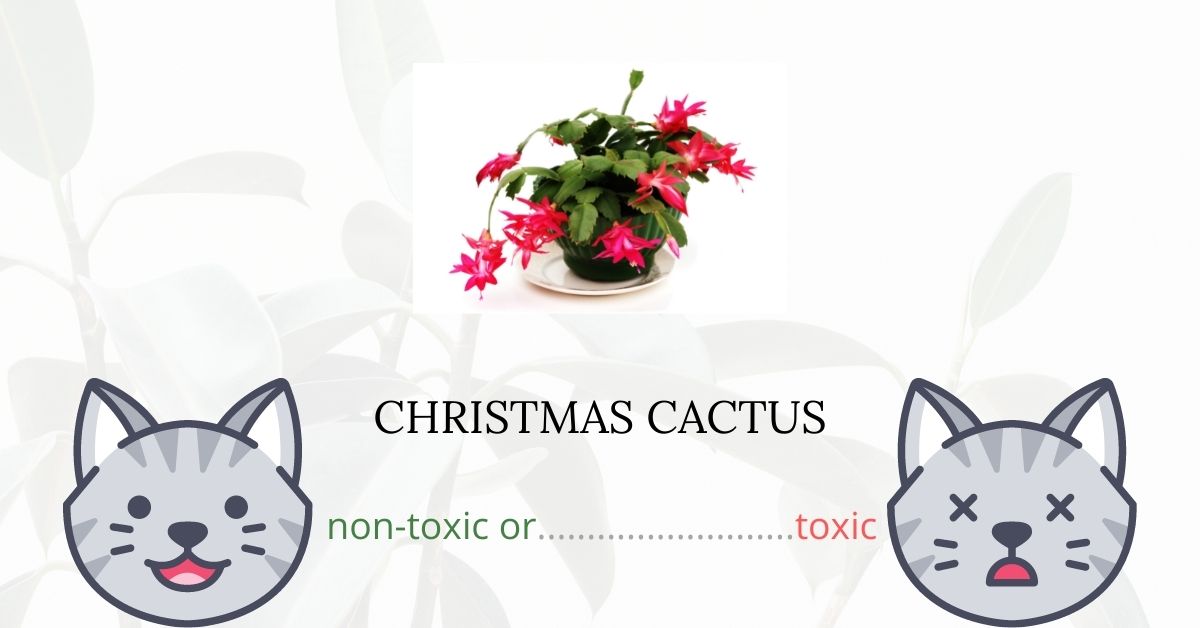
As a caring cat owner, are you aware of the various plants that may lurk in your home, posing potential risks to your feline friend? Among them, cacti might not seem immediately hazardous, but certain species harbor toxic properties that could endanger your cat’s health. In this article, we will delve into the intriguing world of cacti, examining which species could pose a threat to our beloved cats and the nature of these dangers. What if that charming green succulent on your windowsill could be a hidden peril? Let’s explore.
Understanding cactus toxicity begins with recognizing what makes these plants potentially harmful. Cacti belong to the family Cactaceae, characterized by their fleshy, perennial structures and distinctive spines. While many cacti are non-toxic to pets, the curious nature of cats could lead them to nibble or play with these prickly plants. This investigation aims to uncover the species that are best kept away from whiskered companions.
The most prominent danger arises from physical injury rather than chemical toxic substances. However, it is essential to elucidate which cacti are truly harmful. Let’s dissect this comprehensive subject matter piece by piece.
Demystifying Cactus Toxicity: What to Look For
First, to ascertain which cacti are toxic to cats, it is imperative to understand how toxicity manifests in plants. Toxicity can stem from various biochemical compounds that affect the physiological processes of animals. In the case of cacti, while they may not have potent toxins, many possess harmful characteristics. The spines themselves can puncture the skin or cause gastrointestinal distress if ingested.
Physical dangers often manifest through puncture wounds or oral injuries. Cats are notorious for their whimsical exploration, and sharp spines can lead to painful encounters. Moreover, if a cat consumes parts of a cactus, it may suffer from choking, abdominal discomfort, or vomiting.
Here, we will examine some common species that are hazardous and how best to keep your home safe for both your cat and your cactus collection.
Top Cactus Culprits: Which Species to Avoid?
The following cacti are known to pose risks to felines, primarily due to their spines and potential for ingestion-related injuries:
1. **Echinopsis (Easter Cactus)**
This popular houseplant is often admired for its vibrant flowers and easy care. However, its spiny exterior can pose a threat to curious cats. The cholla (Cylindropuntia spp.) is particularly notorious for its barbed spines, which can easily become embedded in a cat’s paw or mouth. Beyond the physical injuries, ingestion can lead to gastrointestinal blockages.
2. **Opuntia (Prickly Pear)**
Prickly Pear cacti are known for their paddle-like pads and striking fruits. While they may appear appetizing, these cacti possess both sharp spines and glochids—tiny hair-like structures that can cause significant irritation to a cat’s mouth. Always ensure to place this plant out of reach, as the resultant discomfort may lead to further complications.
3. **Cereus (Night-Blooming Cereus)**
This intriguing species, known for its stunning nocturnal blooms, is not without risks. While it does not produce substantial toxins, its spines can inflict pain. Additionally, if chewed, it can lead to oral injuries and discomfort. Remove any dead or fallen pieces, as these can be especially enticing to cats.
Judicious Choices: Non-Toxic Alternatives
With awareness comes a sense of responsibility. As an alternative to the dangerous cacti mentioned, consider these non-toxic plant options that can coexist harmoniously with your feline companions:
– **Christmas Cactus (Schlumbergera)**
Unlike its thorny relatives, the Christmas Cactus is non-toxic and poses no harm to cats. Its vibrant blooms during the winter months add cheer without risk. Always ensure your cats refrain from excessive chewing, as large quantities of any plant material can induce vomiting.
– **Bamboo Plant (Dracaena sanderiana)**
While technically not a cactus, Bamboo is an appealing choice for cat owners. Its sturdiness and low maintenance make it a popular decorative plant. Cats often enjoy playing with it, providing interactive entertainment without fear for their safety.
Tips for a Cactus-Friendly Home
For the cactus enthusiasts, there are several strategies to mitigate risks associated with these plants:
– **Elevate Your Cacti**: Place cacti in areas that are inaccessible to curious paws, such as high shelves or hanging pots. This can help minimize the likelihood of cats getting too close.
– **Train Your Cat**: Utilizing positive reinforcement, encourage your cat to stay away from plants. Redirecting their attention towards safe toys can help foster a sense of boundaries.
– **Monitor Interactions**: Always supervise interactions between your cat and any plants. If you notice curious behavior around cacti, it’s best to intervene promptly.
In conclusion, while not all cacti are toxic, understanding which species may pose risks to pets is crucial for their safety. By making informed choices and designing a pet-friendly living space, you can maintain the beauty of cacti in your home while ensuring your cat remains safe from harm. A harmonious coexistence between cacti and cats is not merely a dream—it can be a tangible reality with thoughtful consideration.




Leave a Comment