
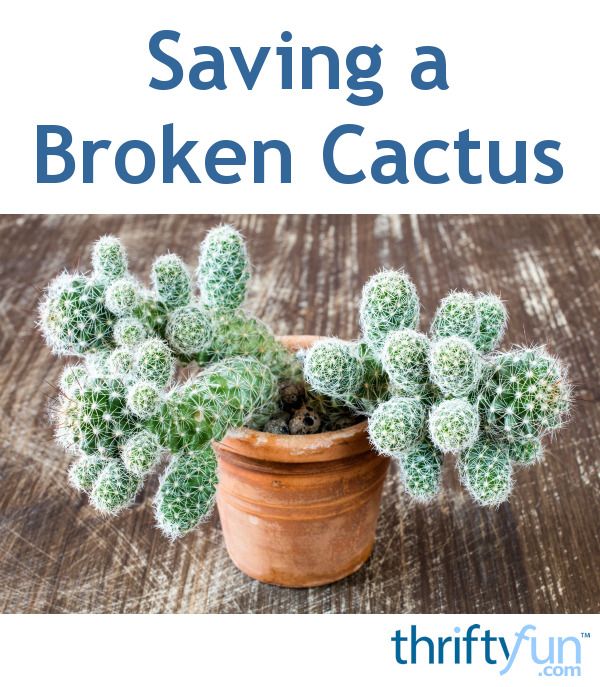
When you find yourself staring at a broken cactus, particularly one that has snapped off at the base, it can be alarming. Cacti are renowned for their resilience, adapting to harsh environments with remarkable tenacity. However, when they suffer an injury, it raises immediate concerns about their future. Understanding how to manage this situation is essential for ensuring the survival and potential recovery of your cactus.
In this article, we’ll explore the steps you should take when your cactus breaks, how to promote healing, and tips for future prevention. This information is vital for any cactus enthusiast, whether you’re a novice collecting your first plants or an experienced collector invested in the longevity of your green companions.
Recognizing the Severity of the Break
Before taking any action, evaluate the extent of the damage. Not all breaks are identical, and understanding the severity will guide your next steps. A break that is clean and just at the base can be treated differently than one that is splintered or torn.
If the break is clean, with minimal damage to the fibrous structure, your cactus has a fair chance of survival. However, if the break is jagged and significant tissue has tore away, this could indicate a more severe injury, which could complicate the healing process. Assess the health of the remaining portions of the cactus. Is there discoloration, mushiness, or other signs of distress? These indicators will inform your approach.
Cleaning and Preparing the Wound
Once assessed, the initial step is to cleanse the wound. Using a sterilized knife or scissors, trim away any jagged edges to create a clean cut. This is crucial because a clean edge minimizes the risk of pathogens entering the plant’s tissue. After trimming, let the cut surface dry for 24 to 48 hours. This drying period allows a protective callous to form, which will help prevent rot and infection.
In cases where the broken piece is still intact and viable, you may have the opportunity to propagate it. To do so, place the broken stem in a dry, warm area out of direct sunlight and let it callous, just like you would with the wound of the main plant.
Replanting: A Path to Recovery
After the wound has adequately calloused, the next step is to replant. Choose a soil that offers excellent drainage—a mixture designed specifically for cacti is ideal. Avoid using regular potting soil, as this retains too much moisture and can lead to root rot.
For best results, use a pot that has drainage holes. Gently place the cactus in the soil, ensuring that it is upright and stable. Fill in around the base with more cactus mix, but avoid covering the calloused wound. The exposure to air is beneficial at this stage.
After planting, avoid watering your cactus for a couple of weeks. You want to provide time for the roots to establish without the complication of excess moisture. Check the soil and wait until it has completely dried out before reintroducing water. When you do, apply water sparingly.
Monitoring Growth and Health
After replanting, the important phase of monitoring begins. Observe the plant for any signs of new growth or changes in the color of existing skin. A healthy cactus will begin showing signs of recovery, such as the development of new shoots or a firm consistency in its structure.
Keep an eye out for signs of distress. Yellowing, wilting, or continued soft spots may indicate complications. If these arise, consider acting quickly; this may involve removing the plant from its pot to further assess root health or even re-evaluating environmental conditions.
Environmental Considerations
Providing the right environment contributes significantly to recovery. Cacti flourish in conditions that mimic their native habitats—bright light and low humidity. Make sure your cactus is placed in a sunny location, and adjust exposure to light as needed to avoid sunburn, where the skin would darken or become blistered. Aim for direct sunlight for several hours daily, but ease into it after a period of healing.
Temperature is also an important factor. Cacti thrive in warm temperatures but should be protected from frosty environments. If you’re growing your cactus indoors, be mindful of drafts or extreme fluctuations in temperature.
Preventing Future Breaks
Once your cactus has healed, it’s vital to take steps to prevent future accidents. One of the most common causes of breakage is physical disturbance, so consider placing your cactus in a secure, elevated location where it is less likely to be bumped. Additionally, maintaining the health of your cactus, through proper watering routines and avoiding root rot, will help strengthen its overall structure.
Another consideration is ensuring your pots are appropriate. A heavy pot can often be more stable than a lightweight one, which can tip over easily. Make adjustments to your plant’s environment considering both its physical support and its health needs.
In conclusion, when faced with the unfortunate event of a cactus breaking at the base, understanding the proper steps to take is critical. From cleaning and replanting to maintaining the right environmental conditions, each action plays a vital role in recovery and future prevention. Following these guidelines will ensure your cactus remains a resilient part of your collection for years to come.




Leave a Comment