
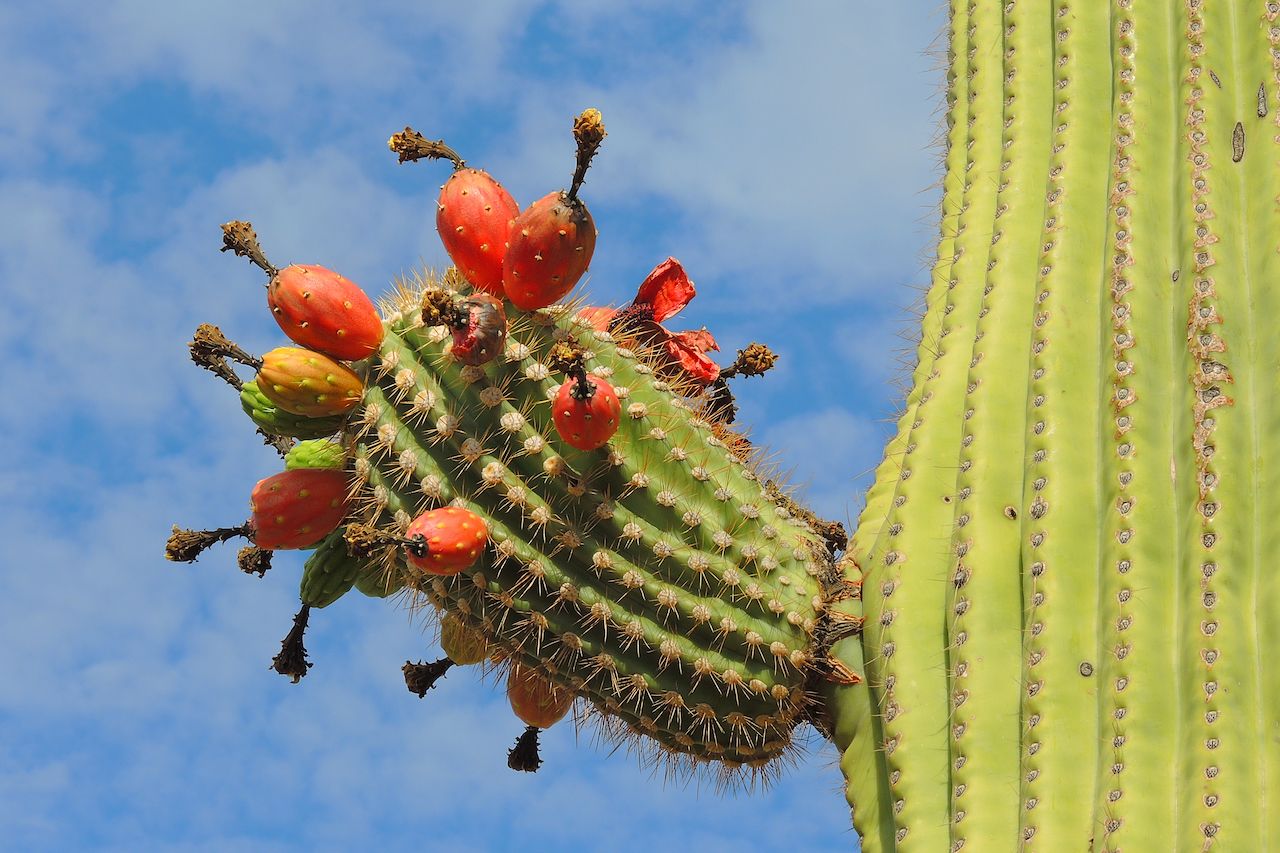
The wilderness of the arid landscapes is often perceived as unforgiving, yet it harbors a hidden bounty of delicious treasures. Among these are the lesser-known edible cactus fruits, which not only provide sustenance but also encapsulate a unique part of culinary history and cultural significance. From the vibrant prickly pear to the delicate, sweet sustenance of a saguaro fruit, these natural wonders deserve exploration. This article will delve into the enchanting world of cactus fruits, their nutritional benefits, and ways to incorporate them into your diet.
Understanding the Enigmatic Prickly Pear
Perhaps the most recognized of the edible cactus fruits, the prickly pear (Opuntia) boasts vivid hues of magenta, yellow, and green. These succulent fruits, often called “tunas,” grow atop the pads of the prickly pear cactus, which is cultivated extensively in regions like Mexico and the Southwestern United States. Each prickly pear is enveloped in spiny glochids, making careful handling essential.
The allure of the prickly pear transcends its aesthetic appeal. With a flavor reminiscent of watermelon and a texture akin to a kiwi, it is appreciated for its versatility in culinary applications. The fruit can be consumed raw, blended into refreshing beverages, or transformed into jams and jellies. Moreover, the pads of the prickly pear cactus, known as “nopales,” can also be eaten and are often utilized in traditional Mexican dishes.
Beyond its culinary value, the prickly pear offers an array of health benefits. Rich in antioxidants, vitamins A and C, and dietary fiber, it is praised for its potential in aiding digestion and managing blood sugar levels. Recent studies suggest that prickly pear may even possess anti-inflammatory properties and could contribute to heart health. This remarkable fruit, accessible and nutritious, serves as a perfect introduction to the world of edible cacti.
Crowning Glory of the Saguaro Fruit
Transitioning from the well-known to the more exotic, the saguaro fruit (Carnegiea gigantea) provides a fascinating glimpse into the ecosystem of the Sonoran Desert. Commonly associated with the iconic saguaro cactus, the fruit appears in vibrant shades of crimson, ripening in late June to early July. Unlike its prickly pear counterpart, the saguaro fruit has a more delicate flavor profile, often described as subtly sweet and reminiscent of a blend between a melon and a fig.
The saguaro, standing tall and majestic, is a symbol of the American Southwest. The fruit was historically harvested by Indigenous peoples, who relied on it as a food source and utilized its pulp to create fermented beverages. Today, the fruit is collected and processed in various forms, from syrups to candies, making it a delightful addition to any gourmet dessert.
Nutritionally, saguaro fruit is low in calories but high in vital nutrients. Packed with vitamin C, B vitamins, and dietary minerals, it serves as a refreshing snack or a wholesome addition to smoothies. In addition to its remarkable flavor, the saguaro fruit offers hydration, making it a perfect accompaniment in warm climates.
Exploring Other Edible Cactus Fruits
While prickly pears and saguaro fruits often steal the spotlight, numerous other cactus fruits bear mention. The cholla flower bud (Cylindropuntia), for instance, is an exceptional delicacy that can be consumed raw or pickled. When prepared properly, these buds yield a tangy, crunchy treat that adds zest to salads or tacos.
The tuna (not to be confused with the prickly pear) refers to the fruit of the cholla cactus and possesses a sweet and savory flavor profile. This fruit can be enjoyed as a refreshing snack or used in various dishes, contributing both taste and texture.
In addition, the fruit of the barrel cactus (Ferocactus) and the peyote cactus (Lophophora williamsii) are also consumed, albeit with specific cultural and legal considerations. The barrel cactus is known for its hydrating properties, while the peyote is celebrated in certain Indigenous practices. However, it is essential to approach them with respect and understanding of their significance within their respective cultures.
The Role of Cactus Fruits in Culinary Traditions
Cactus fruits have long been interwoven into the fabric of numerous culinary traditions. Their versatility has spurred innovations in regional cuisines, from the bold flavors of Mexican dishes to the subtle infusions in Mediterranean offerings. Chefs are increasingly experimenting with these fruits, incorporating them into salsas, cocktails, and even salads, enhancing contemporary cuisine with traditional flavors.
Furthermore, the growing interest in sustainable, plant-based diets has rejuvenated the appreciation for cactus fruits. As global food systems face challenges, the resilience of cacti in arid climates presents an opportunity for food security and a sustainable food source. Understanding the ecological benefits of consuming edible cacti could contribute to a wider conversation about sustainable agriculture.
Summing It Up
The enchanting world of edible cactus fruits is brimming with flavor, nutrition, and cultural significance. As curiosity grows around these unique offerings, the prickly pear and saguaro fruits serve not just as sustenance but as a symbol of nature’s resilience. Whether enjoyed fresh, blended into juices, or incorporated into gourmet dishes, cactus fruits can invigorate both palates and lifestyles. By embracing these delicious options, one can partake in not just a culinary adventure but also a deeper connection to the earth and its bountiful resources.





Leave a Comment