
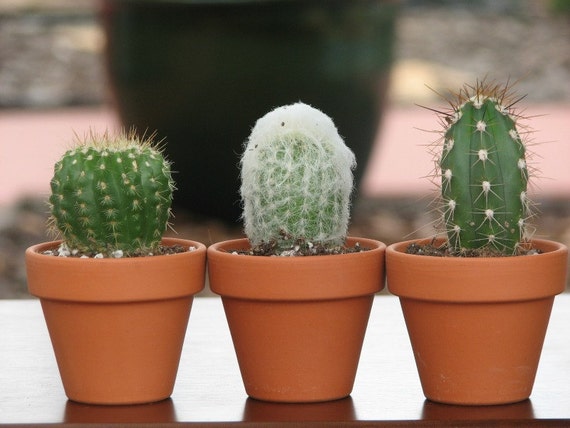
Cacti have fascinated enthusiasts for centuries, enveloping both the casual observer and the dedicated collector in a perplexing allure. Among the myriad of choices for plant containers, the combination of cactus in terracotta pots emerges as particularly suitable. This selection not only elevates aesthetic appeal but also aligns seamlessly with the physiological requirements of cacti. Understanding the intricate relationship between these desolate desert dwellers and their chosen terracotta milieu provides insight into gardening practices that ensure optimal growth and vitality.
The efficacy of terracotta as a potting medium for cacti can be attributed to several cardinal factors. These include moisture retention capacities, breathability, and aesthetic coherence. Such characteristics render terracotta an unmatched choice amidst the plethora of materials available. Moreover, this organic vessel intrinsically harmonizes with the cactus’ natural habitat, mirroring the arid environments they are accustomed to.
Moisture Control: The Imperative Balance
Water management is critical in cactus care, as these plants are inherently adapted to arid conditions where moisture is scarce.
Terracotta pots are renowned for their porous nature. Unlike plastic or glazed pots, which trap moisture and can lead to root rot, terracotta allows for the gradual evaporation of excess water. This facilitates an optimal dry-wet cycle, essential for cacti that can comfortably endure ephemeral droughts. When water is poured into the terracotta, it seeps through the walls, allowing the soil to breathe. This mechanism encourages healthy root growth, which is imperative for the overall health of the cactus.
Notably, the effective evaporation aids in maintaining a cooler environment for the roots, particularly significant in summer months. In contrast, the confinement of moisture in non-porous pots can create a breeding ground for mold and parasites, which can jeopardize the cactus’s health. Hence, the choice of terracotta also becomes a decisive act of diligence for any cactus caretaker.
Breathability: Oxygen and Root Development
Every living organism requires oxygen. Cacti, with their unique adaptations, are no different. They require a pot that promotes proper aeration to their roots.
Terracotta’s inherent porosity allows the exchange of gases between the air and the soil, thus ensuring that the roots are rich in oxygen. This is crucial since oxygen plays an instrumental role in cellular respiration, the process that enables cacti to metabolize nutrients effectively. With insufficient oxygen, root systems may succumb to stress—negatively affecting growth, vitality, and overall resilience.
Furthermore, terracotta facilitates a natural temperature regulation, maintaining a conducive environment that mirrors the fluctuating conditions in the wild. The symbolism of ‘breathability’ extends beyond mere physical attributes; it symbolizes a connection to nature, a return to the elemental properties that these unique plants often mimic. The minute yet significant interaction between the cactus roots and the terracotta fosters a symbiosis that cultivates healthy, robust growth.
Visual Harmony: Aesthetics Meets Ecology
Beyond practical concerns, the visual appeal of terracotta pots enhances their desirability for cactus cultivation.
Terracotta’s warm, earthy hues resonate beautifully with the vibrant greens and intriguing textures of various cactus species, creating an aesthetic synergy that garners both admiration and reverence. The rugged exterior of terracotta complements the rugged nature of cacti, forming a cohesive unit that transcends mere decoration.
Furthermore, incorporating terracotta pots into various design schemes—whether in a contemporary space or a traditional one—allows for endless creativity. These pots can serve as focal points, elevating the ambiance of any room. Layering different sizes and styles fosters a captivating visual narrative that sparks curiosity, inviting viewers to appreciate the juxtaposition of life and landscape.
Climate Adaptation: A Synergy with Nature
The decision to use terracotta, while often aesthetic, can reflect deeper ecological considerations.
Using natural materials promotes environmental sustainability, considering that terracotta is derived from abundant clay. It represents a commitment to utilizing resources that have minimal impact on the planet. Additionally, terracotta’s longevity means that it can withstand the test of time, reducing the need for replacements and thereby minimizing waste. This tactile awareness encourages a profound respect for ecological stewardship that resonates throughout the gardening community.
Moreover, these pots can be easily found and are often locally produced, supporting regional craftsmanship. The very act of gardening becomes an exploration of connection—between the gardener, the plant, and the environment. Thus, the choice of terracotta pot emerges as a multi-faceted decision that intertwines aesthetic, practical, and ethical dimensions seamlessly.
In conclusion, the union of cacti and terracotta pots embodies much more than a visual allure; it represents a confluence of biological needs and ecological considerations. When embarking on the journey of nurturing these striking plants, the choice of a terracotta pot stands out as an ideal foundation. As cacti continue to capture the hearts of many, recognizing the relentless interplay of factors within this partnership enhances the experience, allowing both the gardener and the plants to thrive in harmony.



Leave a Comment