
Short Answer
In the concrete jungles where steel and glass rise like monoliths, a quiet revolution is blooming—one that thrives not in sprawling fields, but in the cramped corners of balconies, the sun-drenched ledges of apartments, and the forgotten nooks of urban rooftops. This is the world of urban cacti, where the resilient, the prickly, and the unexpectedly delicate are redefining what it means to garden in the city. No longer confined to desert landscapes, cacti have become the darlings of modern urbanites, their stoic beauty and low-maintenance charm weaving a tapestry of green defiance against the backdrop of urban monotony.
The Desert’s Gift to the City: Why Cacti Are the Ultimate Urban Survivors
Picture this: a tiny, spiky sentinel perched on a windowsill, its waxy skin glistening under the artificial glow of city lights. It requires no soil, no constant coddling—just a sliver of sunlight and the occasional sip of water. Cacti, those paradoxical plants of paradoxes, are the embodiment of xeriscaping in miniature, their very existence a middle finger to the wastefulness of traditional gardening. In an era where water scarcity looms like a specter over metropolises, these desert dwellers offer a lifeline. They don’t just survive; they flourish, turning neglect into an art form.
Their appeal isn’t merely practical—it’s philosophical. In a world that demands constant attention, cacti whisper a subversive truth: less can indeed be more. They teach patience, resilience, and the art of doing more with less. And in doing so, they’ve become the silent rebels of urban greenery, thriving where others wither.
The Rise of the Cactus: A Statistical Snapshot of Urban Green Thumbs
Numbers don’t lie, and the numbers are singing the praises of cacti. Sales of these spiky stars have skyrocketed by over 300% in the last five years, with millennials and Gen Z leading the charge. Urban dwellers, armed with Instagram filters and a penchant for the unconventional, have turned cacti into the it plant of the decade. But it’s not just about aesthetics—it’s about survival. Studies show that urban green spaces, no matter how small, reduce stress levels by up to 20%. And what’s more compact than a cactus in a teacup?
Consider this: a single prickly pear cactus can absorb up to 1.5 pounds of carbon dioxide per year. Multiply that by the millions of urban cacti now dotting skyscrapers and sidewalks, and you’ve got a miniature carbon sink fighting the good fight against climate change. These aren’t just plants; they’re eco-warriors, clad in armor of green and spikes.
From Windowsill to Rooftop: The Cactus Renaissance in Urban Spaces
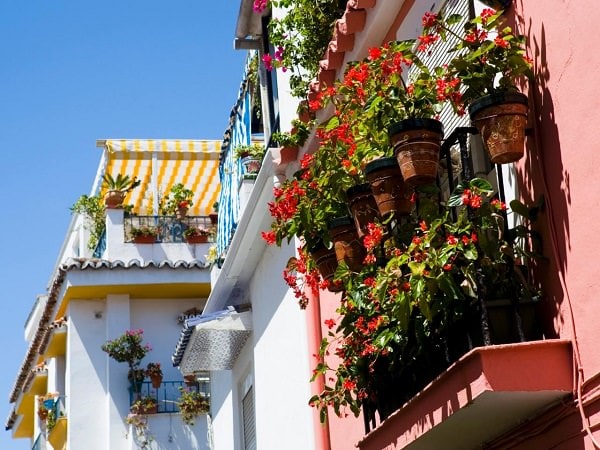
The urban cactus movement isn’t just a trend—it’s a renaissance. What began as a quirky hobby for apartment dwellers has evolved into a full-blown cultural shift. Rooftop gardens, once the domain of the elite, now bristle with cacti, their geometric forms adding a touch of the wild to the concrete savanna. Cafés and co-working spaces flaunt cactus-filled terrariums as centerpieces, while street vendors hawk them alongside coffee and croissants.
Even the most unlikely spaces have fallen under the cactus spell. Subway stations, once barren of life, now host vertical gardens where cacti cling to walls like urban lichen. Libraries and schools have embraced them as teaching tools, their slow growth cycles a metaphor for patience in a fast-paced world. The cactus, it seems, is the ultimate chameleon—adapting to every niche, from the humblest fire escape to the most avant-garde urban oasis.
The Aesthetic Alchemy: Why Cacti Are the Darlings of Designers and Dreamers
There’s something almost alchemical about a cactus. Its stark silhouette, its unexpected blooms, its ability to thrive in neglect—it’s the plant equivalent of a blank canvas waiting for the artist’s touch. Interior designers have fallen head over heels for cacti, pairing them with mid-century modern furniture or minimalist Scandinavian decor. Their forms are sculptural, their textures tactile, their presence undeniable.
And then there’s the color. Who could resist the electric pink of a Christmas cactus in full bloom, or the golden spines of a golden barrel cactus catching the light? Cacti are nature’s palette, offering hues that range from the muted to the magnificent. They’re the perfect antidote to the sterile grays of urban life, injecting a dose of the exotic into the everyday.
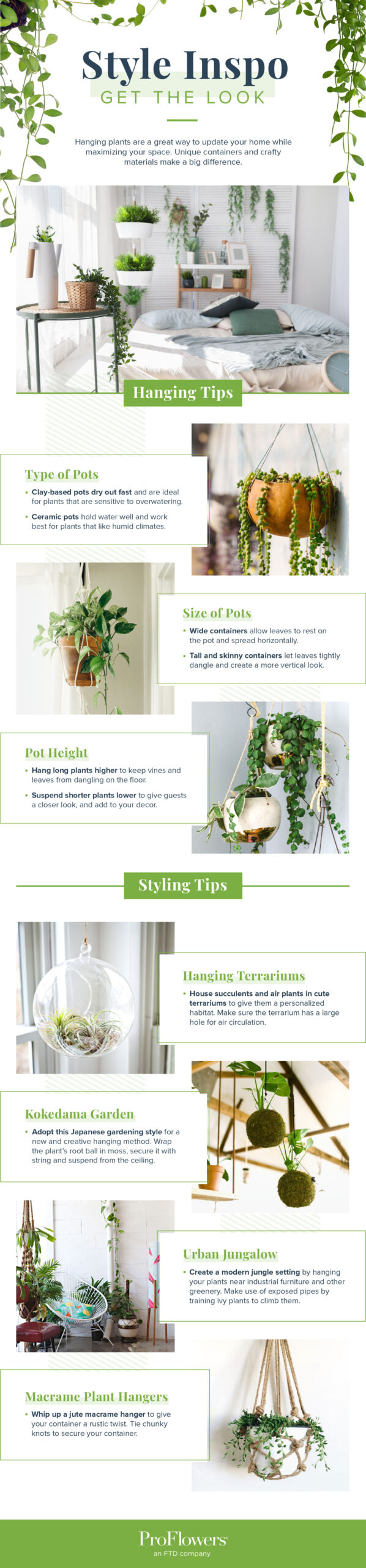
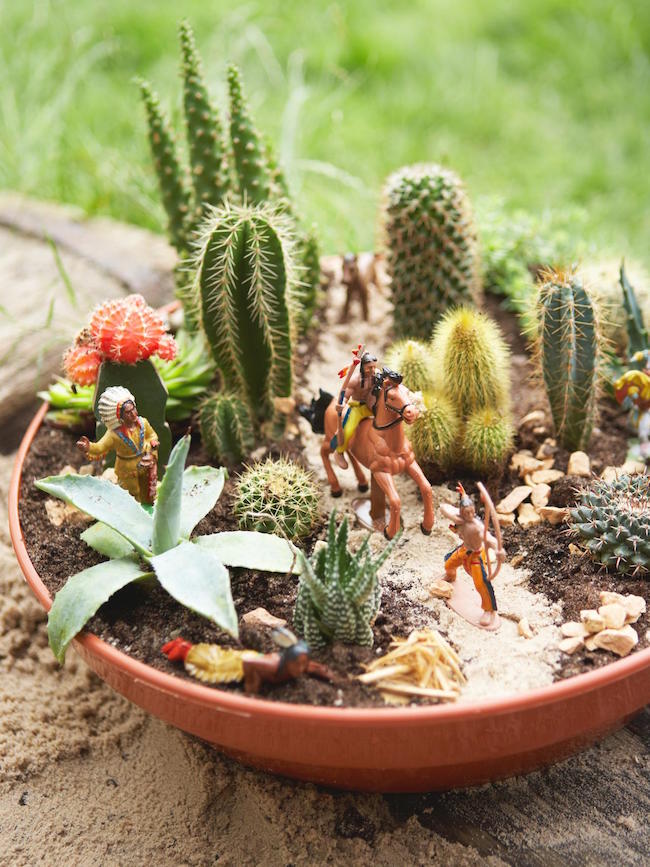
Even the act of arranging them has become an art form. From terrariums to hanging planters, cacti are being showcased in ways that defy convention. They’re no longer just plants; they’re statements.
The Psychological Oasis: How Cacti Heal the Urban Soul
In a world that moves at breakneck speed, cacti offer a rare gift: stillness. Their slow growth is a reminder that not everything needs to happen at once. They teach us to appreciate the small things—the unfurling of a new spine, the delicate dance of a bloom lasting but a single day. In doing so, they become more than plants; they become therapists, grounding us in the present moment.
Research has shown that interacting with plants—even in the smallest doses—can lower blood pressure, reduce anxiety, and boost mood. Cacti, with their quiet resilience, amplify these effects. They don’t demand attention; they simply are. And in a world that’s always asking for more, that’s a revolutionary act.
The Future of Urban Cacti: Trends to Watch
The cactus craze shows no signs of slowing. If anything, it’s evolving. Hybrid varieties, bred for urban conditions, are popping up in nurseries, their spines softer, their care even easier. Smart planters, equipped with moisture sensors, are making cactus parenting foolproof. And as vertical farming takes off, cacti are poised to become staples in the urban agriculture movement.
But perhaps the most exciting trend is the community aspect. Urban gardening collectives are sprouting up, where neighbors swap cuttings and trade tips on coaxing blooms from their spiky charges. Social media has turned cactus enthusiasts into a global tribe, sharing stories of resilience and creativity. The cactus, it seems, is not just a plant—it’s a movement.
As cities grow denser and greener spaces shrink, the cactus stands as a symbol of hope. It’s proof that even in the most unlikely places, life will find a way. And in the process, it’s teaching us all to slow down, to appreciate the small, and to embrace the prickly path to beauty.
FAQ
What makes cacti good for urban gardening?
Their low maintenance, minimal water needs, and ability to thrive in small and low-light spaces make cacti ideal for urban gardening.
Can cacti help with environmental concerns in cities?
Yes, cacti conserve water through xeriscaping and absorb carbon dioxide, aiding urban environmental sustainability.
How have urban spaces adapted to growing cacti?
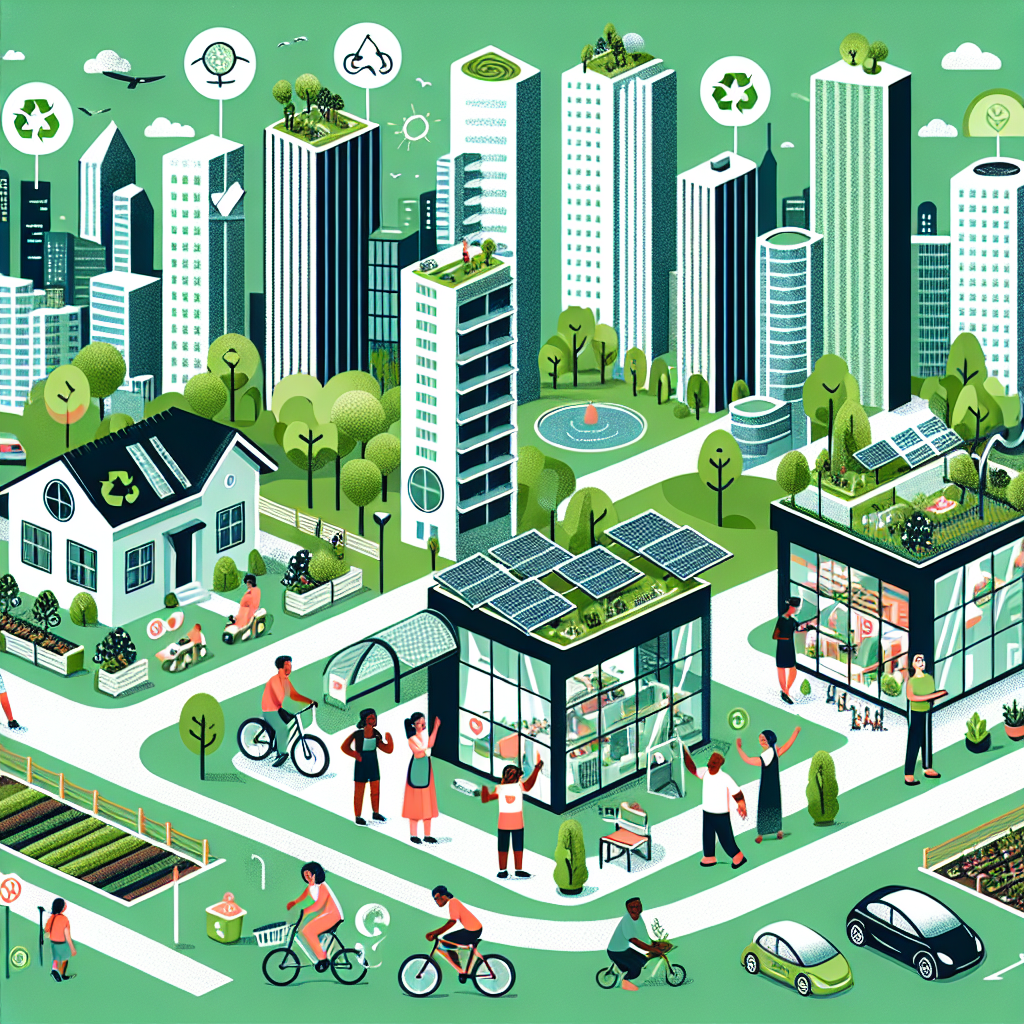
Urban spaces now incorporate cacti in rooftop gardens, terrariums, vertical walls, and communal green spaces.
Are there technological innovations for cactus care?
Yes, smart planters with moisture sensors and hybrid cactus varieties tailored for urban conditions are emerging.
What psychological effects do cacti have on urban dwellers?
Interacting with cacti can reduce stress, promote mindfulness, and enhance mood due to their slow growth and calming presence.


Leave a Reply