
Arizona is a veritable haven for cactus enthusiasts, boasting an impressive collection of species that thrive in its arid climate. The state’s diverse topography and microclimates foster a rich tapestry of flora, including various cacti that have adapted uniquely to the desert environment. This article delves into the most common cactus plants found in Arizona, exploring their distinctive characteristics, aesthetic appeal, and ecological significance.
As one traverses the expansive deserts of Arizona, the silhouette of the saguaro cactus often dominates the horizon. Renowned for its towering stature and iconic arm-like branches, the saguaro (Carnegiea gigantea) is the quintessential symbol of the American Southwest. Standing tall and majestic, an adult saguaro can reach heights of up to 40 feet and live for over a century. It bears white flowers, which bloom in the spring, exuding a fragrant allure that attracts a plethora of pollinators, including bats and bees. The aesthetic charm of the saguaro is undeniable; its imposing form offers dramatic contrast against the vibrant hues of a desert sunset, creating a sight that is both graceful and formidable.
Another common species proliferating in Arizona’s arid landscape is the organ pipe cactus (Stenocereus thurberi). Often dubbed the “queen of the desert,” this cactus is characterized by its numerous, upright columns that protrude from a central base, resembling a pipe organ. The organ pipe cactus thrives in both the sunlight and shade, which allows it to flourish in various conditions. Its nocturnal blooms, which are typically white or cream-colored, create a stunning visual spectacle under the light of the moon. These flowers are ephemeral, lasting merely for a night, thus adding an element of sensory intrigue to its beauty. This cactus also serves an essential ecological role as it provides sustenance to local wildlife, including insects, birds, and mammals.
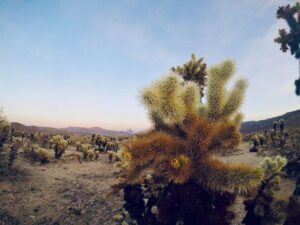
Beyond the striking saguaro and organ pipe cacti, the cholla cactus (Cylindropuntia spp.) deserves mention for its intricate beauty and poignancy. The cholla is identifiable by its segmented stems, adorned with small, dense spines that twinkle in the sunlight, creating a mesmerizing display of texture and shadows. Among the numerous varieties, the teddy bear cholla (Cylindropuntia bigelovii) stands out for its deceptively fluffy appearance. This allure is somewhat tantamount to a double-edged sword; although its spines look soft and inviting, they are capable of delivering a painful sting upon contact. The cholla’s spines, often a vibrant hue of green or golden during the day, transform into a dramatic palette of colors during dusk and dawn, evoking a sense of wonder and transformation.
Moving further along in our cactus exploration, we encounter the barrel cactus (Ferocactus spp.), an architectural marvel of the desert. These cacti are typically spherical or barrel-shaped and are known for being covered in prominent ribs lined with formidable spines. The golden barrel cactus (Echinocactus grusonii), with its robust form and spherical shape, has garnered admiration for its stunning resilience to harsh conditions and its vibrant yellow flowers that top its surface during blooming season. Barrel cacti can store significant amounts of water, allowing them to survive prolonged periods of drought. This water-storage capability is a key adaptation, making them a vital resource for various desert fauna.
Equally captivating is the fishhook barrel cactus (Ferocactus wislizeni), distinguished by its long, hook-like spines that seem almost designed to ensnare any hapless creature that ventures too close. Beyond its erratic beauty, this cactus has practical uses; its fruit is edible and often enjoyed by birds, mammals, and even humans during favorable seasons. The fishhook barrel cactus embodies both danger and beauty, a perfect expression of Arizona’s complex desert ecosystem.
The distinctive beauty of Arizona’s cacti is not merely aesthetic; these hardy plants illustrate the intricate relationships within the desert ecosystem. They are a keystone species, offering shelter and sustenance to numerous organisms. The flowers of various cacti serve as critical food sources for pollinators, while their fruits and pads provide nourishment to mammals, birds, and reptiles. Furthermore, the extensive root systems of cacti help stabilize the soil, thereby preventing erosion and contributing to the maintenance of the delicate desert landscape.
In conclusion, Arizona’s cactus species embody resilience, beauty, and ecological significance. From the towering saguaro to the delicate blooms of the organ pipe, each cactus contributes uniquely to the state’s natural heritage. Whether offering a feast for the eyes during sunrise or providing sustenance to local wildlife, cacti are more than mere plants; they are a symbol of endurance and adaptation in one of the most challenging environments on Earth. Exploring the landscape reveals not just plants but stories of survival and evolution, making Arizona a fascinating destination for those intrigued by the enchanting allure of cacti.



Leave a Comment