
Arizona boasts an extraordinary variety of cactus species, making it a premier destination for enthusiasts and nature lovers alike. From iconic silhouettes protruding against spectacular sunsets to the vibrant blooms that adorn these hardy plants, cacti in Arizona play a pivotal role in the state’s unique ecosystem. This article delves into the most popular cactus varieties found in Arizona, providing comprehensive guidance on their characteristics, habitats, and practical uses.
Whether you’re a botanist, a photographer, or an outdoor enthusiast, understanding these remarkable plants can enhance your appreciation for Arizona’s arid landscapes.
Exploring the Iconic Saguaro
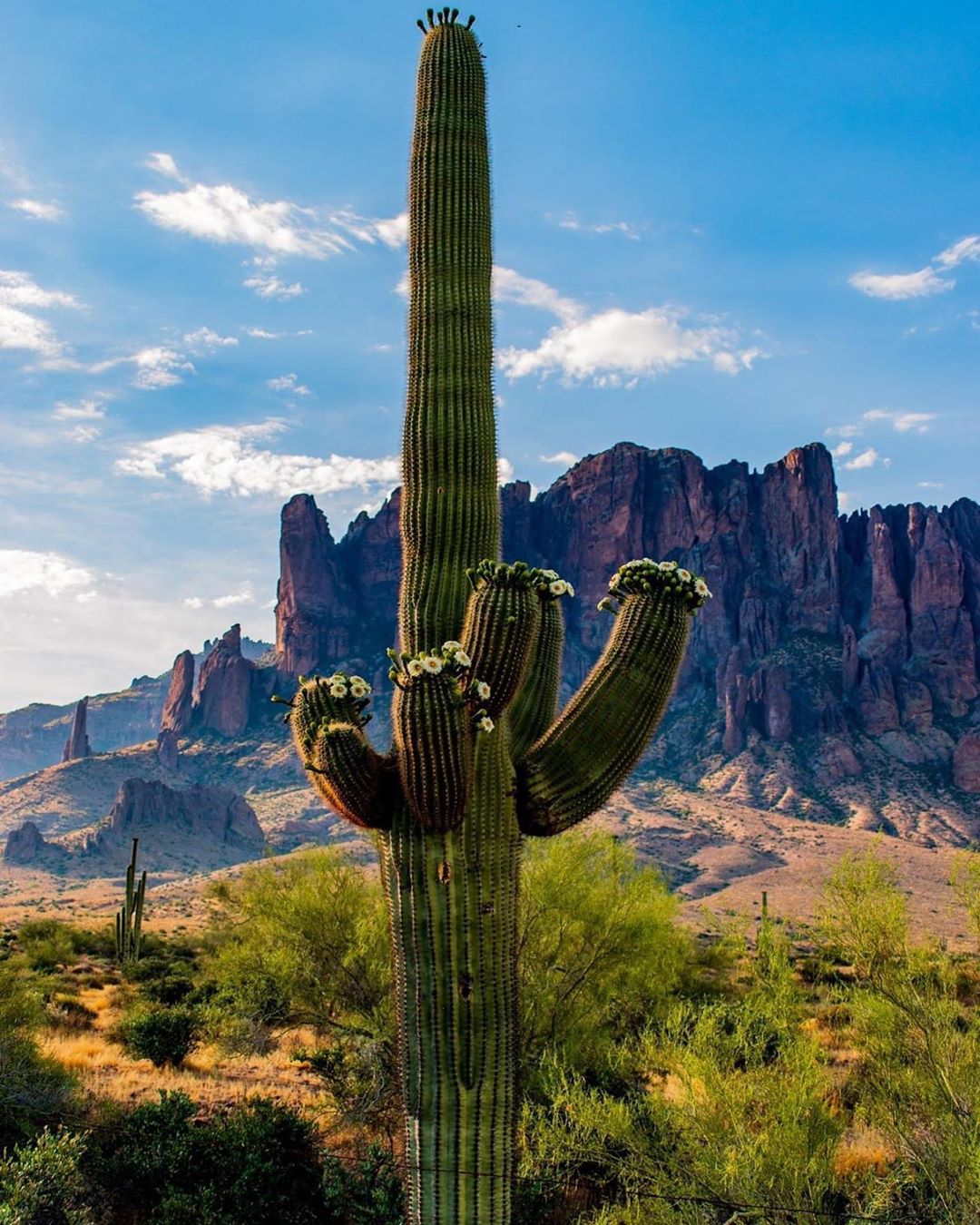
The Saguaro cactus (Carnegiea gigantea) is undoubtedly the most iconic representation of the American Southwest and is a symbol of Arizona itself. Towering as high as 40 feet, the Saguaro stands as a majestic figure against the Sonoran Desert backdrop. Not only does it have a lofty presence, but its unique arms, which typically begin to grow after the cactus reaches about 50 years of age, create a distinctive silhouette that is instantly recognizable.
These cacti can live for over 150 years and are crucial to the desert ecosystem. They provide shelter and sustenance to many species, including birds, insects, and mammals. The flesh of the Saguaro is edible and can be harvested responsibly for its fruit, which is often used to make jam, syrup, or alcoholic beverages. As an environmentally conscious traveler or resident, it’s important to respect the local guidelines regarding harvesting to ensure the sustainability of this magnificent species.
Delving into the Cholla Variants
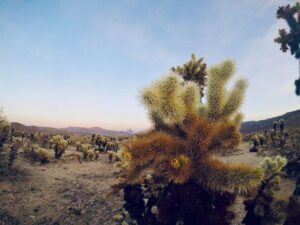
Cholla cacti belong to the genus Cylindropuntia, and there are several notable species scattered throughout Arizona. Among them, the Teddy Bear Cholla (Cylindropuntia bigelovii) stands out for its deceptively soft appearance that conceals sharp, barbed spines. Visitors are often captivated by its bright green limbs and its exquisite flowering in spring, which blooms in vibrant colors ranging from yellow to pink.
However, utmost caution is advised when approaching this cactus. The namesake “Teddy Bear” refers to its fuzzy look rather than its touchable nature. When disturbed, segments of this cactus can easily detach and stick to clothing or skin, emitting its namesake as a cautionary tale for the unwary.
Another popular type is the Jumping Cholla (Cylindropuntia fulgida), known for its tendency to “jump” onto passersby when brushed against due to its segmented nature. This unique characteristic has made it infamous in hiking circles. Despite their prickly reputation, Chollas play a significant role in desert ecosystems by providing food and habitat for various desert animals. Their fruit, rich in nutrients, can be consumed, although it requires careful preparation to avoid the spines.
Understanding the Barrel Cactus
Barrel cacti, found throughout the deserts of Arizona, are distinguishable by their rounded, stout forms and prominent ribs. The most common species is the California Barrel Cactus (Ferocactus cylindraceus). These resilient vegetation structures can survive harsh arid conditions and maintain water storage capabilities within their thick, fleshy bodies.
Arguably a highlight of the Barrel cactus is its stunning blossom. A transformation occurs each spring, as vibrant, often fiery, yellow or red flowers bloom atop the cactus, showcasing nature’s artistry against the desolate landscape. In addition to their beauty, Barrel cacti are also resourceful plants in survival contexts. Traditional practices among indigenous peoples included utilizing the moist flesh of the Barrel cactus in food and medicinal applications.
Exploring the Prickly Pear Family
Another significant variety native to Arizona is the Prickly Pear cactus (Opuntia spp.), which is known for its flat pads and vibrant fruit, called tunas. These cacti are not only visually striking but also serve an essential function within the ecosystem. Prickly Pears can grow in diverse habitats and are noted for their ability to thrive in extremely dry conditions.
From culinary uses to various medicinal properties, the Prickly Pear retains cultural significance among local communities. The pads are edible, often grilled or used in salads, and the fruit can be made into jellies, syrups, and beverages. The unique, sweet flavor of Prickly Pear fruit adds diversity to culinary experiences. It’s essential to handle this cactus delicately due to its glochids—tiny spines that can easily detach and embed in skin, leading to irritation.
Preserving Cactus Ecologies
In the broader context, the conservation of cacti is vital. Many species face threats from urban development, climate change, and invasive species. Through education and conservation efforts, both residents and visitors can contribute to preserving these magnificent plants and their habitats. Engaging in responsible tourism—such as staying on designated trails and leaving cacti undisturbed—ensures that Arizona’s cacti will continue to thrive for generations to come.
As a culturally and ecologically significant component of Arizona’s landscape, cacti are deserving of respect and admiration. Whether you encounter them on a sweeping desert hike or incorporate elements into your sustainable diet, understanding cactus varieties and their uses enhances the experience of this unique region. So, next time you witness the magnificent Saguaro or the delightful bloom of a Prickly Pear, pause to appreciate the intricate details and roles these plants play in the intricate tapestry of desert life.



Leave a Comment