
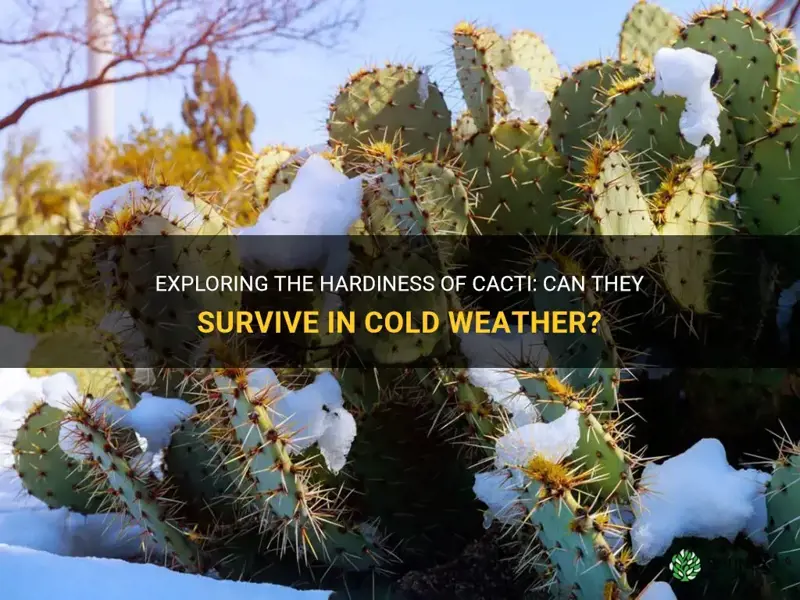
Can cacti actually brave the chill of winter? This question resonates with both enthusiastic gardeners and curious onlookers alike. Cacti are often emblematic of arid landscapes, where their adaptive traits reveal a world well-suited to heat. However, the more intriguing narrative lies in the realm of cold-tolerance. Many fail to recognize that not all cacti shudder at the mere thought of frost; indeed, some species thrive in colder climates, challenging our preconceived notions about these resilient succulents.
The dichotomy between warm and cold environments presents a fascinating investigation into the biology, adaptations, and ecological niches of various cactus species. Understanding cold-tolerant varieties uncovers the evolutionary testament of these plants, showcasing their multifaceted adaptability. With that premise, let us delve into the world of cacti that not only survive but flourish when temperatures dip.
Identifying the Cold-Tolerant Varieties of Cacti
Before embarking on a journey into the physiological adaptations of cold-tolerant cacti, it is essential to pinpoint which species lay claim to this title. The taxonomy of cacti offers a diverse assortment, yet only a select few exhibit resilience against the cold. The Opuntia genera, commonly known as prickly pears, stand at the forefront. Several varieties, such as Opuntia fragilis and Opuntia polyacantha, demonstrate remarkable cold hardiness, thriving even amidst frosty conditions.
Another contender is the Echinocereus genus, with species like Echinocereus triglochidiatus showcasing an impressive ability to endure chilling temperatures, often found in the mountainous terrains of Arizona and New Mexico. This genus exemplifies the adaptability of cacti to diverse ecological niches, extending their habitats beyond the deserts into colder realms.
Cultivating a Contrast: Cold Weather Adaptations
Survival in cold weather poses a unique set of challenges for any plant, and cacti have evolved ingenious adaptations to counteract the effects of low temperatures. These adaptations are crucial in preventing cellular damage during sudden temperature drops. One of the most fascinating traits is the accumulation of certain sugars and proteins—act like antifreeze within the plant. This biochemical strategy lowers the freezing point of intracellular juices, preserving cellular integrity despite the frigid surroundings.
A common yet often overlooked adaptation is the formation of a waxy coating on the cactus surface. This protective layer not only curtails water loss, a concern in both heat and cold, but also withstands the harsh impacts of freezing temperatures. The rigidity of cactus structures, coupled with a unique form of succulence, allows these plants to retain moisture and nutrients, ensuring their robustness despite environmental adversity.
Moreover, the architecture of cold-tolerant cacti often resembles that of their warm-weather counterparts, yet with notable variations. These cacti may exhibit a more compact growth form, minimizing exposure to the elements. Additionally, some species may adopt a prostrate habit, hugging the ground to escape the wrath of cold winds and direct frost exposure. Such evolutionary strategies culminate in a formidable existence where survival hinges on both form and function.
Designing the Ideal Cold Cactus Habitat
For avid gardeners intrigued by the notion of cultivating cold-hardy cacti, designing an accommodating habitat is pivotal. Here, we venture into practical strategies for successful cultivation.
Firstly, selecting the right microclimate within your garden is essential. Cacti thrive best in areas that receive ample sunlight but also possess some degree of shelter from harsh winds. If natural variations are insufficient, consider implementing windbreaks or strategically planting taller perennials to provide a buffer during winter.
Soil drainage is critical for the wellbeing of cacti, particularly in colder conditions where waterlogged roots can lead to rot. A blend of coarse sand, gravel, and organic matter can create an ideal substrate, ensuring moisture travels through the root zone efficiently while permitting ample airflow.
When winter approaches, it is advisable to take preventative measures such as mulching with materials like pine needles or straw. These layers create thermal insulation, safeguarding root structures from sudden freezes. Moreover, containers made of porous materials enhance this protective strategy—consider using terracotta pots that allow temperature fluctuations while providing adequate drainage.
Expanding Your Cactus Collection: Beyond Cold-Tolerant Varieties
As curiosity drives you to explore the world of cacti further, consider expanding your collection to include varied species and hybrids that appeal to your aesthetic and ecological interests. Some gardeners lean towards a mix of cold-hardy and heat-loving cacti to create a diverse xeriscape. This juxtaposition encourages a layered environment that showcases the nuances of different species while educating on their respective needs.
Ultimately, understanding cold-tolerant cacti is more than just a fixation on survival; it offers a perspective of adaptability, resilience, and the marvels of evolution. By cultivating these fascinating varieties and carving out niches for them in your garden, you not only contribute to biodiversity but also generate a deeper appreciation for nature’s unyielding creativity. This exploration piques the curiosity of all who encounter the majestic beauty of cacti—reminding us that even the hardiest of plants can embrace the chill.



Leave a Comment