
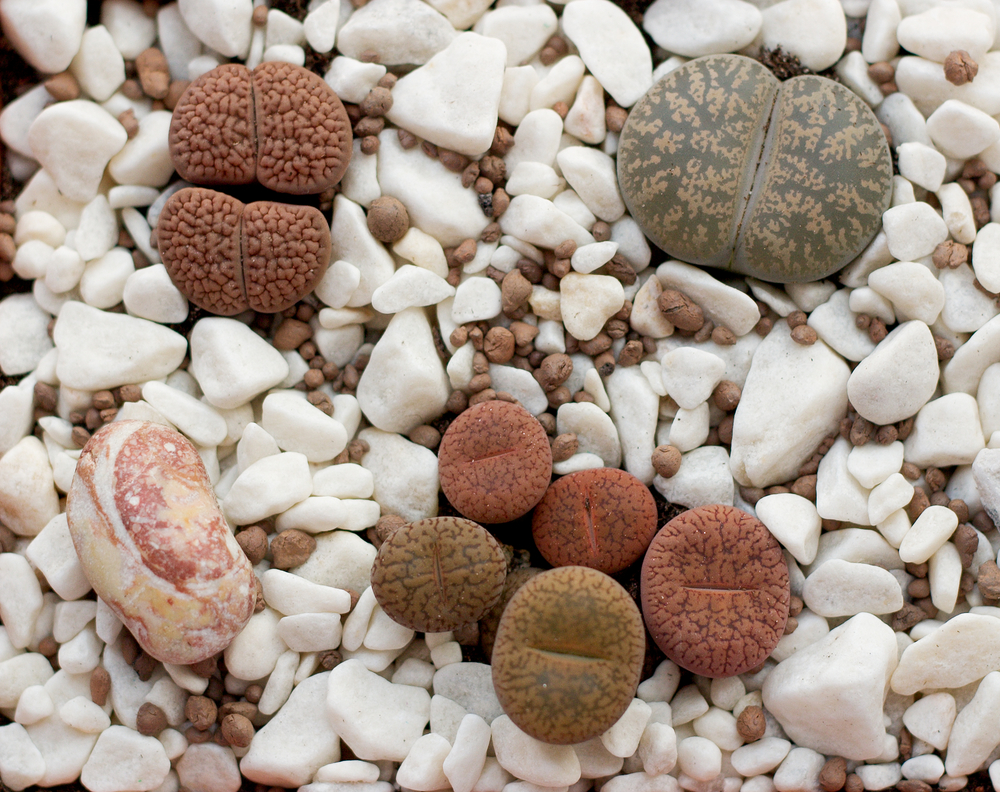
When it comes to the world of succulent plants, few can capture the imagination quite like Lithops. Often referred to as “living stones,” these remarkable plants possess an extraordinary aesthetic appeal that delights both novice gardeners and seasoned horticulturists. However, the question arises: can you eat Lithops? This inquiry begs a deeper exploration into the nature of these intriguing succulents and their relationship with human consumption.
To fully appreciate Lithops, one must first delve into their striking morphology. Originating from the arid regions of southern Africa, these plants have evolved to mimic the appearance of pebbles and stones. This natural camouflage provides an efficient defense mechanism against herbivores. Their unique adaptations enable them to survive in environments with limited water while simultaneously creating a tableau of earthy hues and patterns that fascinate plant enthusiasts. But, as stunning as they are, the question of edibility continues to linger in the minds of many.
Understanding Lithops: A Closer Look
At first glance, Lithops can be mistaken for ordinary rocks strewn across the desert floor. These succulent marvels are composed of two fleshy leaves, which are typically split down the middle, fusing at the base. The surface of these leaves is adorned with eye-catching patterns that range from mottled greens and browns to even translucent features that catch the light. This sly mimicry is not just for show; it serves a vital role in their evolution and survival.
Lithops do not produce traditional flowers like many other succulents, but they do bloom sporadically, unveiling bright, daisy-like blossoms that emerge from the fissures between their leaves. These flowers contribute to the plant’s striking appearance during their blooming season, inviting curiosity from admirers and potential inquisitors alike.
The Paradox of Edibility
Although Lithops may seem like an enticing culinary option due to their succulent nature, they are not generally considered edible. Consuming these plants could have adverse effects, as they do not possess the necessary nutritional attributes that define food sources. Their leaves are composed primarily of water and are not known for flavor or culinary versatility. In fact, the toxicities present in some varieties may lead to digestive discomfort or other health issues upon ingestion.
While the allure of tasting such a unique and visually captivating plant is tempting, it is imperative to remember that these are not conventional vegetables or herbs. Instead, Lithops serve primarily as ornamental specimens, enhancing the visual appeal of indoor and outdoor gardens alike.
The Aesthetic Allure of Lithops
Despite their inedibility, the aesthetic value of Lithops cannot be overstated. Their remarkable ability to camouflage themselves within their surroundings makes them a subject of fascination for collectors and hobbyists. The connoisseur of Lithops will often curate a diverse collection, showcasing the multitude of species and varieties available. Each plant tells a story of adaptability and resilience, qualities that resonate profoundly with those who engage in gardening or plant collection as a passion.
Furthermore, the textures and colors of Lithops offer limitless opportunities for creative displays. When arranged in shallow bowls or terrariums, their unique forms create stunning visual compositions that captivate observers and spark conversations. The experience of caring for these plants can also be deeply rewarding, as gardeners learn about their specific needs for light, water, and soil, fostering a connection that extends beyond mere appearance.
Understanding Care and Cultivation
To truly appreciate the beauty of Lithops, one must understand the nuances of their care. These plants thrive in well-draining soil and require minimal water. To prevent rot, it is essential to allow the soil to dry out completely between watering sessions; overwatering is one of the most common mistakes made by Lithops cultivators. They demand bright light, ideally in a south-facing window, to maintain their vibrant colors and promote healthy growth.
Moreover, monitoring temperature is critical, as Lithops prefer warm environments and can be sensitive to extreme cold. Seasonally, it is necessary to adjust care practices, allowing them to enter a dormant phase during cooler months. This careful balance of attention and restraint ultimately leads to flourishing specimens that reward their caretakers with ethereal beauty.
The Fascination with Edible Suction
In various cultures, there exists a long history of utilizing succulent plants for nourishment. While Lithops do not fall into this category, their relatives, such as cacti, often provide edible pads and fruits. This intersection of aesthetics and utility stirs intrigue among those interested in exploring the broader spectrum of succulents and their potential culinary uses. The juxtaposition of agricultural tradition versus ornamental appreciation further elevates the allure of Lithops, positioning them as a focal point of fascination within the succulent community.
In conclusion, Lithops captivates both the eye and the mind with their distinctive appearance and adaptations. While the question of edibility may be off the table, their allure as ornamental plants remains potent. Embracing these living stones in your garden allows you to witness firsthand the wonders of nature’s creativity. The beauty they bring and the delicate care they require create a rich tapestry of horticultural experience, making them a worthwhile addition for any plant enthusiast.




Leave a Comment