
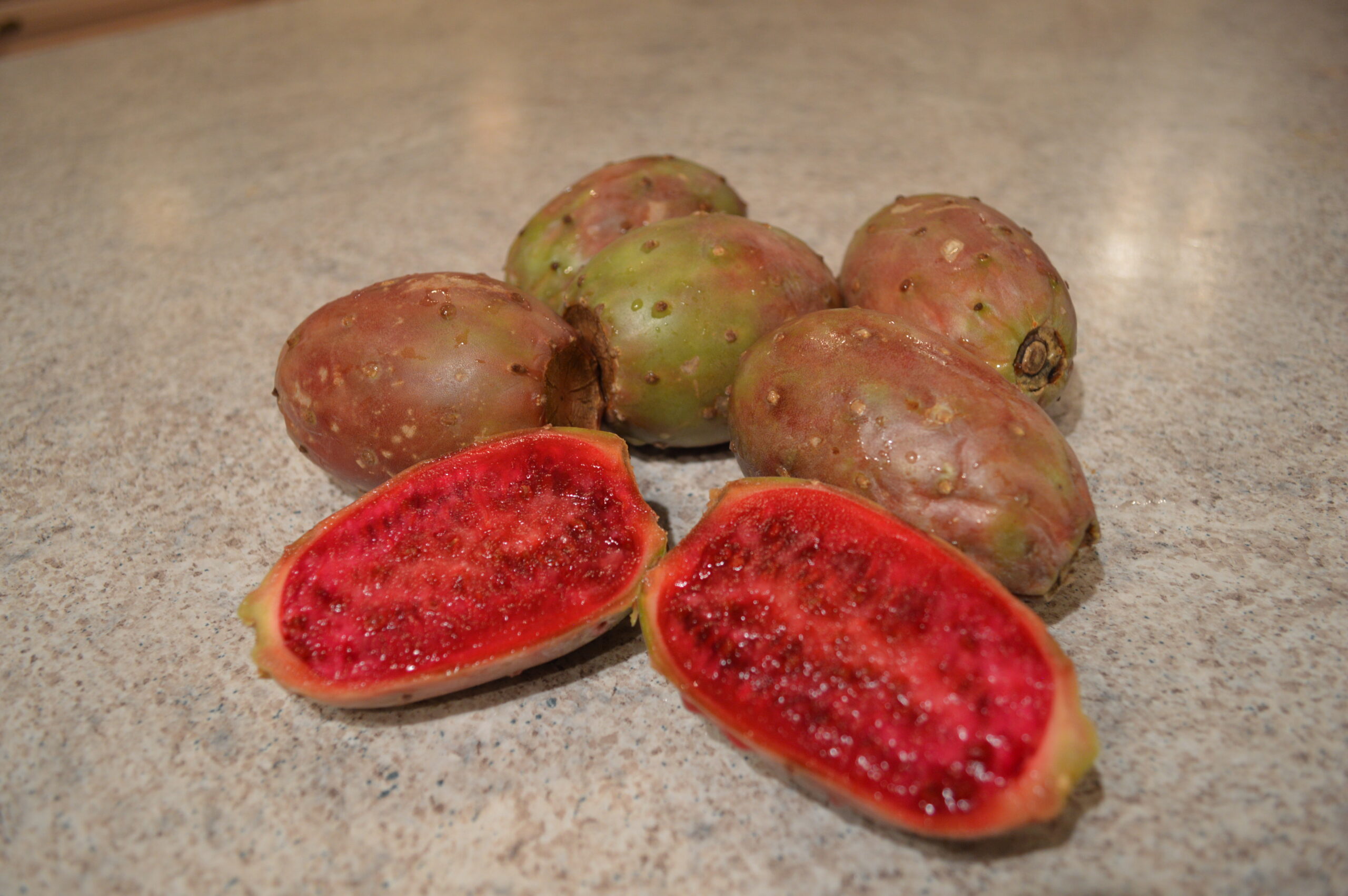
The prickly pear cactus, or Opuntia, is not only notable for its vibrant fruit but also for its seeds. As the interest in superfoods and plant-based diets has burgeoned, many are left wondering: can you eat prickly pear seeds? Exploring this query reveals a tapestry of culinary potential, nutritional value, and practical considerations.
Prickly pear seeds, found nestled within the fleshy fruit of the cactus, are often overlooked in favor of the bright pulp they surround. However, these seeds hold their own unique characteristics, making them worthy of attention. First, it is essential to examine the nutritional profile of these seeds, which can substantiate their consumption.
Incorporating prickly pear seeds into your diet can provide a rich source of dietary fiber, essential for digestive health. The seeds contain high levels of fiber, which aids in promoting regular bowel movements and fostering a feeling of fullness. For those seeking to manage their weight or improve their digestive processes, this fiber content is significant. Additionally, prickly pear seeds contain healthy fats, particularly unsaturated fats, which are beneficial for heart health.
Another important aspect of prickly pear seeds is their antioxidant potential. Antioxidants play a crucial role in combatting oxidative stress in the body, which can lead to chronic diseases. The seeds offer a variety of vitamins and minerals, including vitamin E and magnesium. These nutrients contribute to overall well-being, supporting everything from skin health to metabolic function.
While the nutritional benefits are clear, there are practical considerations for consuming prickly pear seeds. Their texture is often a point of contention. For many, the seeds are crunchy and can add a delightful contrast to the soft flesh of the fruit. However, others may find the toughness of the seed unpalatable. It is essential to consider personal preference when contemplating the consumption of these seeds. Indeed, how can one enjoy the delightful flavor of prickly pears while accommodating their seeds?
One method to mitigate the chewiness of prickly pear seeds is to obtain the flesh without the seeds. This process typically involves juicing or blending the fruit, creating a smooth puree that can be added to smoothies, salad dressings, or desserts. When juiced, the seeds can be more palatable or even blended into whole food recipes where they can contribute fiber without overpowering texture.
Additionally, roasting the seeds can present a delicious alternative. Toasting prickly pear seeds enhances their flavor, bringing out nutty undertones that can elevate various dishes. Roasted seeds can be enjoyed as a snack, added to trail mixes, or even used as a crunchy topping for salads and soups. This method not only improves the flavor but also makes them more digestible.
When considering where to find prickly pear seeds, they are available in various forms, including raw, dried, and roasted. It is essential to ensure that any seeds purchased are sourced from reliable suppliers to avoid potential contaminants. Organic seeds are preferable, as they are less likely to be treated with harmful pesticides or chemicals.
For those interested in growing their own prickly pear cacti, sourcing seeds can be an exciting endeavor. With many resources available online, one can find seeds suited to their local climate. Planting prickly pear seeds can lead to a sustainable source of fruit, collectively creating an ecosystem around this extraordinary plant.
As with any food, moderation is key. While the seeds carry numerous benefits, overconsumption can lead to digestive issues for some individuals. It is advisable to start with small quantities and gauge individual tolerance before integrating them into the regular diet.
In conclusion, prickly pear seeds indeed provide an array of nutritional benefits while offering delicious avenues for culinary experimentation. Their fiber content, healthy fats, and antioxidant properties contribute positively to a balanced diet. Whether consumed whole, juiced, or roasted, prickly pear seeds can enhance both flavor and nutritional value. For those willing to venture beyond the flesh of the fruit, these seeds present an exciting opportunity to embrace the versatility of the prickly pear cactus. As the world increasingly embraces plant-based diets and superfoods, including prickly pear seeds can figuratively and literally add depth to one’s nutritional palette.




Leave a Comment