
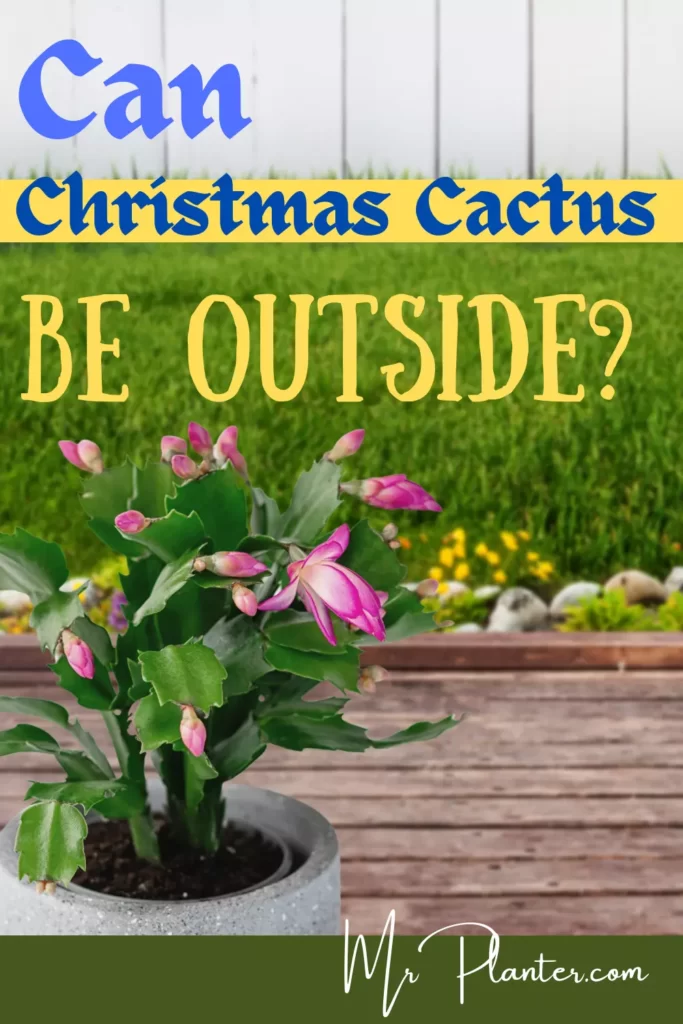
As the vibrant hues of summer beckon, many plant enthusiasts ponder an intriguing question: Can you put a Christmas cactus outside? These charming succulent plants, known for their striking blooms during the winter months, often reside indoors. However, with the right conditions and care, they can thrive in outdoor settings. This exploration will not only answer this question but also provide essential tips for transitioning your Christmas cactus outdoors.
Understanding the Unique Needs of Christmas Cactus
Before considering the outdoors as a new home for your Christmas cactus, it’s crucial to acknowledge its biological and environmental needs. Unlike other types of cacti, the Christmas cactus (Schlumbergera truncata) is a tropical plant. Native to the humid forests of Brazil, it thrives in conditions far removed from arid deserts.
These plants prefer temperatures ranging from 65°F to 75°F (18°C to 24°C). Rapid changes in temperature, particularly ones that dip below 50°F (10°C), could stun the plant, leading to stress or even death. The Christmas cactus also craves indirect sunlight; intense direct light can result in scorched leaves, effectively damaging the plant’s lush, fleshy segments. Summer months can bring an ideal opportunity to provide your Christmas cactus with fresh air and the right amount of moisture.
The Timing is Everything: When to Move Outdoors
Timing plays a pivotal role in transitioning your Christmas cactus outdoors. The ideal window to move it outside is after the last frost has passed, typically around late spring to early summer. Ensuring that outdoor temperatures consistently remain above 50°F will safeguard your plant from temperature shock. Check local frost dates to determine the perfect moment to introduce your cactus to its summer habitat.
If your area experiences unpredictable fluctuations in temperature, consider employing a gradual acclimatization strategy. Begin by placing your Christmas cactus in a sheltered outdoor location, such as under the shade of a larger tree or patio coverage. This approach allows the plant to adapt to its new environment without the harsh impact of direct sunlight or torrential rains.
Setting the Scene: Ideal Outdoor Conditions for Your Christmas Cactus
Choosing the right spot in your garden or balcony is the next step in the quest for outdoor enjoyment. As mentioned earlier, Christmas cacti favor indirect sunlight. A location that receives filtered light or partial shade is ideal. Placing a container beneath a canopy of foliage or a pergola can help reduce the intensity of the sun’s rays while still allowing sufficient brightness for photosynthesis.
Moisture is another pivotal element. Christmas cacti thrive in well-draining soil that retains some moisture without becoming waterlogged. Consider using a soil mix formulated for cacti or succulents, enhanced with organic matter for improved moisture retention. Additionally, ensure that your container has drainage holes to prevent root rot, a common affliction when overwatering.
Watering Needs: Striking the Right Balance
Outdoor conditions often change, affecting how much water your Christmas cactus will require. As a rule of thumb, allow the soil to dry out slightly before watering again. Checking the moisture level with your finger or a moisture meter can prevent over or under-watering.
During the hotter months, it may be necessary to check more frequently—sometimes daily. However, if lower humidity levels prevail, the plant may require less frequent watering. As always, monitor your cactus for signs of distress, such as shriveling stems or wilting. These changes can provide valuable clues regarding its hydration status.
Potential Threats: Protecting Your Christmas Cactus from Pests and Harsh Weather
While your Christmas cactus may bask blissfully during the warm months, it’s essential to remain vigilant for potential threats. Pests such as mealybugs and spider mites can emerge in outdoor settings, where natural predators may not thrive. Regularly inspect the leaves and stems for signs of infestation. A gentle spray of water or insecticidal soap can help manage any unwelcome guests before they become a serious issue.
In addition to pests, consider the impact of sudden weather changes. Heavy rainfalls or storms can pose a risk to your Christmas cactus. If the forecast predicts inclement weather, it is prudent to bring the plant indoors temporarily. Furthermore, if fall approaches and temperatures start to drop again, be prepared to transition your cactus back indoors to ensure its continued health.
Conclusion: A Flourishing Summer Awaits
The prospect of moving your Christmas cactus outdoors should not merely ignite curiosity but should also be viewed as an opportunity for growth—both for the plant and the gardener. Engaging with the natural world can enhance your connection with this remarkable plant. As you prepare for this transition, remember that the right timing, suitable conditions, and constant vigilance are key to fostering a flourishing summer for your Christmas cactus. With a little care and consideration, the outdoors can provide a refreshing environment for continued bloom and vitality.



Leave a Comment