
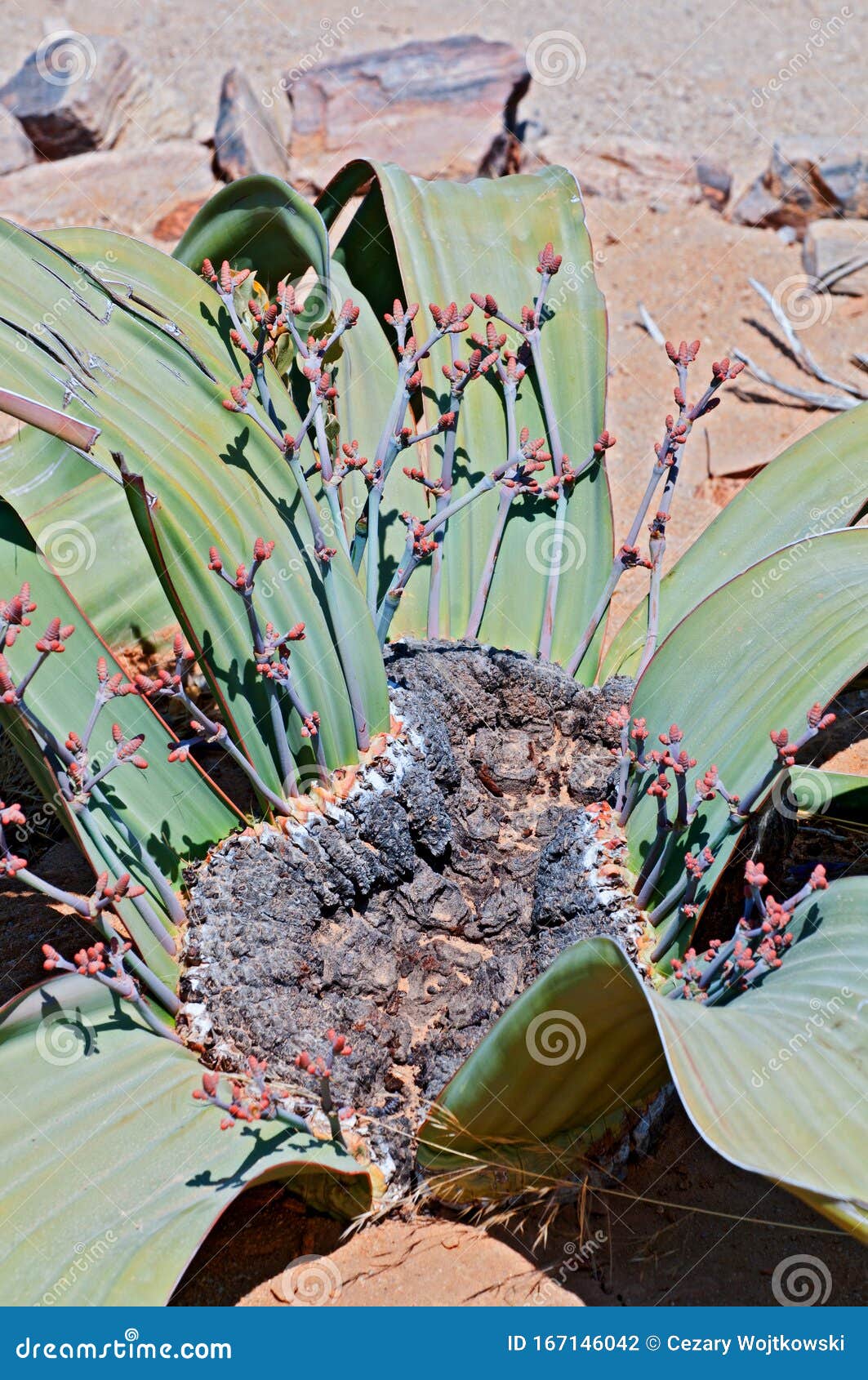
Welwitschia mirabilis, often referred to simply as Welwitschia, is a truly remarkable plant native to the arid regions of Namibia and Angola. As one of the most bizarre and ancient plants known to science, its unique morphology and extraordinary resilience in harsh environments capture the imagination of botanists and plant enthusiasts alike. Traditionally associated with desert landscapes, this unique species commands an appreciation that extends beyond its strikingly unusual appearance. Understanding the intricacies of caring for Welwitschia can enhance its longevity and vibrancy for cultivators eager to connect with such an intriguing organism.
The allure of Welwitschia lies not only in its striking features but also in its intriguing life cycle. The plant exhibits a fascinating growth pattern characterized by only two leaves that continuously grow throughout its lifetime, which can span over a millennium. Consequently, proper care is vital for those who wish to cultivate this enchanting yet challenging species.
To have success in nurturing Welwitschia mirabilis, one must first acknowledge the environmental factors essential for its growth.
Creating the Right Habitat: Understanding Environmental Needs
Welwitschia prefers an environment that closely mimics its native habitat in the Namib Desert, characterized by low humidity and extreme temperatures. Hence, a dry and arid climate is optimal. For those in temperate regions, growing Welwitschia in a greenhouse or indoors can help maintain the necessary dry conditions.
Temperature is critical. Ideally, daytime temperatures should range between 70°F to 85°F (21°C to 29°C) while nighttime temperatures can drop to as low as 50°F (10°C) without harm. It’s important to note that this plant is not frost-tolerant, so a frost-free environment should be ensured.
Light conditions are equally significant. Welwitschia thrives under full sunlight exposure, requiring at least six hours of direct sunlight daily to maintain its health and vibrancy. If grown indoors, placing it near a south-facing window or under grow lights will help fulfill its light requirements. Insufficient light can lead to weakened growth and undesirable etiolation.
Furthermore, soil requirements must not be overlooked. Welwitschia mirabilis favors well-draining sandy or gravelly soil, which prevents root rot. A cactus or succulent soil mix can serve well, but it is advisable to augment it with coarse sand or pumice to enhance drainage. The pH level should ideally hover around neutral to slightly alkaline for optimal growth.
Watering Practices: The Balancing Act
When it comes to watering Welwitschia, moderation is key. In its native habitat, this plant experiences infrequent rainfall, sometimes going for extended periods without moisture. As such, replicating these conditions is crucial for maintaining its health. Watering should generally be done every 2-4 weeks, depending on the growing season and environmental humidity. During its active growth phase (spring and summer), slightly more frequent watering may be warranted, while in fall and winter, the plant often requires far less.
Overwatering, the most common mistake among cultivators, can lead to detrimental consequences such as root rot. It is prudent to allow the soil to dry significantly between waterings—ensuring that the pot has ample drainage holes to avoid water accumulation. A general rule of thumb is to stick a finger into the soil; if it’s dry to the touch up to the first knuckle, it’s time to water. During watering sessions, it is wise to provide a thorough soak, allowing water to permeate the entire root zone before allowing the plant to dry out.
Fertilization: Nurturing Nutritional Needs
While Welwitschia is notably resilient and often thrives in nutrient-poor soils, regular fertilization can improve its growth and overall health. An occasional application of a diluted, balanced fertilizer can boost the plant’s vigor. Fertilization is best conducted during the active growing season, ideally once every month or so. Choosing a fertilizer specifically formulated for cacti or succulents will ensure the right nutrient balance is provided.
The application should be done with care; over-fertilizing can lead to salt buildup in the soil, ultimately posing a risk to the plant’s health. Utilizing a liquid fertilizer diluted to one-half strength will help mitigate this issue and offer the necessary nourishment without overwhelming the plant’s systems.
Pest and Disease Management: Vigilance is Vital
Despite its hardy nature, Welwitschia may occasionally attract pests such as mealybugs or aphids. Regular assessment of the plant is essential. Should pests be detected, addressing them promptly via neem oil or insecticidal soap is advisable to prevent infestations.
Diseases, while less common, can also affect Welwitschia, particularly in conditions of excessive moisture. Symptoms of fungal infections may manifest as dark spots on the leaves. Promptly removing infected material and improving airflow around the plant can aid in disease prevention.
Harvesting Seeds and Propagation: Expanding Your Collection
For those interested in propagation, Welwitschia can be grown from seeds, although the process may be prolonged. Fresh seeds should be planted in a well-draining substrate and kept in a warm area with adequate light. Germination can take up to several months, requiring patience and diligence. Those who succeed in growing Welwitschia from seed will not only witness the wonder of its life cycle but will expand their connection to this extraordinary plant.
Caring for Welwitschia mirabilis offers unique challenges and rewards. Cultivators are drawn to the plant’s intriguing adaptations, evocative of resilience and endurance against seemingly insurmountable odds. By understanding its requirements and nuances, one can cultivate a thriving specimen that serves not only as a plant but as a living testament to the harsh yet beautiful ecosystems from which it hails. This adds to the richness of botanical diversity, showcasing the intertwined relationship between plants and their enduring journey to survive and flourish.


Leave a Comment