
Short Answer
Chicken Grit, a seemingly humble aggregate material, holds the potential for substantial benefits in the realm of horticulture. Traditionally revered in avian husbandry to aid digestion in chickens, this granular substance can be cleverly repurposed for thriving plant care. As we delve into the multifaceted applications of chicken grit, it becomes imperative to understand its composition, benefits, and optimal usage techniques for achieving enviable plant health.
At its core, chicken grit comprises small, hard particles, primarily from crushed granite or quartz. This mineral-rich content is instrumental in facilitating digestion within poultry, but its virtues extend far beyond the coop. When applied to soils and gardens, chicken grit imparts various advantages that support plant growth and maintain ecological balance.
Understanding the Essential Composition of Chicken Grit
Before integrating chicken grit into your gardening practices, comprehending its composition is crucial. Generally, chicken grit can be categorized into two types: insoluble and soluble. Insoluble grit, often made from granite, is used for digestive purposes. Conversely, soluble grit—typically composed of oyster shells or limestone—dissolves over time, releasing calcium, which is vital for plant vitality.
Chicken grit predominantly contains minerals like calcium, potassium, magnesium, and trace elements. These minerals contribute significantly to soil health. The rocky texture of chicken grit encourages aeration, improved drainage, and overall soil structure. Consequently, these attributes foster an environment conducive to root development and nutrient absorption in plants.
The Benefits of Incorporating Chicken Grit into Your Gardening Routine
Integrating chicken grit into your cultivation strategy can significantly enhance plant health. Here are several noteworthy benefits to consider:
1. Enhanced Drainage and Soil Aeration
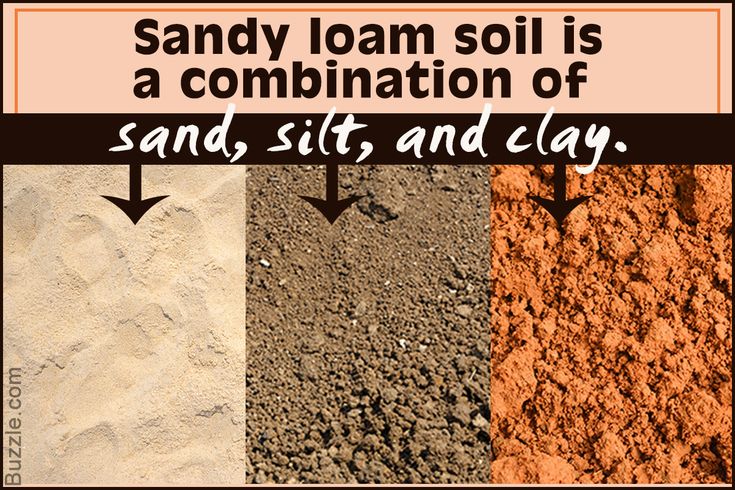
One of the primary advantages of using chicken grit is its ability to improve drainage in compact soil. In heavy clay soils, water can become trapped, creating anaerobic conditions detrimental to plant roots. When mixed into the soil, chicken grit encourages aeration and allows excess moisture to drain away, thus preventing root rot and other moisture-related ailments.
2. Nutrient-Rich Soil Amendment
As previously noted, chicken grit contributes various beneficial minerals to the soil. Elevated calcium levels prevent blossom end rot in crops like tomatoes and cucumbers. Additionally, the slow release of nutrients over time satisfies the continuous demand of growing plants, ensuring lush, vigorous growth.
3. Pest Deterrence
Interestingly, chicken grit can act as a natural pest deterrent. Its abrasive texture can discourage snails and slugs from encroaching on your garden. This physical barrier is particularly useful in organic gardening, where chemical interventions are typically avoided.
Implementing Chicken Grit: Practical Tips for Optimal Use
While the benefits of chicken grit are clear, its efficacy is rooted in proper application practices. Here are some guidelines for utilizing this valuable resource:
1. Sourcing High-Quality Grit
Begin by sourcing chicken grit from reputable suppliers. Be cautious of products like crushed gravel or sand that might not provide the desired mineral content. Opt for a product specifically labeled as chicken grit integrating insoluble particles for optimal plant care.
2. Determining Application Rates
Applying chicken grit should be done judiciously to avoid overwhelming your plants with excessive minerals. A mixture of about 10-15% chicken grit added to your potting soil or garden bed is a solid starting point. Monitor your plants’ response and adjust as necessary, ensuring a balanced soil ecosystem.
3. Incorporating Grit into Different Growing Mediums
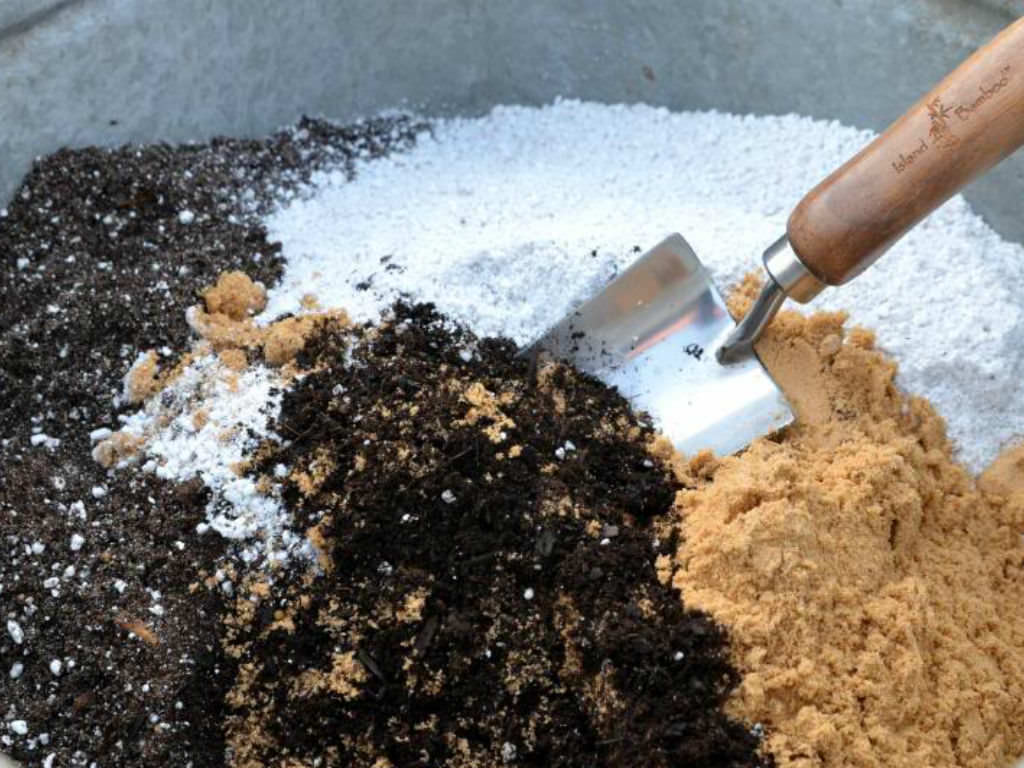
Chicken grit can be effectively integrated into both outdoor gardens and indoor potted plants. For outdoor garden beds, thoroughly mix the grit with the existing soil before planting. When dealing with potted plants, you can blend it with your potting mix or use it as a top dressing. This dual approach provides nutritional benefits while ensuring proper drainage.
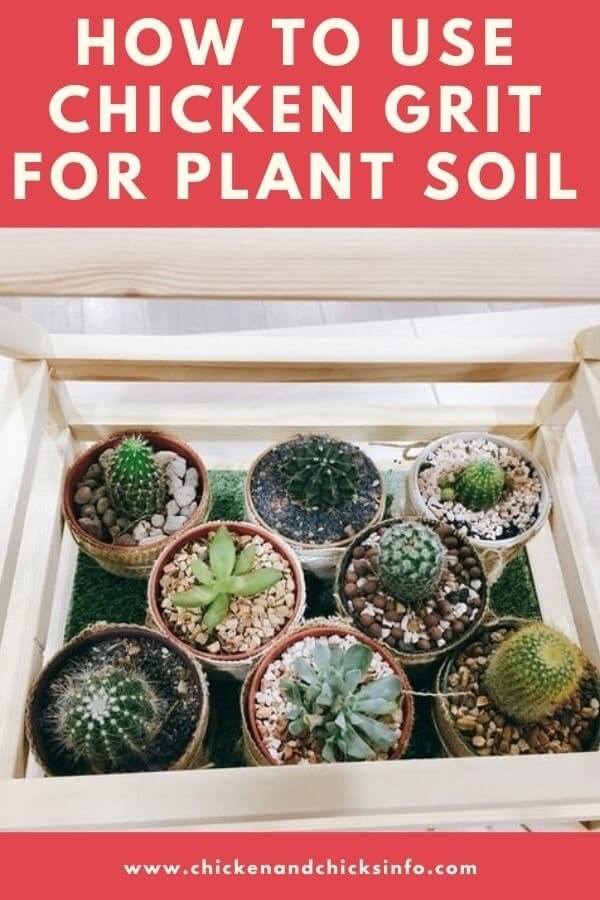
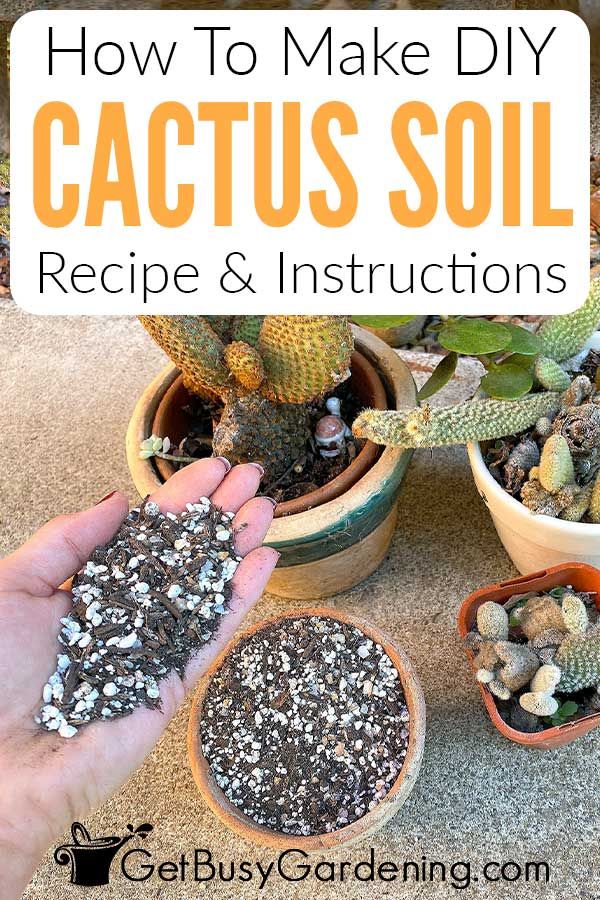
While chicken grit excels in traditional garden settings, it also proves beneficial for other types of plant growth. Utilizing it in cactus or succulent potting mixes can prevent root rot by aiding drainage, making it an essential component for cultivating these drought-resistant plants.
Maintenance: Keeping Your Grit-Enhanced Garden Thriving
Once chicken grit is incorporated into your gardening practice, periodic evaluation ensures its continual efficacy. Observe your plants for signs of nutrient deficiency, such as yellowing leaves or stunted growth, which may indicate a need for additional amendments.
Monitor soil texture and aeration regularly to determine whether the grit maintains its intended purpose. Over time, as organic matter breaks down and soil composition evolves, reapplication of chicken grit may be necessary to retain its beneficial characteristics.
Conclusion: The Holistic Advantages of Chicken Grit for Plant Health
In summary, chicken grit transcends its traditional role as a simple feed additive for poultry. Its myriad benefits in the horticultural world—including enhanced drainage, nutrient content, and pest deterrent properties—make it an indispensable tool for maintaining robust, healthy plants. By adhering to the suggested practices for sourcing and applying chicken grit, gardeners can cultivate thriving landscapes that exhibit resilience, vibrancy, and growth, ultimately fostering a more sustainable ecosystem.
FAQ
What is chicken grit used for in gardening?
Chicken grit is used to improve soil aeration and drainage, provide essential minerals like calcium, and deter pests such as slugs and snails.
Is chicken grit safe for all types of plants?
Generally yes, but it is especially beneficial for plants requiring well-drained soil like cacti and succulents.
How often should chicken grit be reapplied?
Reapplication depends on soil conditions; monitor soil texture and plant health periodically and reapply when soil becomes compacted or nutrient deficient.
Can chicken grit replace fertilizers?
Chicken grit provides minerals like calcium but is not a complete fertilizer; it should be used alongside balanced fertilization.
Where can I buy quality chicken grit for plants?
Purchase from reputable garden centers or suppliers specifically labeling the product as chicken grit suitable for horticulture.

Leave a Reply