
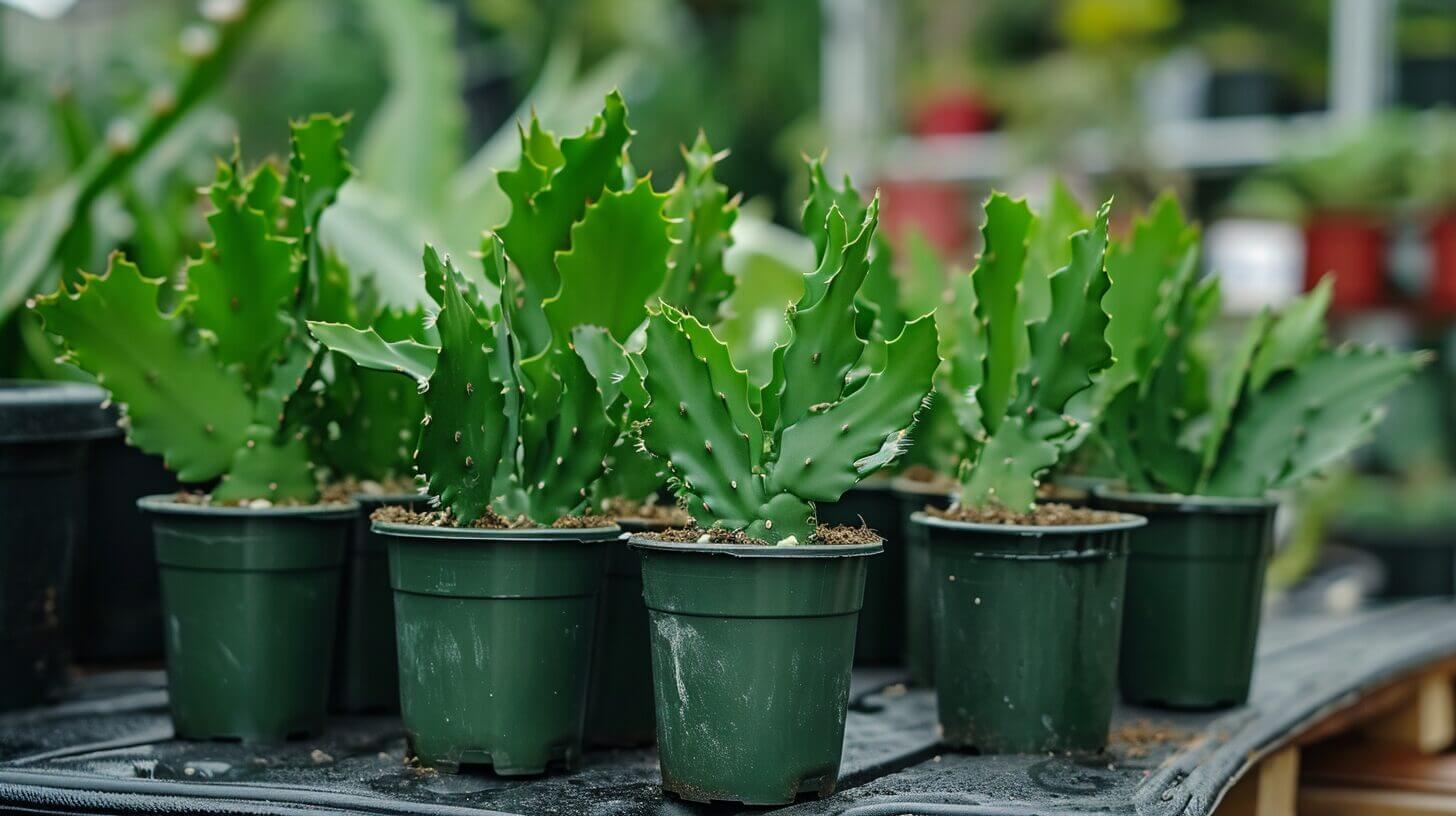
The Christmas cactus, known scientifically as Schlumbergera, possesses a unique charm that has made it a staple in households, particularly during the festive season. Unlike traditional cacti, this evergreen succulent thrives in tropical conditions, bringing a splash of color and cheer as it blooms. Propagating your Christmas cactus through cuttings is not only an invigorating way to expand your indoor garden but also a delightful venture that can foster a deeper connection to this captivating plant. Let us delve into the nuances of Christmas cactus cuttings propagation with a meticulous step-by-step guide.
Understanding the Christmas Cactus: An Intriguing Overview
Before embarking on the propagation journey, it is essential to appreciate the unique characteristics of the Christmas cactus. This plant flourishes in a habitat marked by high humidity and regulated light, which sets it apart from other drought-resistant cacti. The Christmas cactus is typically celebrated for its vibrant blooms that can range from white to deep magenta, invoking the spirit of the season. Unlike its desert counterparts, it features flat, segmented leaves, offering an interesting visual appeal.
It is said that the Christmas cactus derives its name from its propensity to bloom in December, aligning beautifully with holiday gatherings. This specific timing is not merely coincidental; it reflects the plant’s natural growth cycle, triggered by shorter days and lower light conditions. In cultivating new plants through propagation, you can create a sense of continuity and nostalgia that connects past and present. Now, let’s explore how to transition from a single flourishing plant into a thriving collection of colorful cuttings.
Choosing the Right Time for Cuttings: Timing Is Essential
Choosing the optimal time for propagation is critical. The best moment to take cuttings is shortly after the blooming period, typically from late winter to early spring. During this period, the plant is more resilient and ready to produce new growth. Select healthy, vigorous stems that exhibit vibrant coloration, free from any signs of disease, pest infestations, or wilting.
What you seek to harvest are segments of the stems, ideally between two to five segments in length, as these provide sufficient material for rooting while retaining the energy necessary for successful growth. This method not only ensures the longevity of the new plant but also honors the original specimen from which it was taken.
Mastering the Cut: A Crucial Technique
Utilizing a sharp, sterile knife or pair of scissors, make a clean, angular cut to remove the chosen segment from the parent plant. It is vital to avoid crushing or damaging the stem during this process, as this can impede the development of roots. Once the cut has been made, allow the cuttings to dry out for a day or two, called callusing. This phase is essential, as it seals the wound, preventing rot when immersed in soil.
The Ideal Medium for Propagation: A Foundation for Success
Upon callusing, the next pivotal step involves selecting the right substrate for rooting. A well-draining soil mix is paramount, ideally a blend of potting soil and perlite or coarse sand. This mixture allows for adequate airflow and moisture retention without suffocating the roots, an integral balance for healthy growth. Fill a small pot with this mix, making sure to moisten the substrate lightly, ensuring it is moist but not saturated.
Planting the Cuttings: The Art of Deepening Roots
Make a hole in the soil with your finger or a stick, and insert the cutting into the soil, ensuring that at least one segment is buried while keeping the top segment above ground. Gently pat around the base to secure the cutting in place. To maintain high humidity levels, cover the pot with a plastic bag or a clear plastic dome, creating a mini-greenhouse effect. Ensure there are holes for ventilation, minimizing the risk of mold growth while retaining moisture.
Monitoring Progress: The Waiting Game
Your patience will be rewarded over the following weeks as your cuttings begin to establish themselves. Ideally, they will root within a few weeks, at which point you can gradually remove the cover to acclimate them to typical humidity levels. Look for signs of new growth—this visual cue indicates successful propagation.
Transplanting the New Arrival: From Propagation to Independence
Once the new plants have developed a robust root system and exhibit several healthy segments, they can be repotted into larger containers with a rich, well-draining mix. This transition is where the little succulents begin their journey toward maturity. Make a point to place them in a location that offers bright, indirect light, allowing them to thrive and flourish.
Final Thoughts: Cultivating a Legacy of Greenery
Propagating Christmas cactus cuttings is more than just an exercise in plant care; it’s an enriching experience that shall cultivate connections across generations. Each successful propagation can be viewed as a gift that keeps on giving—a vivid reminder of your nurturing capabilities and the joy a plant can bring. As you tend to your new cuttings, remember to provide hydration and nutrients comparable to those enjoyed by the original. Each plant nurtured and cherished can become a treasured part of your home well beyond the holiday season.




Leave a Comment